

Struggling to control appetite while building balanced meals that actively encourage fat loss? Following a structured high-protein diet plan for weight loss allows you to manage hunger cues, preserve lean tissue, and stay satisfied throughout the day. This comprehensive guide breaks down how to select nutrient-dense protein options, calculate your daily intake, and construct a practical weekly plan. Read on.
Quick Answer
- Base Meals Around Protein: Select a rich source such as lean meat, poultry, fish, eggs, dairy, beans, or soy for every meal.
- Integrate High-Fiber Foods: Pair protein with vegetables, fruits, and legumes to increase fullness between eating windows.
- Target Baseline Intake: Aim for approximately 1.6 grams of protein per kilogram of body weight (0.73g per pound) as a starting baseline.
- Manage Caloric Intake: Maintain a caloric deficit while balancing essential carbs, healthy fats, fiber, and micronutrients.
- Distribute Intake Evenly: Spread your daily protein targets across all meals and pair your nutrition with regular resistance training.
Why Protein Matters for Weight Loss
Adopting a high-protein diet plan for weight loss supports hunger management while protecting lean body mass during calorie restriction.
Protein Can Help You Feel Fuller
According to clinical research published by the National Institutes of Health (NIH), consuming protein stimulates satiety hormones such as CCK, PYY, and GLP-1 while reducing hunger signals. Consequently, managing your appetite, curbing unneeded snacking, and maintaining long-term fat loss becomes considerably easier.
Protein Helps Support Muscle During Weight Loss
Weight reduction often involves losing a combination of fat mass and lean muscle tissue. Maintaining a higher protein intake shields metabolic tissue during caloric deficits. Preserving muscle is crucial because lean tissue sustains baseline metabolism, resting energy expenditure, strength, and overall functional mobility.
How to Build a High-Protein Diet Plan for Weight Loss
Constructing a successful high-protein diet plan for weight loss revolves around three foundational pillars:
- Start Each Meal With Protein: Design your plate around quality options such as chicken breast, sirloin, turkey, salmon, lentils, eggs, or tofu.
- Combine With High-Fiber Plant Foods: Integrate leafy greens, berries, cruciferous vegetables, and seeds. Combining fiber with protein slows digestion and maximizes post-meal fullness.
- Control Portions and Total Energy: Monitor overall energy boundaries. Most standard daily plans range between 1,400 to 1,800 calories depending on activity levels, age, and biological sex.
High-Protein Foods to Include for Weight Loss
A balanced high-protein diet plan for weight loss can combine both animal-derived and plant-based protein sources. Guidelines from Harvard Health suggest diversifying protein choices to secure a broad spectrum of micronutrients and amino acids.

Animal-Based Protein Sources
- Lean Meats & Poultry: Skinless chicken breast, ground turkey, pork loin, and lean beef supply complete amino acids alongside bioavailable iron and zinc.
- Seafood: Salmon, tuna, trout, mackerel, and cod offer dense protein along with essential omega-3 fatty acids.
- Dairy & Eggs: Greek yogurt, cottage cheese, kefir, low-fat milk, and whole eggs deliver high-quality protein, calcium, and key vitamins.
Plant-Based Protein Sources
- Legumes & Beans: Lentils, chickpeas, black beans, edamame, and split peas supply protein, complex carbohydrates, and soluble fiber.
- Nuts & Seeds: Almonds, walnuts, chia seeds, pumpkin seeds, and hemp hearts offer healthy fats alongside protein.
- Soy & Pseudograins: Tofu, tempeh, and quinoa serve as complete plant-based proteins containing all nine essential amino acids.
Sample High-Protein Diet Plan for Weight Loss
Here is a practical 7-day meal structure designed to illustrate how to distribute protein evenly throughout the week:
- Day 1: Scrambled eggs with steak strips (45g protein); grilled chicken thighs with roasted broccoli (50g); baked salmon with asparagus and parmesan (45g).
- Day 2: Unsweetened Greek yogurt with chia seeds and berries (35g); beef patties with sliced avocado (55g); slow-cooked beef roast (50g).
- Day 3: Cheddar cheese and ground beef omelet (45g); tuna salad with olive oil and cucumber (40g); seared pork chops with green beans (50g).
- Day 4: Crisp bacon and eggs (40g); grilled salmon over mixed greens (45g); ribeye steak with sautéed mushrooms (60g).
- Day 5: Whey protein isolate smoothie with spinach (40g); grilled chicken breast with sweet potato (50g); lean ground beef with scrambled eggs (55g).
- Day 6: Poached eggs with turkey sausage (35g); grilled shrimp bowl with avocado (40g); roasted lamb chops with zucchini (55g).
- Day 7: Seared steak and eggs (55g); turkey lettuce wraps with peanut dressing (40g); baked cod with butter and steamed broccoli (45g).
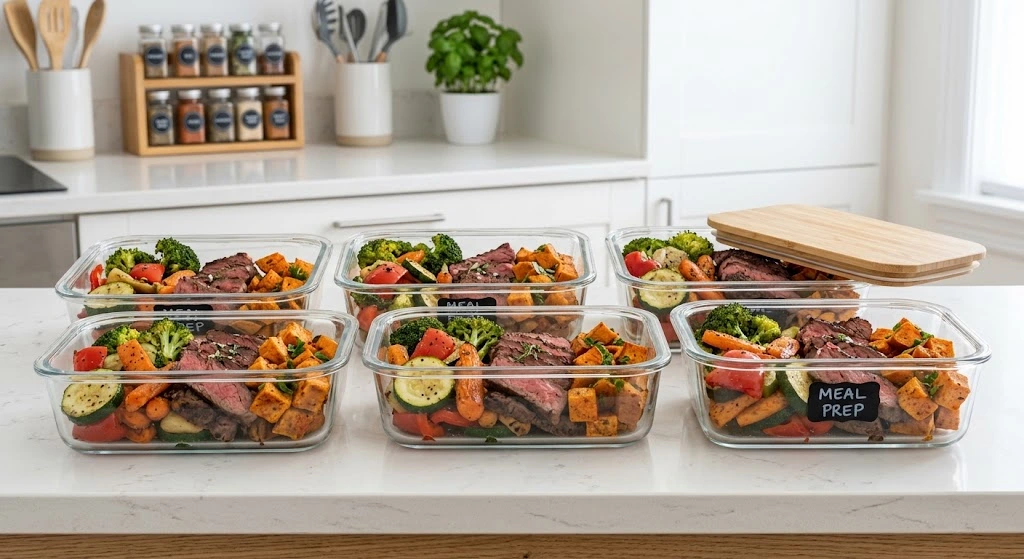
How Much Protein Should You Eat for Weight Loss?
When executing a high-protein diet plan for weight loss, a target of 1.6 grams of protein per kilogram of body mass (roughly 0.73g per pound) serves as an evidence-based baseline. Expert evaluations from the Academy of Nutrition and Dietetics confirm that this threshold optimizes lean tissue retention during fat loss phases.
Here is what that target looks like based on body weight:
- 150 lbs (68 kg): Approximately 110 grams of protein daily.
- 180 lbs (81 kg): Approximately 130 grams of protein daily.
- 200 lbs (90 kg): Approximately 145 grams of protein daily.
Common Mistakes to Avoid on a High-Protein Diet
To ensure your high-protein diet plan for weight loss produces continuous progress without adverse health effects, avoid these frequent missteps:
- Choosing Processed Meat Options: Avoid heavy reliance on ultra-processed options high in saturated fats, sodium, and chemical nitrates. Choose fresh whole foods like chicken, eggs, fish, and legumes.
- Eliminating Carbohydrates Completely: Carbs provide vital fiber, antioxidants, and energy for exercise performance. Keep nutrient-dense carb sources in your routine.
- Consuming All Protein in One Meal: Spreading protein intake across 3 to 4 distinct meals optimizes muscle protein synthesis far better than a single large dinner.
- Neglecting Hydration Needs: Increased protein consumption elevates urea production. Drink plenty of water daily to support kidney filtration and prevent digestive sluggishness.
- Omitting Strength Training: Pair your diet with at least two weekly resistance training sessions to encourage your body to hold onto muscle mass.
Frequently Asked Questions
1. Can I mix animal and plant protein sources in the same diet?
Yes. Combining lean meats, seafood, eggs, dairy, beans, lentils, tofu, nuts, and seeds provides a diverse nutrient profile and supports satiety.
2. What should I do if I want a higher-calorie version of the plan?
You can scale calories up to 1,800 or 2,000 calories by adding healthy fat and carb sources, such as extra nuts, chia seeds, avocados, or whole milk smoothies.
3. Is a high-protein diet plan for weight loss meant to remove carbohydrates?
No. Carbohydrates supply essential dietary fiber, antioxidants, and glycogen required for physical exercise.
4. Does every meal need to contain the exact same amount of protein?
No. Meals can vary in protein density; some meals may contain 35 grams while main meals contain up to 55-60 grams.
5. Can my daily protein target change over time?
Yes. Protein demands vary based on body composition changes, age, training intensity, and overall energy deficit goals.