
If you want to learn how to lose weight without exercise, focusing on smart dietary adjustments, beverage choices, and portion awareness can yield steady progress. Establishing a manageable caloric deficit through daily nutrition allows you to manage body mass without requiring intense workouts. In this complete guide, you will discover practical eating strategies, simple food swaps, and lifestyle habits that support long-term weight management. Read on.
Quick Answer
- Create a Moderate Deficit: Emphasize home-cooked meals, minimize liquid calories, and cut back on calorie-dense ultra-processed items.
- Prioritize Protein and Fiber: Fill your plate with lean meats, eggs, fish, legumes, vegetables, and whole grains to boost satiety and keep hunger managed.
- Practice Portion Control: Enjoy your favorite meals by using smaller dishware, slowing down your eating pace, and listening to natural fullness cues.
- Make Smart Food Swaps: Replace sugary drinks, fried items, heavy condiments, and refined snacks with nutrient-dense, lower-calorie options.
- Support Metabolism via Lifestyle: Prioritize 7 to 9 hours of nightly sleep, manage daily stress, and stay adequately hydrated.
How to Lose Weight Without Exercise by Adjusting Your Diet
When learning how to lose weight without exercise, your primary focus revolves around three main pillars: creating a manageable caloric shortfall, choosing highly satisfying foods, and controlling portions without feeling restricted.
1. Create a Moderate Caloric Deficit
Lowering overall energy intake relative to daily output is the underlying driver of weight loss. Replacing prepackaged meals, fast food, and high-sugar beverages—such as sodas, sweetened teas, and commercial coffees—with plain water and home-cooked dishes provides an immediate reduction in daily calories.
2. Choose Foods That Enhance Fullness
Incorporate foods that combine high protein density with dietary fiber. Lean meats, eggs, seafood, and dairy deliver protein, while vegetables, berries, legumes, seeds, and whole grains provide essential fiber. According to clinical guidelines from the Academy of Nutrition and Dietetics, structuring meals around protein and fiber controls appetite without forcing extreme food bans.
3. Control Portions Without Removing Favorite Foods
You do not need to eliminate favorite dishes completely. Switch to medium-sized plates instead of oversized serving platters. Practicing mindful eating—such as placing your fork down between bites and slowing your pace—allows your brain enough time to register fullness signals.
Eat More Protein and Fiber to Manage Hunger
Discovering how to lose weight without exercise requires building meals that naturally curb appetite. Combining adequate protein with rich fiber sources keeps energy levels stable throughout the day.
Include Protein Across Every Meal
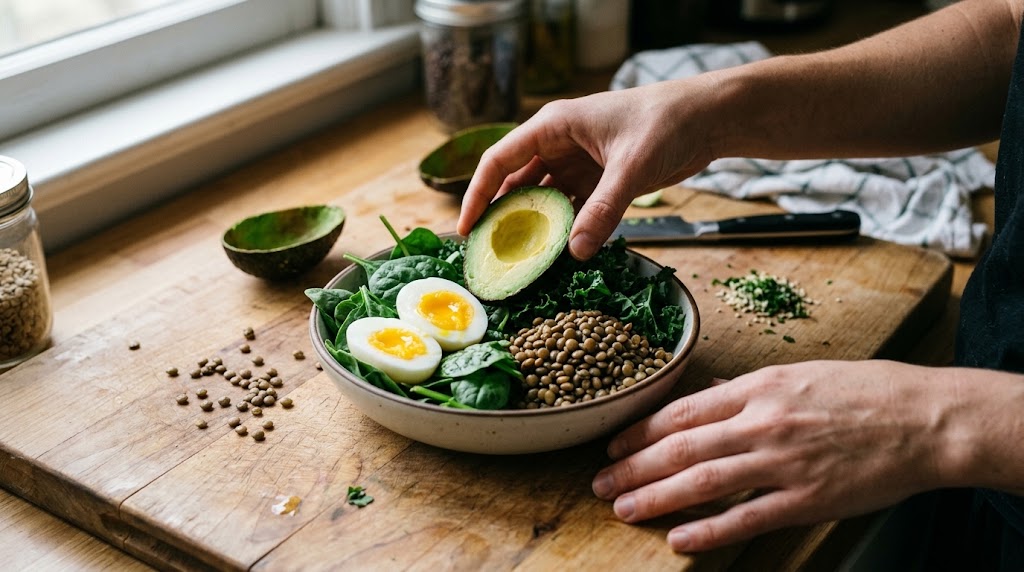
Distribute protein intake evenly across breakfast, lunch, dinner, and snacks rather than consuming it all in one sitting. Use a balanced mix of animal and plant-based protein sources to maintain lean muscle tissue while reducing total calories.
Why Fiber Regulates Appetite
Dietary fiber adds physical volume to your digestive tract without adding excess calories. Insoluble fiber aids digestive regularity, while soluble fiber forms a gel-like substance that slows gastric emptying. Fiber fermentation in the gut generates short-chain fatty acids, stimulating natural satiety hormones like GLP-1 and PYY. Research indexed by the National Institutes of Health (NIH) highlights that high-fiber diets also flatten post-meal blood sugar spikes.
How to Increase Fiber Safely
Gradually introduce oats, lentils, chia seeds, berries, and cruciferous vegetables into your daily menu. Increase fiber intake slowly over several days while drinking plenty of fluids to avoid temporary digestive discomfort or bloating.
Reduce Calories From Drinks and High-Calorie Foods
Managing liquid calories and heavy condiments is one of the most effective methods when figuring out how to lose weight without exercise.
Replace Sugary Drinks with Zero-Calorie Options
- Swap 16-ounce sweetened sodas (which pack roughly 200 calories and 44 grams of sugar) for plain, infused, or sparkling water.
- Drink black coffee or tea unsweetened to save approximately 16 calories per teaspoon of added sugar.
- Limit commercial fruit juices, pre-made smoothies, and high-calorie alcoholic beverages.

Watch High-Calorie Sauces and Cooking Oils
- Rethink Condiments: Single tablespoon servings of mayonnaise add around 57 extra calories. Opt for mustard, salsa, or lemon juice instead.
- Choose Tomato over Cream: Select tomato-based pasta sauces instead of heavy cream or cheese sauces.
- Trim Extra Fats: Choose skinless chicken breast (142 calories) over skin-on options (193 calories).
- Modify Cooking Techniques: Replace deep frying in oil with air-frying, steaming, grilling, poaching, or baking.
Build Simple Eating Habits That Support Weight Loss
Adopting sustainable behavioral shifts around the kitchen makes it easy to understand how to lose weight without exercise on a long-term basis.
Eat Mindfully and Recognize Fullness
Chew food thoroughly, turn off televisions or smartphones during mealtime, and savor distinct flavor profiles. This intentional eating approach helps prevent unintentional overeating and aids healthy digestion.
Plan Meals and Keep Balanced Foods Available
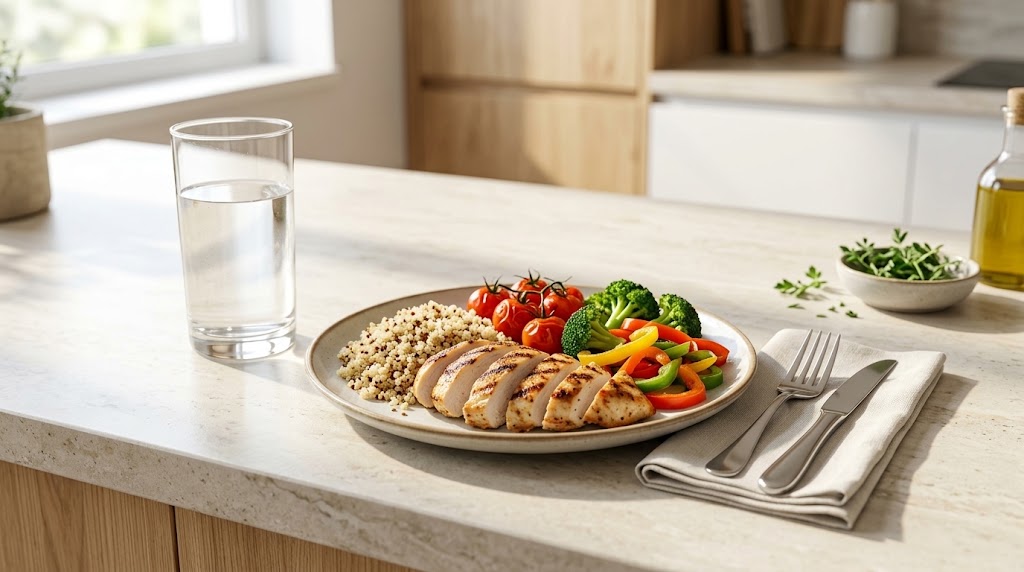
Build balanced plates featuring lean protein, whole grains, and colorful vegetables—such as grilled chicken with quinoa, lentil soup with whole-grain bread, or salmon with roasted spinach. Keeping nutritious foods visible in your fridge encourages healthier snacking choices over ultra-processed junk food.
Sleep, Stress, and Other Factors That Affect Weight
Systemic lifestyle factors heavily influence daily energy balance behind the scenes, playing a crucial role when applying strategies on how to lose weight without exercise.

The Consequences of Sleep Deprivation
Adults aged 18 to 64 require 7 to 9 hours of quality sleep nightly. Skimping on sleep alters ghrelin and leptin levels, driving up appetite and causing late-night cravings for calorie-dense foods.
Managing Stress and Underlying Health Conditions
Chronic psychological stress elevates cortisol production, promoting abdominal fat storage and emotional eating. Additionally, conditions like hypothyroidism, polycystic ovary syndrome (PCOS), or insulin resistance can affect metabolic rate. Guidance from Harvard Health indicates that addressing sleep, stress, and underlying hormone health is essential for overall progress.
Can You Lose Weight Without Exercise Long Term?
Yes, long-term weight maintenance without formal workouts is achievable through disciplined dietary management. While food intake dictates overall body weight, adding simple physical activity later—such as a daily 20-minute walk—can support metabolic stability.
Studies from the National Weight Control Registry show that a large percentage of long-term maintainers eventually incorporate daily step goals. For those exploring how to calculate calorie deficit for fat loss, combining smart meal choices with light movement provides a sustainable long-term health foundation.
Frequently Asked Questions
1. Can I still eat my favorite foods while losing weight without exercise?
Yes. You do not need to ban specific foods completely. Manage portion sizes carefully and pair treats alongside high-protein or high-fiber foods to remain within your daily caloric target.
2. How can I make healthy nutrition easier to follow?
Prepare meals ahead of time, keep fruit and vegetables easily accessible, and rely on simple food swaps rather than drastic restrictive diets.
3. What should I do if adding fiber causes digestive discomfort?
Increase your fiber intake gradually over a few weeks and drink plenty of water throughout the day to support smooth digestion.
4. Does high stress cause weight gain even if food intake is constant?
Chronic stress elevates cortisol levels, which can promote fluid retention, alter fat distribution, and trigger subtle unrecorded snacking habits.
5. Is it beneficial to add simple movement later on?
Yes. While nutrition manages weight loss, adding light activities like walking or basic beginner bodyweight exercises helps preserve lean muscle mass over time.