
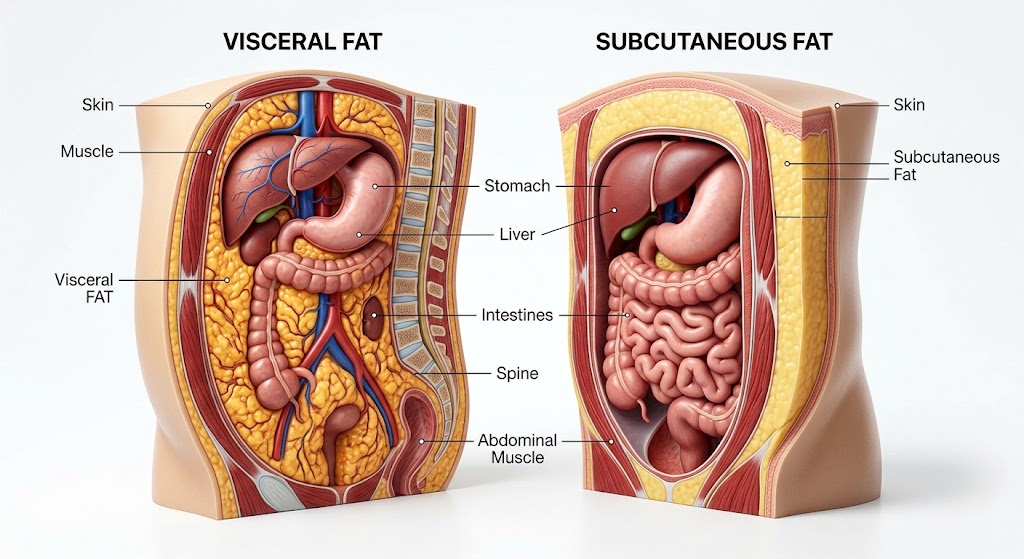
A firm, protruding midsection or stubborn soft tissue around your waistline can make it challenging to understand which type of body fat you are carrying. Fortunately, implementing targeted changes to your nutrition, exercise habits, sleep quality, and stress levels can effectively reduce deep abdominal fat. In this guide, we break down visceral fat vs subcutaneous fat, highlight key health risks, and show you how to reduce visceral fat while maintaining lean muscle mass. Read on.
Quick Answer
- Storage Depth: Visceral fat lodges deep inside your abdominal cavity surrounding vital organs, whereas subcutaneous fat sits directly beneath your skin layer.
- Health Impact: Excess visceral fat poses significant health risks, increasing your chances of developing heart disease, type 2 diabetes, elevated cholesterol, and atherosclerosis.
- Detection Methods: You can assess deep belly fat using visual belly checks, waist circumference measurements, waist-to-hip ratios, or advanced imaging scans.
- Dietary Adjustments: Adopting a whole-food diet low in added sugars and refined carbohydrates helps accelerate deep fat loss.
- Effective Habits: Combining brisk walking with progressive resistance training, quality sleep, and active stress management effectively burns organ fat while preserving muscle.
What Is Visceral Fat?
In the debate over visceral fat vs subcutaneous fat, visceral fat represents the deeper, metabolically active fat stored inside the abdominal and thoracic cavities. It directly coats and cushions essential internal organs, including the heart, liver, kidneys, pancreas, and intestines.
While every individual requires a baseline amount of visceral fat for organ cushioning, carrying excessive amounts creates severe health complications. Known as “active fat,” visceral fat cells continuously secrete inflammatory cytokines and hormones that interfere with normal metabolic function.
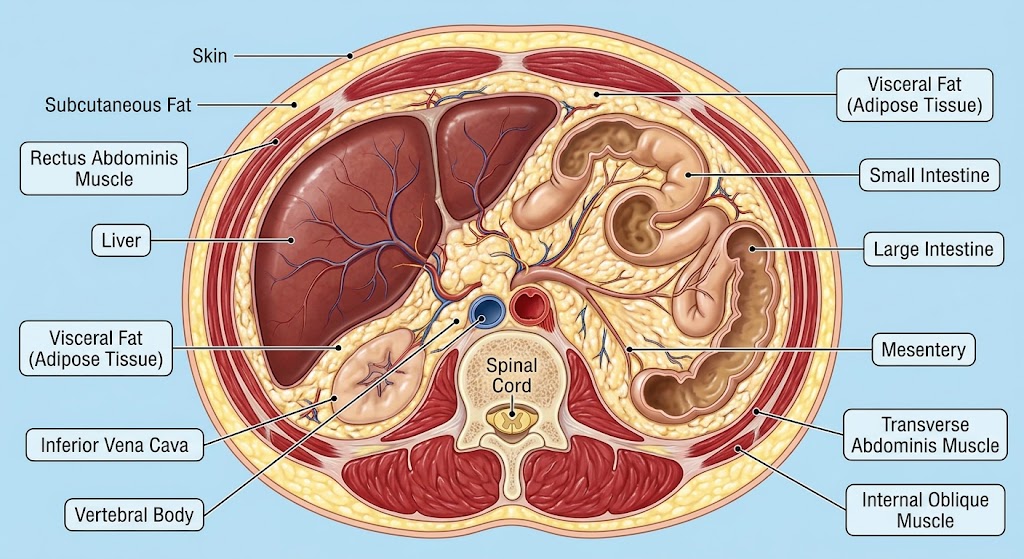
Where Is Visceral Fat Stored?
Visceral fat accumulates deep within your trunk cavity, surrounding critical digestive and cardiovascular structures:
- Heart and kidneys
- Liver, gallbladder, and stomach
- Pancreas, intestines, and mesentery
Why Is Visceral Fat a Serious Health Concern?
Carrying excess visceral fat is strongly linked to chronic metabolic and cardiovascular diseases. According to cardiovascular data from the American Heart Association, deep abdominal fat increases systemic inflammation and arterial plaque accumulation.
Excess visceral fat increases the risk for several key conditions:
- Type 2 diabetes and severe insulin resistance
- High cholesterol and elevated blood pressure
- Atherosclerosis and coronary artery disease
- Endocrine metabolic disorders, including hypothyroidism and metabolic dysfunction-associated steatohepatitis (MASH)
What Is Subcutaneous Fat?
Understanding visceral fat vs subcutaneous fat requires looking closely at how the outer layer of fat protects and supports bodily functions.
Where Is Subcutaneous Fat Stored?
Subcutaneous fat lies directly beneath the skin inside the hypodermis layer. Composed of adipocytes, connective tissue, blood vessels, and nerves, it makes up roughly 90% of total body fat. You can easily pinch this soft fat around your abdomen, thighs, arms, and hips.
What Does Subcutaneous Fat Do?
- Energy Reserve: It stores surplus energy for long-term physiological demands, preventing toxic fat accumulation inside internal organs.
- Physical Protection: It acts as a protective buffer, cushioning bones, muscles, and joint structures against external impacts.
- Thermal Regulation: It functions as natural insulation, reducing heat loss and maintaining core body temperature.
- Hormonal Support: It releases crucial signaling hormones like leptin (appetite regulation) and adiponectin (insulin sensitivity improvement).
Visceral Fat vs Subcutaneous Fat: Key Differences Table
| Feature | Subcutaneous Fat | Visceral Fat |
|---|---|---|
| Primary Location | Stored directly beneath the skin layer | Located deep within the abdomen around organs |
| Proportion of Body Fat | Makes up roughly 90% of total body fat | Accounts for roughly 10% of total body fat |
| Metabolic Profile | Passive energy store & temperature regulator | Highly active fat that secretes inflammatory markers |
| Health Risk Level | Lower overall metabolic health risk | High risk for heart disease, diabetes & hypertension |
How to Tell Whether You Have Visceral or Subcutaneous Fat
Determining your fat distribution when evaluating visceral fat vs subcutaneous fat can be done through quick physical checks or clinical testing.
The Pinch Test vs Hard Belly Appearance
Relax your abdominal muscles and gently pinch the skin around your navel. If you can grab a soft fold of tissue between your fingers, you are holding subcutaneous fat. Conversely, a firm, hard, protruding abdomen that resists pinching indicates significant visceral fat accumulation underneath the muscle wall.
Measuring Visceral Fat Accurately
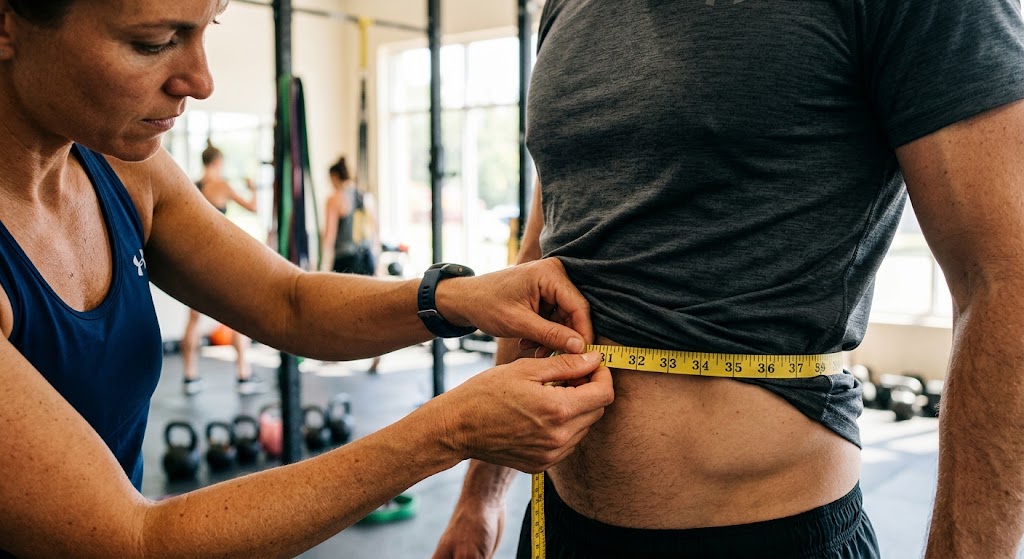
- Waist Circumference: A waist measurement exceeding 35 inches for women or 40 inches for men signals elevated visceral fat risks.
- Waist-to-Hip Ratio: Measure your waist at its narrowest point and your hips at their widest point. Divide waist by hip measurement. A ratio above 0.80 for women or 0.90 for men indicates higher visceral fat risk.
- Clinical Imaging Scans: Advanced DXA scans and MRI imaging provide pinpoint accuracy regarding internal organ fat distribution.
How to Reduce Visceral and Subcutaneous Fat
Losing visceral fat is often faster than losing subcutaneous fat because visceral fat is more sensitive to exercise and calorie changes. Combining smart nutrition with healthy habits yields rapid metabolic improvements.
1. Follow a Sustainable Caloric Deficit
Eliminate refined sugars and processed carbohydrates to keep baseline insulin levels low. Check our detailed guide on how to calculate calorie deficit for fat loss to structure your target food intake accurately.
2. Combine Aerobic Exercise With Resistance Training
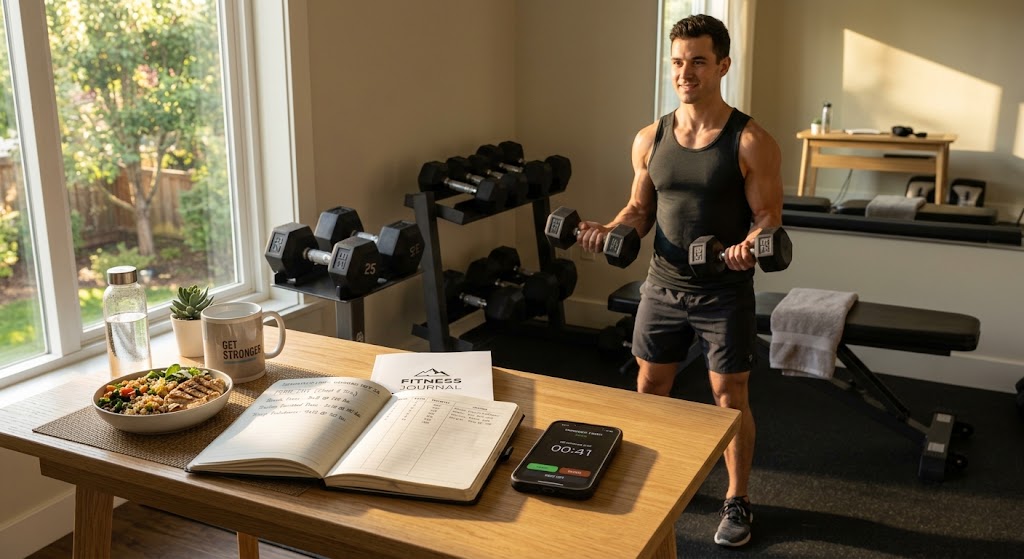
Brisk walking, cycling, or swimming burns deep visceral calories efficiently. Pairing cardio with beginner strength training routines builds metabolically active muscle, boosting resting metabolic rate and improving long-term insulin sensitivity.
3. Optimize Daily Movement and Nutrition
Incorporating daily walks helps maintain a high energy expenditure. Learn how three 10 minute walks vs one 30 minute walk can fit your daily schedule while keeping hunger under control with high-protein meal options.
4. Manage Stress and Improve Sleep Quality
Chronic psychological stress elevates cortisol levels, directly driving fat storage toward abdominal organs. Furthermore, sleeping less than 6 hours a night increases appetite hormones and accelerates visceral fat accumulation.
Frequently Asked Questions
1. Visceral Fat vs Subcutaneous Fat: Which is more dangerous?
Visceral fat is significantly more dangerous because it actively releases inflammatory markers and fatty acids directly into organ pathways, increasing risks for cardiovascular disease and type 2 diabetes.
2. Is visceral fat easier or harder to lose than subcutaneous fat?
Visceral fat is actually more metabolically active and tends to burn faster than subcutaneous fat when you adopt a proper diet and exercise routine.
3. Does walking help reduce visceral fat?
Yes. Regular brisk walking meaningfully reduces deep visceral fat, even when overall scale weight changes remain modest.
4. Can thin or skinny people have high levels of visceral fat?
Yes. Individuals who appear thin externally can store significant visceral fat around internal organs if they lead a sedentary lifestyle and consume a high-sugar diet (often referred to as TOFI: Thin Outside, Fat Inside).
5. How can I lose visceral fat without losing muscle mass?
Maintain a moderate caloric deficit, consume adequate daily protein, and engage in progressive resistance training twice weekly to protect lean muscle tissue while losing fat.