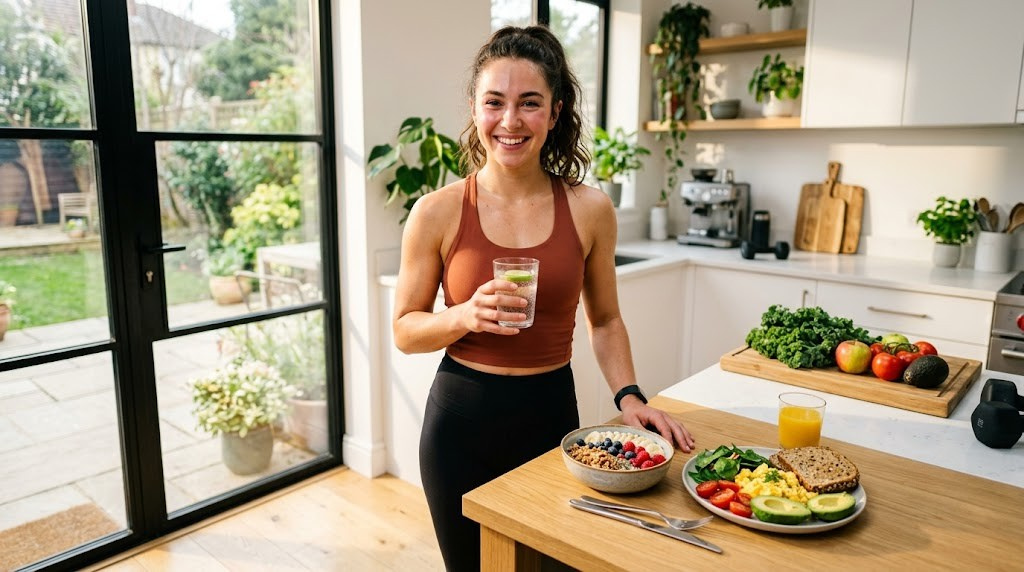
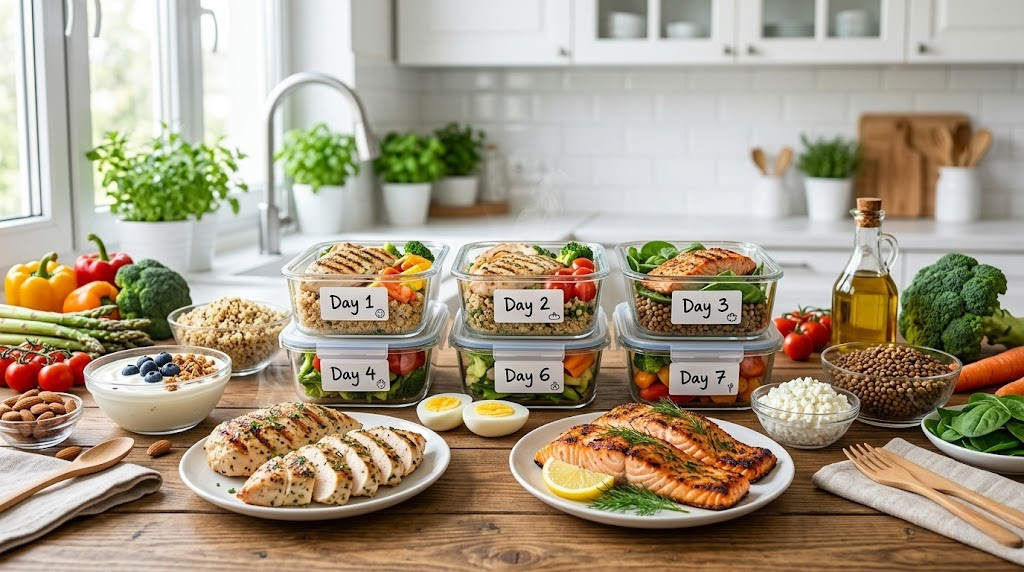
During weight loss, it’s essential to keep your lean muscle tissue intact while you burn fat. The easiest way to achieve this is to consume more protein. If you’re looking for more healthy eating and weight management tips, check out our resources on ShredSmartly. In this article, we will give you a complete 7-Day High-Protein Meal Plan for Weight Loss. Read on.
Quick Answer
- The need for protein varies from person to person. It depends on your age, weight, sex, and activity level. So make sure your diet is tailored according to your specific needs.
- Proteins are available in a wide variety of foods; there are proteins in lean meats, seafood, dairy products, and vegetables. Mix a variety of proteins in your food.
- Do grocery shopping and prep your meals in advance. Ideally, cook food in batches, like keeping ready-to-use chopped vegetables and chicken.
What Is a High-Protein Diet?
You can say a diet is high in protein when it contains a higher protein concentration than is generally recommended. Ideally, people trying to lose weight consume more than 0.8 grams of protein per kg of their body weight.
How Protein Helps with Weight Loss
Here is a breakdown of how protein helps you with weight loss.
- Eating more protein triggers the release of GLP-1 and CCK hormones that tell your brain that you are full. At the same time, it reduces levels of the ghrelin hormone that makes you feel hungry.
- Your body burns energy when it processes food; this process is known as “the thermic effect of food.” Digesting protein burns more calories compared to carbohydrates or fats. It means you burn overall more calories when you are on a high-protein diet.
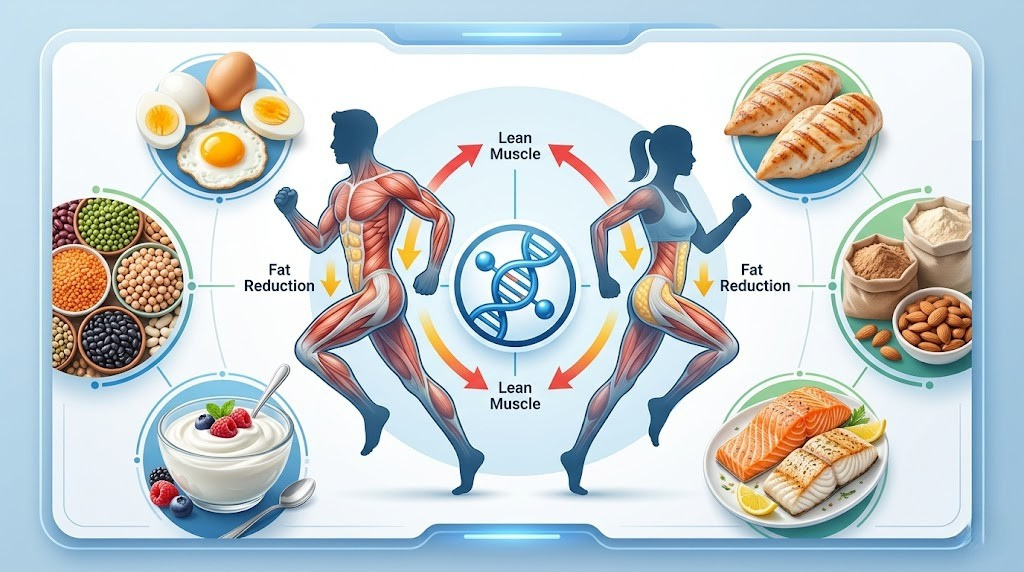
- Protein helps you protect your lean muscle mass. This ensures that while you are losing weight, the loss only comes from fat loss.
Ideal Protein Concentration for Weight Loss
If you want to enhance the progress of your weight loss journey. You should consume around 1.6 to 2.2 grams of protein per kilogram of your body weight. If you exercise heavily or lift weights, you should increase the protein consumption to 2.2 and 3.4 grams per kilogram of body weight.
Factors That Affect Protein Needs
When calculating how much protein you need, there are a few things you should keep in mind.
- If your body mass index is above 30, you should adjust your protein consumption based on your weight loss goals instead of your current weight.
- Your goal should be preserving your lean muscle while burning excess fat. To achieve this goal, you should be targeting 1.6 grams of protein per kilogram.
- Feeling full throughout the day is necessary because it helps you stick to your diet plan. Consuming between 1.8 and 2.9 grams of protein per kilogram can help you achieve that goal.
7-Day High-Protein Meal Plan for Weight Loss
| Day | Meal | Food Items | Protein |
| Day 1 | Breakfast | 1 cup plain non-fat Greek yogurt, ½ cup blueberries, 2 tbsp hemp seeds | ~26g |
| Lunch | 5 oz grilled chicken breast, baby spinach, cucumber, 1 tbsp lemon-tahini dressing | ~42g | |
| Dinner | 5 oz baked salmon, roasted asparagus, ½ cup cooked quinoa | ~34g | |
| Snack | 1 large hard-boiled egg | ~6g | |
| Day 2: | Breakfast | 2 whole eggs + 3 egg whites scrambled, 1 cup sautéed kale | ~24g |
| Lunch | 5 oz deli turkey breast, ½ avocado, romaine lettuce leaves | ~26g | |
| Dinner | 5 oz lean ground beef taco bowl, cauliflower rice, black beans, salsa | ~32g | |
| Snack | ½ cup low-fat cottage cheese | ~14g | |
| Day 3: | Breakfast | Protein smoothie (protein powder, almond milk, almond butter, spinach) | ~30g |
| Lunch | 5 oz canned tuna, Greek yogurt, cucumber slices | ~38g | |
| Dinner | 6 oz grilled shrimp stir-fry, broccoli, bell peppers, zucchini noodles | ~36g | |
| Snack | ½ cup steamed edamame | ~9g | |
| Day 4: | Breakfast | Overnight oats with high-protein milk and chia seeds | ~20g |
| Lunch | 1.5 cups lentil soup, 1 oz turkey jerky | ~24g | |
| Dinner | 5 oz pork tenderloin, mashed cauliflower, green beans | ~34g | |
| Snack | 1 part-skim mozzarella string cheese | ~7g | |
| Day 5: | Breakfast | Smoked salmon, sprouted toast, Greek yogurt cream cheese | ~22g |
| Lunch | Quinoa, black bean salad (add chicken, optional for a boost) | ~15g (or ~40g with chicken) | |
| Dinner | Chicken chili (or tofu), beans, tomatoes, Greek yogurt topping | ~35g | |
| Snack | Apple with peanut butter | ~4g | |
| Day 6: | Breakfast | Egg omelet with mushrooms and feta cheese | ~24g |
| Lunch | Grilled chicken Caesar salad | ~42g | |
| Dinner | Baked cod/tilapia, roasted Brussels sprouts | ~36g | |
| Snack | Dry-roasted edamame | ~13g | |
| Day 7: | Breakfast | Egg muffins (egg + turkey sausage + spinach) | ~20g |
| Lunch | Chicken breast skewers with peanut butter-lime sauce | ~45g | |
| Dinner | Lean sirloin steak, grilled zucchini, sweet potato | ~36g | |
| Snack | Almonds + sharp cheddar cheese | ~10g |
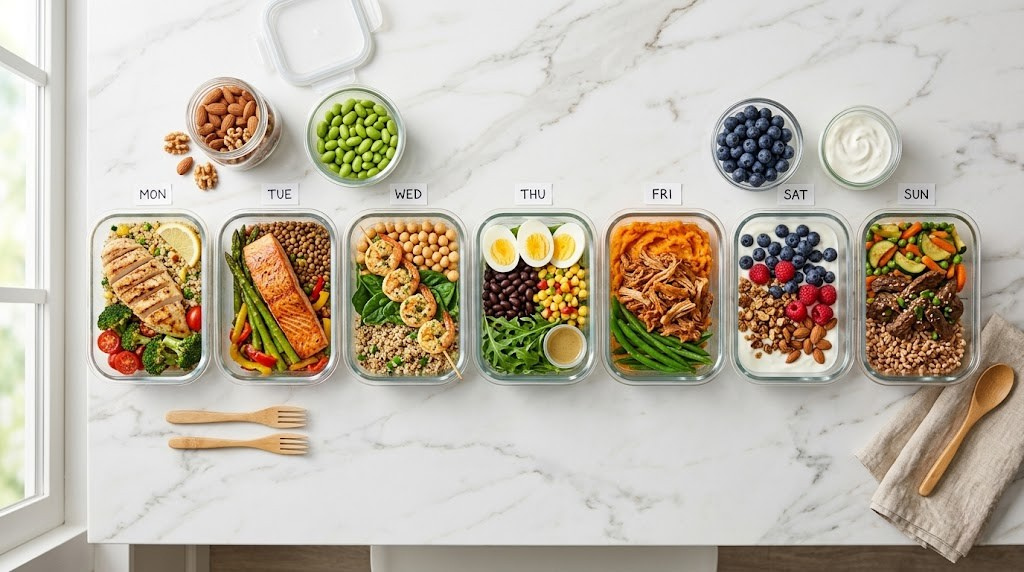
Best Protein Sources for Weight Loss
Below you will find a list of foods that are rich sources of protein.
Lean Meats and Seafood
- Chicken Breast
- Turkey Breast
- Tuna
- Salmon
- Lean Beef
Dairy and Eggs
- Eggs
- Greek Yogurt
- Cottage Cheese
Plant-Based Options
- Lentils
- Soybeans
Common Mistakes to Avoid on a High-Protein Diet
If you feel like your hard work isn’t paying off, one of these common mistakes might be the culprit.
1. Missing Breakfast Proteins
Instead of munching on cereal, toast, or fruit in the morning, choose a protein-rich breakfast like eggs, Greek yogurt, or chicken.
2. Saving Protein for one meal
Instead of saving your protein for the evening meal, spread your protein intake evenly across all your meals.
3. Choosing Low Quality
Not all protein sources are the same. Lean meats like seafood and dairy provide the highest quality of protein. Plant-based proteins like tofu and legumes are also excellent. Avoid using low-quality protein shakes or bars that have added sugars or fillers.
4. Forgetting About Balance
Protein is a team player. It works best when paired with fiber, healthy fats, and carbohydrates. The goal is to build well-rounded plates, not to replace other healthy foods entirely.
5. Over-reliance on a Single Source
Rotate your protein choices, swap chicken for salmon, and try different beans in your meals.
FAQs
1. How much protein should I eat daily to lose weight?
Most people aiming for weight loss should consume around 1.6 to 2.2 grams of protein per kilogram of body weight. If you do strength training or intense workouts, the range can go higher.
2. Can I lose weight just by eating more protein?
Not by protein alone. Protein helps, but weight loss still depends on overall calorie balance, food quality, and consistency in your diet and activity level.
3. Can I follow this 7-day meal plan long term?
You can repeat it or use it as a template, but it’s better to rotate foods to avoid monotony and ensure you’re getting a wide range of nutrients.
4. Do I need protein shakes for this meal plan?
Not necessarily. Whole food sources are enough. Protein shakes are optional and mainly useful if you struggle to meet your daily protein target.
5. What mistakes should I avoid on a high-protein diet?
Common mistakes include skipping protein at breakfast, relying on one protein source, ignoring balance with fiber and carbs, and choosing low-quality processed protein foods.