

Quick Answer
- As an adult, you should consume at least 0.54 grams of protein daily per pound of your body weight.
- Consuming protein-rich foods makes you feel fuller for longer. This helps avoid cravings that lead to overeating.
- It’s essential to consume enough protein to avoid losing muscle tissue during your weight loss journey.
- High protein diet makes your metabolism faster, which helps you burn fat fast.
- Protein needs vary from person to person. You should discuss with your doctor your daily protein needs before following any advice online.
Role of Protein In Fat Loss
Protein is super important during your weight loss journey. Here is the breakdown of why protein is so effective, based on the research:
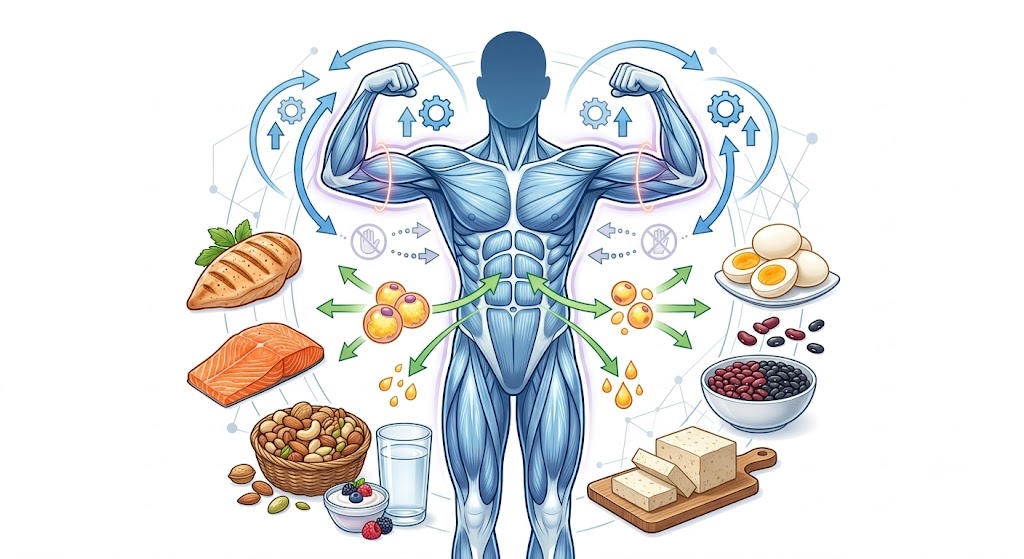
- Protein helps lower the hunger hormone ghrelin while increasing hormones that make you feel satiated.
- Your body uses energy to process food; this is called the thermic effect. It takes more energy to break down protein and digest it. Hence, your body ends up burning more calories.
- Protein prevents muscle loss, which can happen during weight loss.
How to Calculate Your Daily Protein Requirements
It might seem complicated to figure out how much protein you actually need. However, it’s actually very simple; it just depends on your weight loss goals and level of daily activity. Below you will find a breakdown.
Protein Intake Based on Body Weight
If you are a highly active individual, it is recommended that you consume a higher range of protein to compensate for your daily activity. The recommended range is 1.2 to 1.7 grams of protein per kilogram of body weight daily.
To use this formula:
- Divide your weight in pounds by 2.2 to convert it to kilograms.
- Multiply that number by 1.2 to 1.7 to find your daily range in grams.
- Alternatively, you can use the following link to calculate nutrients according to your needs.
If you are not highly active, you should consume the lower end of the range recommended above.
Examples of Daily Protein Targets
The table below displays protein according to body weight.
| Body Weight | Minimum Protein | Maximum Protein |
| 100 lb (45 kg) | 54 g | 77 g |
| 150 lb (68 kg) | 82 g | 116 g |
| 200 lb (91 kg) | 109 g | 155 g |
| 250 lb (113 kg) | 136 g | 192 g |
Best Sources of Protein for Fat Loss
Protein can slow down the hunger pangs and keep you steady on your weight loss goals. Below you will find several protein-rich foods.
High-Protein Animal-Based Foods
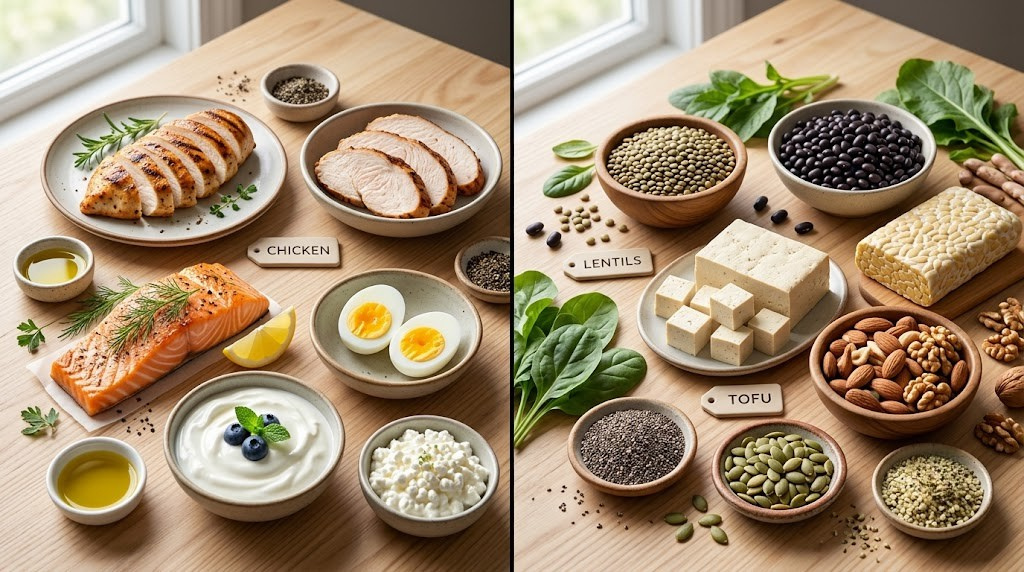
All meats are excellent sources of protein. Skinless chicken and turkey are ideal because they are low in fat and high in protein. Similarly, red meat labeled “loin” or “round” has a low cholesterol level. Fish provides omega-3 nutrients along with protein. Dairy products like eggs, yogurt, and cottage cheese are also excellent sources of protein.
High-Protein Plant-Based Foods
Plant-based foods offer fiber as well as protein. Beans and lentils are an ideal source of protein. Nuts and seeds like walnuts and almonds are perfect for snacking. Combine this with tofu and tempeh, and you can get quality protein even from a vegetarian diet.
When Should You Eat Protein for Muscle Maintenance?
How much total protein you consume daily is more important than at what specific times you take your protein. Here is how you can approach your intake based on the research:
Protein Distribution Throughout the Day
You have probably heard the common myth that your body can only digest a specific amount of protein at once. which leads to people consuming tiny amounts of protein throughout the day. However, according to the research, your body can absorb protein given that it comes from whole food sources like meat, eggs, beans, and dairy.
Divide your protein between your meals evenly. You can snack on protein bars or nuts like almonds and walnuts in between meals.
The best thing you can do to increase your protein consumption is to have a high-protein breakfast. Muscle protein synthesis breaks down while you are sleeping. Consuming about 30 grams of protein at breakfast shifts your body out of this state.
Common Protein Intake Mistakes That Slow Down Fat Loss
To help you get back on track, here are some common protein mistakes that might be slowing you down:
- You might be eating too little protein. For example, nibbling on toast or cereal at breakfast instead of eggs might lower down your protein levels.
- Eating all your protein in one meal instead of dividing it equally between meals. You will get better muscle synthesis if you consume enough protein during each meal.
- Consuming proteins that come with high fat and sodium levels, for example, processed meats. You might get the protein, but consuming a large amount of fats would be bad for weight loss. Instead, choose healthier options like eggs, fish, and dairy.
- Failing to balance protein with other nutrients like carbohydrates, fats, and fiber. Carbs slow down digestion and help you avoid hunger pangs.
- Overeating protein powders and supplements. The bars and supplements are great, but relying on them too heavily can make you miss other essential nutrients. Besides that, many protein supplements and bars contain fillers, added sugars, or sugar alcohols.
FAQs
Do I need protein supplements to lose fat and maintain muscle?
No. Most people can meet their protein needs through whole foods such as lean meats, fish, eggs, dairy products, beans, lentils, and tofu.
Is whey protein better than food sources of protein?
It is not necessarily better than Whole Foods. Whole foods provide additional nutrients, vitamins, minerals, and fiber that supplements often lack.
Does a vegetarian diet provide enough protein for fat loss?
Yes. Vegetarians can meet their protein requirements by including foods such as beans, lentils, tofu, tempeh, edamame, dairy products, eggs, nuts, and seeds.
Should I increase my protein intake on workout days?
Some active individuals prefer to consume slightly more protein on training days, but what matters most is meeting your daily protein target consistently over time rather than focusing on individual days.
How long does it take to notice results from a high-protein diet?
The timeline varies from person to person. Many people notice improved satiety within days, while visible changes in body composition and muscle retention typically require several weeks of consistent nutrition and exercise habits.