
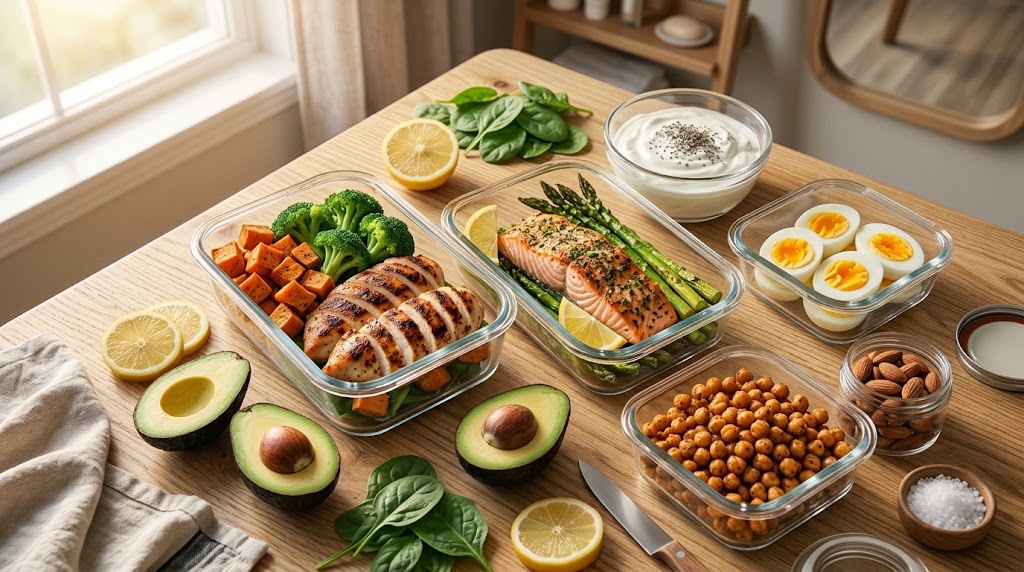
Choosing the best whole-food protein sources for fat loss is one of the most effective strategies for managing appetite while preserving lean muscle mass. Incorporating nutrient-dense proteins packed with fiber, vitamins, and healthy fats keeps meals balanced and satisfying during caloric restriction. In this guide, you will learn how to choose the right whole-food options, determine your daily requirements, and incorporate them into your routine. Read on.
Quick Answer
- Select Nutrient-Dense Proteins: Prioritize poultry, fish, eggs, dairy, legumes, tofu, nuts, and seeds over heavily processed options.
- Control Hunger & Retain Muscle: Adequate protein intake stimulates fullness hormones and protects muscle tissue during calorie deficits.
- Evaluate the Whole Package: Choose protein sources based on their protein-to-calorie ratio, fiber content, saturated fat, and sodium levels.
- Distribute Intake Evenly: Spread your protein consumption across daily meals to optimize absorption and muscle synthesis.
- Prioritize Whole Foods: Whole foods deliver essential micronutrients and dietary fiber that convenience supplements lack.
Why Protein Matters During Fat Loss
Protein plays a foundational role in sustainable weight management by targeting hunger regulation and preserving body composition:
Protein Helps You Stay Fuller
Consuming adequate protein stimulates the release of key satiety hormones, including cholecystokinin (CCK), peptide YY (PYY), and glucagon-like peptide-1 (GLP-1). These signals increase fullness and curb the urge for mindless snacking between meals.
Protein Helps Preserve Muscle While Losing Fat
During a calorie deficit, the body risks breaking down both stored fat and lean muscle tissue for energy. Consuming high-quality protein provides the amino acids necessary to protect muscle tissue, maintaining your baseline metabolic rate. To optimize your metabolic expenditure further, pair your diet with a structured beginner resistance training plan.
Best Whole-Food Protein Sources for Fat Loss
Including a variety of plant and animal foods ensures you receive a broad spectrum of nutrients. Here are top options to build your diet around:
- Lean Poultry: Skinless chicken breast provides 27 grams of protein per 3-ounce serving, while turkey breast offers 26 grams alongside B vitamins, zinc, and selenium.
- Fish and Seafood: Wild salmon provides 19 grams of protein per 3 ounces plus anti-inflammatory omega-3 fatty acids. Water-packed canned tuna yields 20 grams per serving.
- Eggs and Egg Whites: Four egg whites contain 13 grams of protein with minimal calories, while two whole large eggs deliver 12 grams along with essential choline.
- Greek Yogurt and Cottage Cheese: Non-fat Greek yogurt contains 11 grams of protein per half-cup, while 1% cottage cheese supplies 14 grams of slow-digesting casein protein.
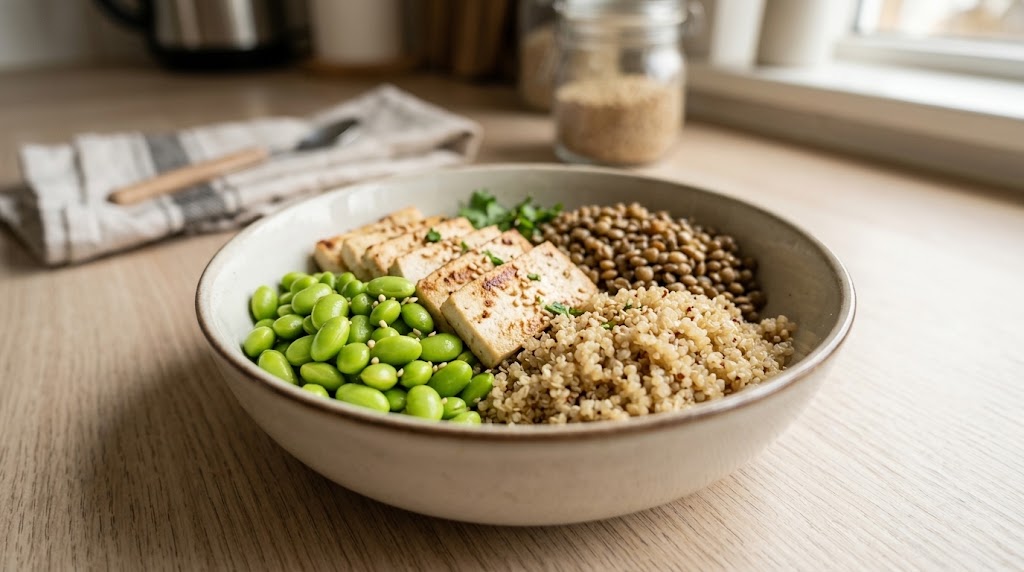
- Lentils and Legumes: Half a cup of cooked lentils offers 9 grams of protein and substantial fiber. Chickpeas provide 15 grams per cup, and edamame supplies 9 grams per half-cup.
- Tofu and Soy Foods: Three-quarters of a cup of firm tofu yields 10 grams of protein, while three ounces of tempeh provides 18 grams.
- Lean Beef: Four ounces of 93% lean ground beef delivers 24 grams of protein alongside bioavailable iron.
- Nuts and Seeds: Peanuts (7g protein per ounce) and almonds (6g per ounce) offer protein and healthy fats, though their caloric density requires portion control.
How to Choose Protein Foods for Fat Loss
Finding the best whole-food protein sources for fat loss requires evaluating more than total protein numbers:
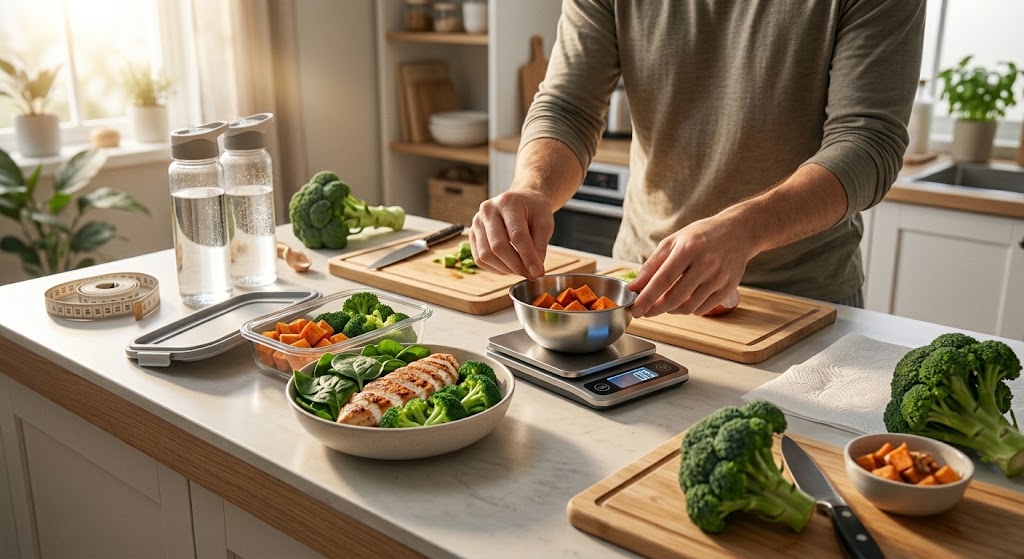
- Examine the Protein-to-Calorie Ratio: Foods like non-fat Greek yogurt, egg whites, skinless poultry, and white fish provide high protein with minimal calories. Combining these with budget-friendly meal prep strategies keeps caloric intake low.
- Prioritize Dietary Fiber: Plant proteins like lentils and beans deliver fiber alongside protein, slowing digestion and enhancing fullness. One cup of cooked lentils provides 18 grams of protein and 15 grams of fiber with zero saturated fat.
- Watch Hidden Fats and Sodium: Processed meats and heavily marbled cuts add excess saturated fat and sodium. Select lean cuts and prepare them with minimal added oils.
How Much Protein Should You Eat for Fat Loss?
General guidelines suggest deriving 10% to 35% of daily calories from protein sources. On a 2,000-calorie daily budget, this translates to roughly 50 to 175 grams of protein daily.
For active individuals engaged in regular exercise, consuming 1 to 1.5 grams of protein per pound of target body weight supports recovery and muscle retention. Because the body utilizes roughly 25 to 35 grams of protein efficiently per meal, distribute your intake across breakfast, lunch, and dinner rather than consuming one large evening meal.
Easy Ways to Add More Protein to Your Meals
Enhancing your regular meals with the best whole-food protein sources for fat loss is simple with these dietary tweaks:
- Upgrade Smoothies: Blend in cottage cheese, Greek yogurt, or silken tofu for a creamy texture.
- Enhance Sauces and Dips: Blend cannellini beans or ricotta cheese into pasta sauces and vegetable dips.
- Boost Salads and Toast: Top green salads with pumpkin seeds, sliced almonds, or hemp seeds.
- Power Up Oatmeal: Prepare oats with soy milk or cow’s milk, stirring in chia seeds or Greek yogurt.
- Smart Snacks: Keep hard-boiled eggs, edamame, roasted chickpeas, or cottage cheese ready for 10-to-15-gram protein snacks.
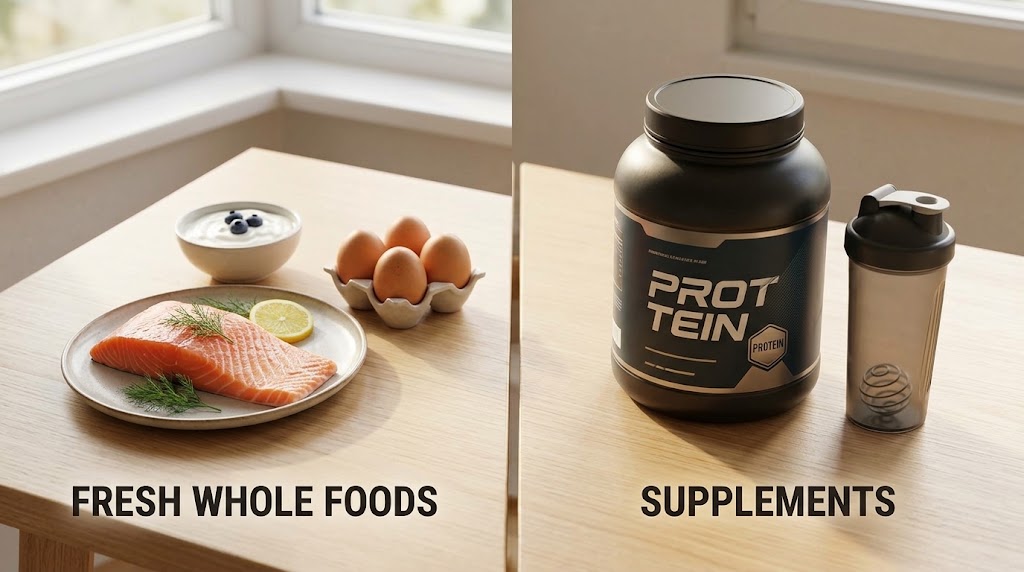
Whole-Food Protein Sources vs. Protein Supplements
While both whole foods and powders can help you meet daily targets, understanding their key differences ensures better nutritional choices:
- Nutrient Density: Whole foods deliver vital micronutrients, healthy fats, and dietary fiber. Protein powders lack these complex nutrient matrices.
- Digestion Rate: Powders like whey digest rapidly, making them suitable for immediate post-workout recovery. Whole foods digest more slowly, extending feelings of satiety.
- Satiety Levels: Solid foods require chewing and slow gastric emptying, making them far more effective at preventing hunger during a deficit. If progress halts despite eating whole foods, learn why you are not losing weight in a calorie deficit to audit your hidden calorie intake.
Frequently Asked Questions
1. Can I meet my protein targets using only plant foods?
Yes. Combining lentils, beans, tofu, tempeh, quinoa, nuts, and seeds provides all essential amino acids required for fat loss and muscle maintenance.
2. Do protein foods help increase daily calorie burn?
Yes. Protein has a higher thermic effect of food (TEF) than carbohydrates or fats, meaning your body expends more energy digesting and processing it.
3. How does dietary fiber support protein for fat loss?
Fiber expands in the digestive tract and slows stomach emptying, enhancing the satiety signals triggered by protein consumption.
4. Are protein supplements necessary for losing weight?
No. Supplements offer convenience, but whole foods provide better satiety, essential vitamins, minerals, and fiber required for health.
5. What is the best time to consume protein for fat loss?
Distributing protein intake evenly every 3 to 4 hours throughout the day helps maintain stable satiety levels and supports ongoing muscle recovery.