

Introduction
It is natural to feel frustrated when you are doing everything to lose weight, yet the scale keeps showing the same number. The truth is that weight loss is never easy. Many people report feeling stuck during their weight loss journey. In this article, we will tackle the most common reasons that slow down weight loss and how to overcome them.
Quick Answer
- Weight loss takes time; focus on changing habits that bring long-term change instead of expecting quick results.
- Eat raw vegetables, fruits, and meat instead of munching on low-calorie processed foods
- Miscalculating calories is one of the most common reasons for not losing weight.
- Your current exercise routine might not be burning enough calories. Discuss with a professional for an appropriate exercise routine.
- For older people, muscle loss can contribute to weight gain.
- Underactive thyroid, PCOS, or diabetes can make weight loss more challenging.
If you suspect a medical reason is at play, it’s always a good idea to speak with your doctor. Above all, be kind to yourself. Making these lifestyle changes is a brave step toward a healthier future.
What Does a Calorie Deficit Mean?
It all comes down to basic math. A calorie deficit occurs when you eat fewer calories than you burn through exercise. You can create a calorie deficit in two ways. one by eating fewer calories or two by exercising more. Before you start a calorie deficit your should track your calorie intake so you have a clear starting point.
Understanding Healthy Weight Loss
It is important to have realistic expectations. In weight loss, consistency wins. You should aim to lose about 1 pound per week. To achieve this goal, you can cut out 500 calories per day from your meal, or you can exercise more. However, eating less is usually easier than exercising more. If you don’t see changes in the first week, don’t panic. It’s quite common.
Why Daily Fluctuations Happen
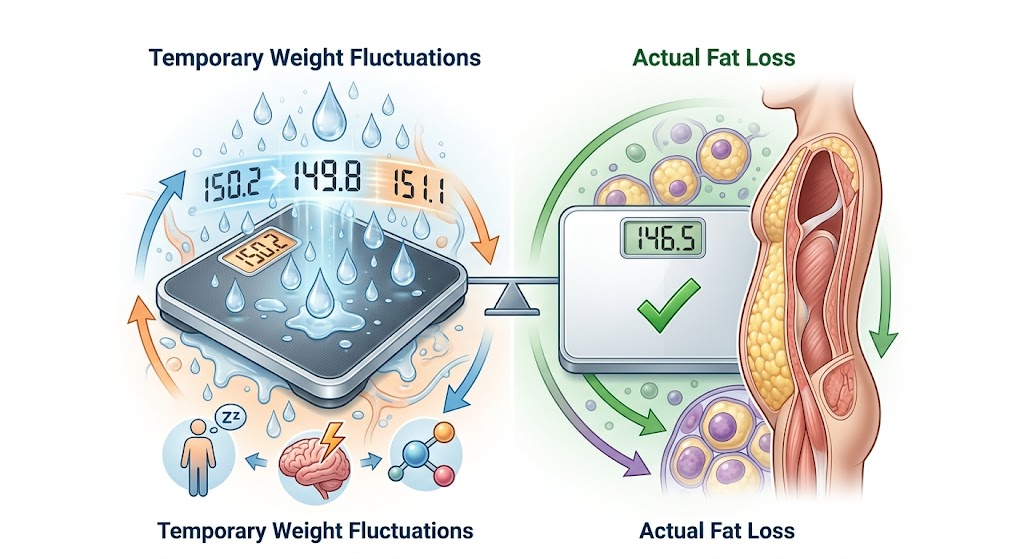
You might see the scale go down one day and then go up the very next day. That is normal. In the first week, you usually lose water weight. Factors like stress, poor sleep, and hormonal shifts can affect weight loss.
If you cut too many calories, your metabolism might slow down to conserve energy. Chat with a healthcare provider to ensure your plan is safe and tailored to your specific needs.
Why Am I in a Calorie Deficit but Not Losing Weight?
You’re Eating More Calories Than You Think
Calorie-tracking apps can be tricky. You can easily miscalculate how much you are actually eating and cancel your deficit. Checking food labels and managing your portion size can remove guesswork and enable accurate calorie tracking.
Metabolic Adaptation
As you lose weight, your body naturally burns fewer calories because it needs less energy to function. This can slow down your weight loss progress. If you feel that you are not losing weight anymore, you might need to readjust your calorie deficit based on your new weight.
Stress and Sleep Issues
If you are stressed, your cortisol levels will skyrocket. which will trigger cravings for high-calorie food. If you are not getting enough sleep, you will experience low energy and will not be able to work out.
Underlying Health Factors
If you have a health condition like PCOS, it can affect hormones that regulate your metabolism. On the other hand, hypothyroidism may cause your body to retain salt and water, which will slow down calorie burning. If you have been doing everything right and are still unable to lose weight, consult your healthcare provider.
Other Factors
- Overestimating calories burned through exercise.
- Weighing yourself incorrectly.
- Gaining Muscle While Losing Fat
How to Tell If You’re Actually Losing Fat
There are subtle signs that can show you that you are losing weight even if the scale isn’t moving.
- You can fit into your old jeans.
- Your waist is getting smaller. A smaller waist circumference is linked to better blood pressure and cholesterol levels,
- You don’t feel hungry all the time. especially if you have included protein in your diet, which makes you feel satisfied longer.
- Your mood is better throughout the day. When you stop munching on cookies, crackers, and cakes, you experience fewer sugar spikes. which reduces mood swings.
- You are snoring less. Snoring and sleep apnea are often linked to weight, so less snoring suggests you are moving in the right direction.

What to Do If You’re Not Losing Weight in a Calorie Deficit
Everyone hits a plateau eventually in their weight loss journey. Below are a few research-based things you can do to get back on track again.
Review Your Daily Habits
Double-check your calorie-counting app and activity logs. Chances are, either you started eating more or missed some workouts.
Recalculate Your Needs
Your body usually adapts quickly after weight loss and starts burning fewer calories. Recalculate your calorie deficit and workout plan based on your new weight. Just don’t go below 1200 calories, as this usually leads to cravings.
Amp Up Your Activity
Aim for at least 150 minutes of moderate aerobic activity. Weightlifting is a great way to build muscle mass. muscle helps maintain your metabolism, which assists in burning more calories.
When to Seek Advice
If these steps don’t work, it is a good idea to chat with a healthcare provider or a registered dietitian.
Frequently Asked Questions
How long should I stay in a calorie deficit before expecting results?
You need to put in at least two to four weeks of consistent effort before you start noticing changes. Measuring weekly weight averages instead of daily weigh-ins provides a more accurate picture of your progress.
Should I take a break from my calorie deficit?
If your progress has stalled, a short maintenance break may help you mentally recharge. Speak with a registered dietitian before making significant changes to your eating plan.
Are cheat meals ruining my calorie deficit?
An occasional higher-calorie meal won’t undo your progress. However, frequent cheat meals or entire cheat days can erase your weekly calorie deficit if they consistently lead to overeating.
Is it normal to hit a weight loss plateau?
Yes. Plateaus are a common part of weight loss. As your body adapts, your calorie needs change. Reviewing your eating habits, activity level, and overall consistency can help you determine your next steps.
What’s more important for weight loss: diet or exercise?
Both play an important role, but nutrition generally has the biggest impact on creating a calorie deficit. Regular exercise supports heart health, preserves muscle, and makes maintaining weight loss easier over time.