

You may be walking consistently every single day but still find yourself wondering when visible physical changes will appear. Establishing a regular routine, maintaining a brisk pace, and making mindful nutritional choices strongly influence your body transformation timeline. In this complete guide, we detail what to realistically expect regarding weight loss results from walking daily and how key lifestyle factors impact your progress. Read on.
Quick Answer
- First 1 to 2 Weeks: Expect noticeable boosts in daily energy, elevated mood, and improved post-meal blood sugar response.
- 4 to 6 Weeks: Early structural shifts occur where clothes begin fitting looser around your waistline and hips.
- 6 to 12 Weeks: Measurable body weight and fat percentage reductions become clearly visible on scales and progress photos.
- Optimal Target: Aim for at least 30 to 60 minutes of moderate-to-brisk walking 5 days per week to maximize caloric expenditure.
Timeline: Weight Loss Results From Walking Daily
The total timeframe required to achieve noticeable body composition changes depends heavily on your daily walking volume, speed, starting weight, and dietary habits. While mental and metabolic perks happen almost immediately, physical body changes follow a distinct multi-week timeline.
What to Expect After 1–2 Weeks
During the initial fortnight of establishing a walking habit, scale weight may not drop significantly, but internal health markers improve rapidly. Daily walking enhances insulin sensitivity, lowers resting stress levels, and reduces post-meal blood sugar spikes.
What Changes After 3–4 Weeks?
Around the one-month mark, subtle physical changes emerge. Non-scale victories—such as looser waistbands, reduced joint stiffness, and improved stamina—indicate that your body is adapting to increased daily energy expenditure.
What Results Can You Expect After 6–12 Weeks?
By weeks 6 through 12, cumulative calorie expenditure translates into measurable scale drop. Clinical observations tracking structured walking interventions reveal distinct outcomes based on daily walk duration over 12 weeks:
- 60-Minute Daily Walks: Participants lost an average of roughly 6.7 pounds (3 kg) and reduced body fat by nearly 2 percentage points without drastic dieting.
- 40-Minute Daily Walks: Participants lost approximately 3.2 pounds (1.45 kg), demonstrating steady, moderate body weight improvement.
To speed up these outcomes, combine your daily walking volume with a structured meal plan. Review our detailed guide on how to calculate calorie deficit for fat loss to properly balance your energy intake against exercise output.
How Much Should You Walk Daily to Lose Weight?
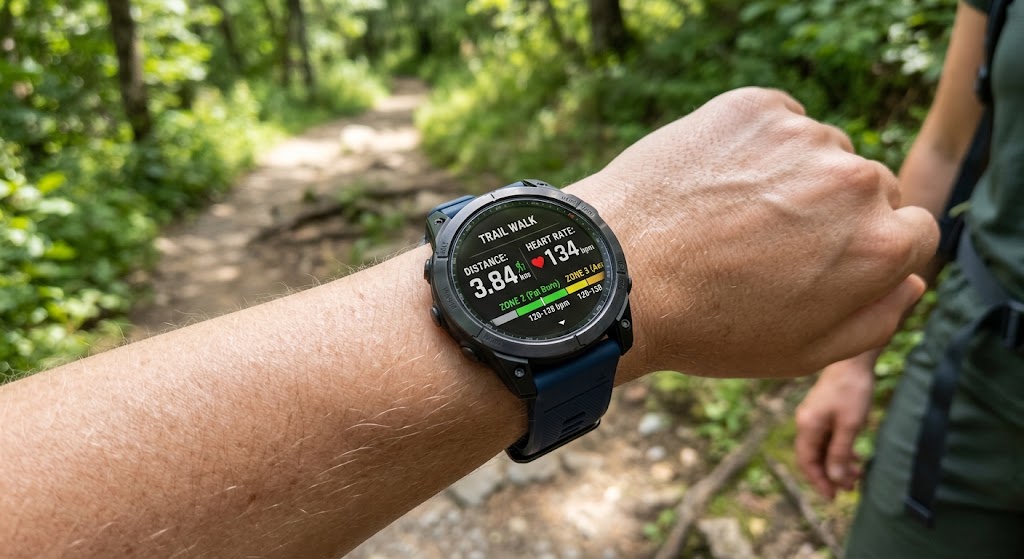
To secure consistent weight loss results from walking daily, target a brisk pace for at least 30 to 60 minutes, 5 days per week. This intensity elevates your heart rate into a light cardiovascular zone that optimizes fat oxidation.
Is Walking 30 Minutes a Day Enough?
Accumulating 30 minutes of daily walking meets the standard target of 150 weekly minutes of moderate exercise recommended by the Centers for Disease Control and Prevention (CDC). This baseline supports steady cardiovascular health, improved blood pressure, better sleep quality, and gradual weight maintenance.
Should You Walk 45 or 60 Minutes a Day?
Increasing daily duration to 45 or 60 minutes significantly elevates calorie expenditure, making it far easier to maintain a caloric shortfall without severe food restriction. If continuous long sessions are difficult, split your routine into two 30-minute or three 10-minute walks—as outlined in our comparison of three 10 minute walks vs one 30 minute walk.
Factors Affecting How Quickly You Lose Weight
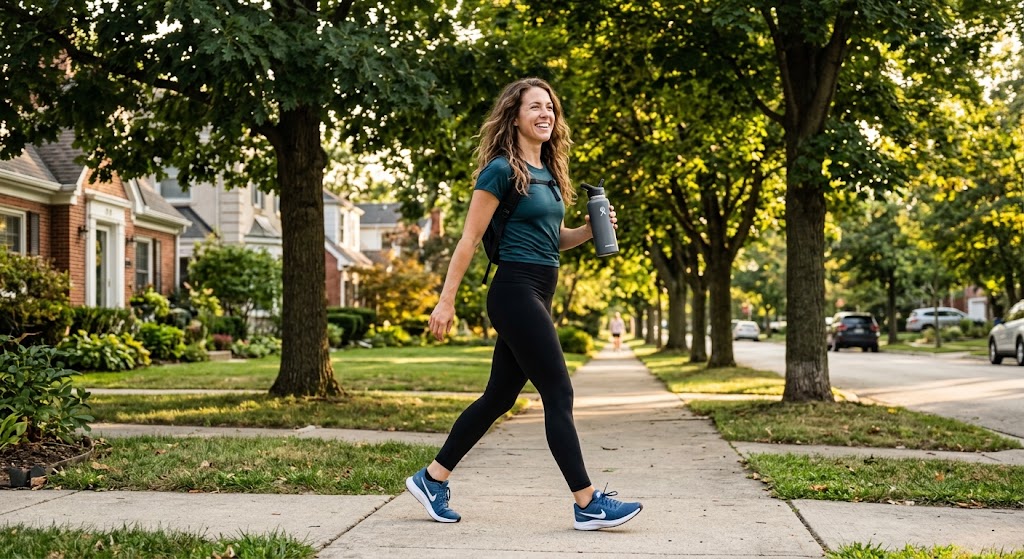
Several physiological and lifestyle variables influence how rapidly daily walking transforms your body composition:
- Calorie Intake and Diet: Walking increases appetite for some individuals. If you unconsciously consume extra calories through snacks or sugary beverages, you nullify the energy burned while walking. Pair daily walks with wholesome high-protein meal options to protect satiety.
- Walking Speed and Duration: Brisk walking at 3.5 to 4.0 mph burns significantly more energy per minute than casual strolling. Consistently logging 7,000 to 10,000 steps daily generates superior fat loss outcomes.
- Starting Body Weight: Individuals with higher starting body mass burn naturally more calories carrying that weight over distance compared to lighter individuals walking the exact same route.
- Sleep and Recovery: Shortchanging rest disrupts hunger-regulating hormones ghrelin and leptin. As highlighted in our study on sleeping less than 6 hours a night, poor sleep increases cravings and elevates water retention, concealing true scale weight progress.
Expected Monthly Weight Loss Chart
Assuming you walk for approximately one hour daily while holding dietary intake steady at baseline maintenance, typical fat loss trajectories over six months align with these starting weight averages:
- 160 Pounds Starting Weight: Expect 1.5 to 2 lbs lost in Month 1, 4 to 5 lbs by Month 3, and 6 to 8 lbs total by Month 6.
- 200 Pounds Starting Weight: Expect 2 to 2.5 lbs lost in Month 1, 5 to 6 lbs by Month 3, and 8 to 10 lbs total by Month 6.
- 250 Pounds Starting Weight: Expect 2.5 to 3 lbs lost in Month 1, 6 to 8 lbs by Month 3, and 10 to 12 lbs total by Month 6.
How to Get Faster, Sustainable Walking Results
When progress plateaus, minor adjustments to your walking routine can reignite calorie burn without forcing you to walk for hours:
- Incorporate Speed Intervals: Warm up for 5 minutes, then alternate 2 minutes of normal walking with 30 to 60 seconds of fast power-walking. Repeat for 15 minutes before cooling down.
- Add Elevation and Hills: Seek out hilly neighborhood routes or set a treadmill incline between 1% and 3%. Incline walking engages glutes, calves, and hamstrings while burning up to 30% more energy.
- Wear a Weighted Vest: Wearing a vest weighing 5% to 10% of your body weight increases workload safely without compromising posture or foot mechanics.
- Include Resistance Exercises: Combine walking with basic bodyweight movements. Try adding simple beginner strength training routines twice weekly to build lean muscle and elevate resting metabolism.
Common Walking Mistakes That Slow Progress
Avoid these common mistakes that often delay weight loss results from walking daily:
- Strolling at an Ineffective Pace: Casual, low-effort walking lacks the intensity needed to burn significant calories. Maintain a purposeful pace where talking requires mild effort.
- Failing to Track Liquid Calories: Consuming high-calorie sports drinks, sweetened teas, or fruit juices during or after walks can easily erase your burned calorie deficit.
- Neglecting Supportive Footwear: Walking long distances in worn-out sneakers causes foot arch fatigue, shin splints, and joint pain that forces unwanted rest days.
- Inadequate Hydration: Dehydration reduces overall stamina and workout efficiency. Drink water consistently throughout the day, especially in warm climates.
Longer-Term Progress and Tracking
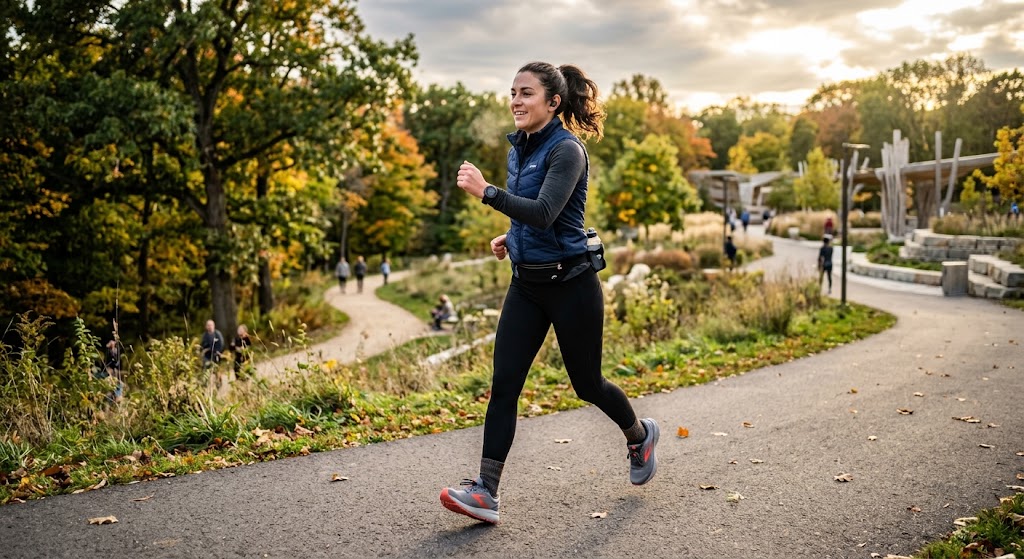
Beyond the first 12 weeks, progress continues at a steadier pace: total losses of 15 to 25 pounds can occur by months 4 to 6 with daily walking and a controlled diet, while after 6 months progress often plateaus as the body adapts to the same workload, so speed, incline or duration need to change. By 6 to 12 months, regular walkers may also see visible muscle definition in the legs, glutes and core, and improved bone density.
Two practical ways to keep progressing are to split sessions into two 25-minute walks when one long walk is hard to fit in, and to add short power intervals of 10 to 15 seconds of maximum-speed walking followed by 60 seconds of normal pacing. Track weekly weight averages rather than single weigh-ins, alongside waist measurements, daily steps — aiming for 7,000 to 13,000 steps a day — and walking pace, using tools such as Fitbit, MapMyWalk, Apple Health or Google Fit.
Frequently Asked Questions
1. Can walking 30 minutes a day help you lose weight?
Yes. Walking 30 minutes daily increases total calorie burn. When paired with a controlled diet that maintains an energy gap, it produces consistent monthly fat loss.
2. How long does it take to lose belly fat by walking daily?
Visible abdominal fat reduction typically takes 8 to 12 weeks of consistent daily walking alongside a proper dietary deficit, as localized body fat decreases proportionally across the whole body.
3. Is walking every day better than walking 3 times a week?
Walking daily is generally better for weight loss because it builds a stronger daily habit and generates higher total weekly calorie expenditure than 3 weekly sessions.
4. Is it better to walk in the morning or evening for fat loss?
The time of day does not significantly impact total calorie burn. Choose whichever time slot best guarantees your long-term daily consistency.
5. Why am I walking daily but not losing weight?
If daily walking does not lower your weight after 4 weeks, you are likely consuming back the burned calories through unmeasured food portions, cooking oils, or high-calorie beverages.