
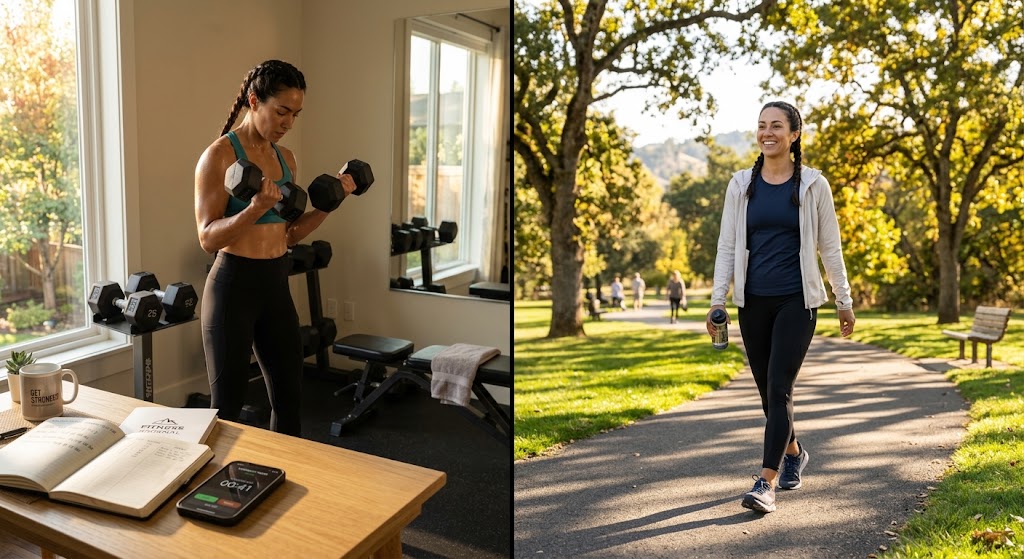
Struggling to shed body fat while maintaining energy levels and building lean muscle? Finding the right exercise balance can feel overwhelming. Learning how to combine walking and strength training for fat loss offers a powerful, low-stress solution that protects muscle tissue while maximizing daily caloric expenditure. In this comprehensive guide, you will learn step-by-step how to structure your workouts, optimize recovery, and achieve sustainable results. Read on.
Quick Answer
- Dual Benefits: Combining resistance exercises with daily walking accelerates fat loss while maintaining lean muscle mass.
- Strength Target: Schedule 2 to 4 full-body strength sessions weekly to boost resting metabolism.
- Walking Target: Build up to 200–300 minutes of moderate-paced walking each week (roughly 30 to 45 minutes daily).
- Workout Order: Always complete strength training first before going on moderate post-workout walks.
- Support Recovery: Pair your routine with adequate protein intake, quality sleep, and systematic tracking.
Why Combine Walking and Strength Training for Fat Loss?
Choosing to combine walking and strength training for fat loss delivers a balanced physical approach. While walking elevates your daily calorie burn without fatiguing your central nervous system, strength training preserves active muscle tissue, keeping your metabolism elevated.
Walking for Low-Stress Calorie Burn
Walking increases Non-Exercise Activity Thermogenesis (NEAT), allowing you to burn extra calories without increasing joint stress or triggering excessive hunger pangs common with high-intensity cardio.
Strength Training for Metabolic Health
Lifting weights, using resistance bands, or performing bodyweight movements stimulates muscle muscle retention. According to exercise guidelines from the American College of Sports Medicine, active muscle tissue consumes more energy at rest than fat mass, directly supporting long-term body composition.
Preserving Muscle in a Deficit
When operating in a caloric deficit, your body may break down both fat and muscle mass for energy. Resistance training signals your body to retain lean tissue, ensuring that weight loss comes predominantly from stored body fat.
How Much Walking Should You Do for Fat Loss?
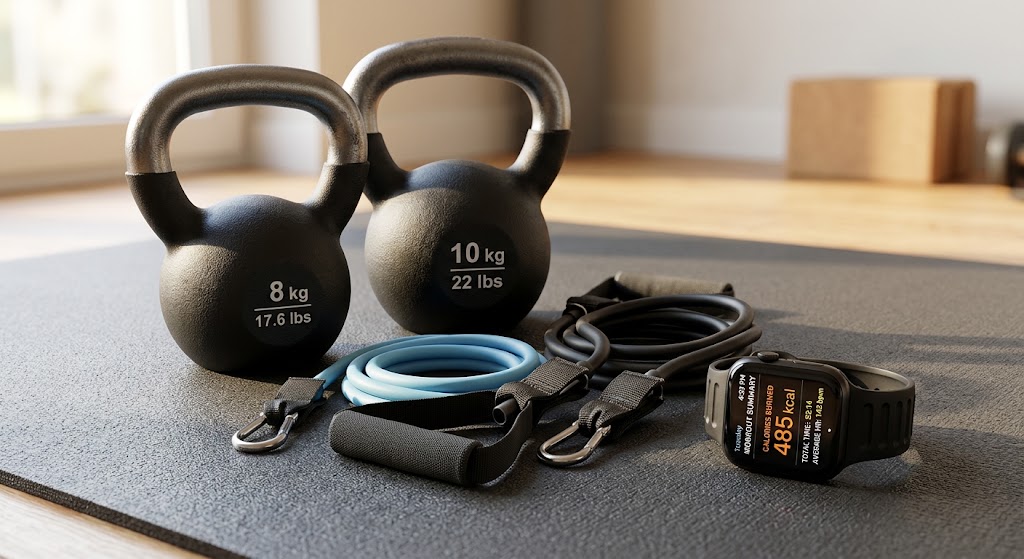
To maximize results when you combine walking and strength training for fat loss, aim for 200 to 300 minutes of weekly moderate walking. This averages roughly 30 to 45 minutes per day, producing 3,000 to 4,500 additional steps daily.
6-Week Progressive Walking Plan
- Week 1: 20 minutes daily, 5 days/week (100 total minutes).
- Week 2: 25 minutes daily, 5 days/week (125 total minutes).
- Week 3: 30 minutes daily, 5 days/week (150 total minutes).
- Week 4: 35 minutes daily, 5 days/week (175 total minutes).
- Week 5: 35 minutes daily, 6 days/week (210 total minutes).
- Week 6+: 40–45 minutes daily, 6 days/week (240–270 total minutes).
How to Structure a Weekly Walking and Strength-Training Plan
Structuring your routine prevents overtraining while ensuring consistent progress. Here is a proven beginner-friendly weekly split:
- Monday: Full-Body Strength Workout A + 15-minute easy walk.
- Tuesday: 30 to 45-minute conversational-paced walk.
- Wednesday: 30 to 45-minute conversational-paced walk.
- Thursday: Full-Body Strength Workout B + 15-minute easy walk.
- Friday: 30 to 45-minute easy walk.
- Saturday: Optional Full-Body Strength Workout C or active recovery walk.
- Sunday: Complete rest, light stretching, or foam rolling.
Golden Rule: If performing both activities on the same day, prioritize lifting weights first while your muscles are fresh, followed by an easy-paced walk.

Nutrition and Recovery Strategies
Proper nutrition ensures your body repairs tissue while continuing to burn fat. To get the most out of your training, pair your active schedule with proper fuel:
- Protein Intake: Consume 20 to 40 grams of lean protein post-workout. Explore our guide on cheap high-protein meal prep ideas for budget-friendly options.
- Manage Caloric Deficit: Ensure your caloric intake aligns with your daily energy expenditure. Learn how to calculate calorie deficit for fat loss to set accurate targets.
- Prioritize Sleep: Rest is essential for cellular repair and stress hormone management. Review the risks of sleeping less than 6 hours a night on fitness progress.
- Add Home Exercises: If you prefer working out at home, try our beginner weight training routines.

Common Training Mistakes to Avoid
When learning how to combine walking and strength training for fat loss, avoid these frequent errors:
- Lifting with Poor Form: Prioritize movement quality over heavy weight to prevent joint strain.
- Skipping Warm-Ups: Prepare your joints with 5 minutes of dynamic movements before lifting.
- Overtraining: Excessive exercise without rest increases injury risks and slows down metabolic health.
- Neglecting Hydration: Drink at least 16–24 ounces of water post-workout to stay hydrated.
How to Track Progress and Adjust Your Routine
Relying solely on scale weight can be misleading during body recomposition. Track these key metrics every 2 to 4 weeks:
- Body Measurements: Take waist, hip, chest, and thigh measurements.
- Strength Performance: Log repetitions, weight lifted, and set counts.
- Progress Photos: Take consistent photos under identical lighting conditions.
- Daily Step Counts: Monitor weekly walking averages using a fitness tracker.
Frequently Asked Questions
1. Can I lose fat by walking and strength training without running?
Yes. Walking increases caloric expenditure while strength training preserves active muscle mass, making high-impact running unnecessary for fat loss.
2. Should I walk before or after strength training?
Complete your strength training workout first when your energy levels are highest, then follow up with an easy-to-moderate walk.
3. How many days a week should I lift weights and walk?
Perform 2 to 4 strength training sessions per week while walking 5 to 6 days weekly for optimal health and fat loss results.
4. Is walking on rest days good for fat loss?
Yes, light walking on rest days promotes circulation, aids muscle recovery, and maintains daily calorie expenditure without adding physical stress.
5. Can strength training help reduce belly fat?
Strength training accelerates overall body fat reduction. As total body fat decreases, abdominal fat naturally drops as well.