
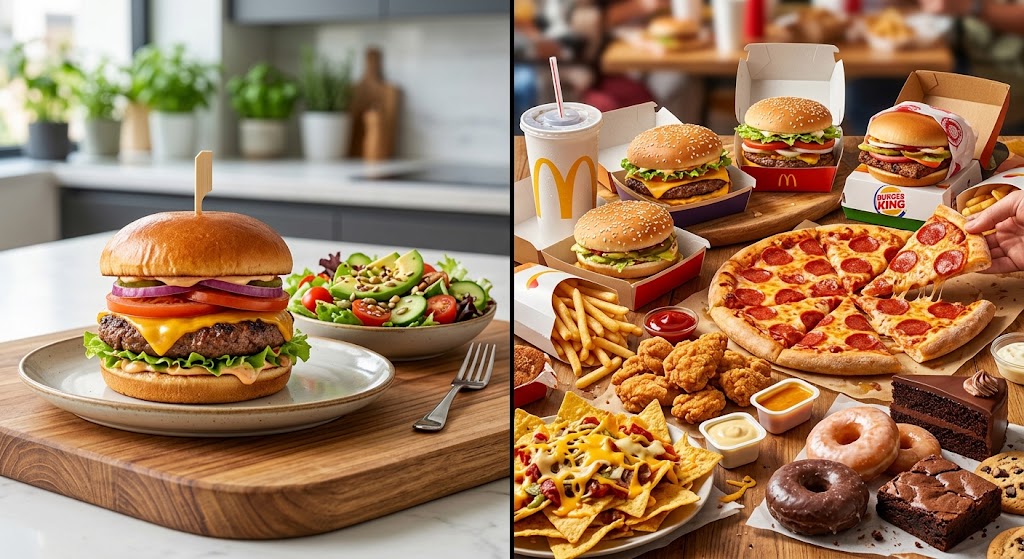
Starting a fat-loss journey often makes people wonder if enjoying favorite foods will ruin their hard work. Knowing how to plan higher-calorie meals allows you to stay flexible without sabotaging your hard-earned calorie deficit. In this comprehensive comparison of a cheat meal vs cheat day, we explore how each option impacts your weekly caloric balance, scale weight fluctuations, and long-term fat-loss progress so you can make the smartest choice for your body.
Quick Answer
- Duration Matters: A cheat meal is limited to a single meal, whereas a cheat day extends over a full 24-hour period, carrying a much larger impact on your weekly calorie intake.
- Calorie Control: A planned cheat meal offers controlled flexibility that fits within your weekly budget, while an unrestricted cheat day can easily wipe out an entire week’s calorie deficit.
- Weight Scale Spikes: Sudden scale weight increases after indulgent eating are usually driven by water retention, elevated sodium intake, glycogen storage, and undigested food—not immediate body fat gain.
- Best Approach for Fat Loss: Incorporating structured, single cheat meals or practicing flexible dieting using portion control is vastly superior to unrestricted full cheat days.
How Does a Cheat Meal Differ From a Cheat Day?
When comparing a cheat meal vs cheat day, the fundamental distinction lies in the timeframe and the total volume of food consumed outside your standard diet plan.
What Is a Cheat Meal?
A cheat meal is a single, planned meal that incorporates foods not typically included in your daily cutting diet. It serves as a psychological break from strict calorie tracking while satisfying specific cravings. Because macronutrients and precise calories are rarely tracked during this meal, portions are naturally larger than usual, ranging from favorite takeout dishes to rich desserts.
What Is a Cheat Day?
A cheat day spans an entire 24-hour window during which all dietary tracking is temporarily paused. Throughout the day, multiple meals, snacks, and beverages outside your normal plan are consumed. Unrestricted cheat days often lead to extreme overeating, making it difficult to maintain a consistent energy deficit over the week.
How Each Option Affects Your Calorie Deficit
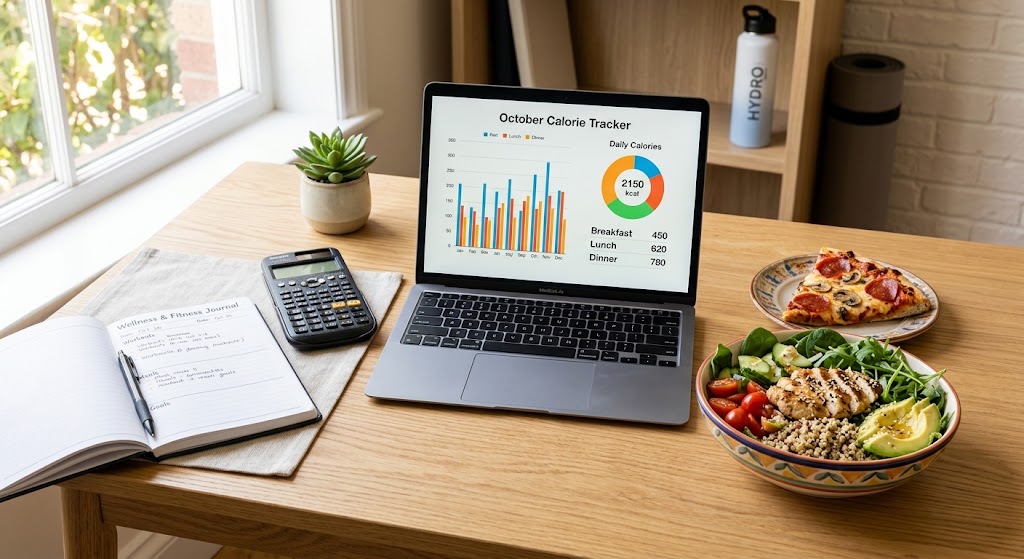
Understanding the mathematical impact of a cheat meal vs cheat day is essential for maintaining steady progress toward your body composition goals.
A single cheat meal typically adds an extra 500 to 1,200 calories above your normal baseline meal. Assuming the rest of your week remains on track, this temporary surplus is easily absorbed by your weekly deficit without stalling fat loss.
Conversely, an entire cheat day can easily climb to 4,000 to 6,000 calories or more. If your daily cutting plan creates a 500-calorie deficit (3,500 calories per week), a single 5,000-calorie cheat day completely erases your weekly deficit, leaving you in an energy surplus or at a weight-loss plateau.
Which Option Is Easier to Maintain Long-Term?
Adherence and psychological sustainability are critical during a prolonged fat-loss phase. Single cheat meals offer structured flexibility, giving you an event to look forward to without disrupting your healthy eating momentum.
Full cheat days, on the other hand, frequently trigger an unhealthy cycle of overeating, guilt, extreme restriction, and subsequent binges. Feeling sluggish, bloated, or out of control after a full day of heavy eating can hinder workout performance and weaken your dietary consistency.
Does Either Option Improve Your Metabolism?
A common myth is that high-calorie days “reset” a slowed metabolic rate. While consuming higher amounts of carbohydrates temporarily boosts leptin levels (the satiety hormone that drops during prolonged dieting), this metabolic bump is small and short-lived. Neither a cheat meal nor a cheat day acts as a complete metabolic reset.
To better understand energy balance and maintain your target intake, explore our guide on how to calculate calorie deficit for fat loss to keep your numbers aligned with your targets.
Why Your Weight May Increase After a Cheat Meal or Cheat Day
Seeing a sudden jump on the bathroom scale the morning after eating higher-calorie foods can be alarming, but it rarely reflects actual body fat gain. Understanding the difference between a cheat meal vs cheat day helps put these short-term scale spikes into perspective.
Three primary factors drive immediate post-cheat weight increases:
- Glycogen Replenishment: Consuming extra carbohydrates stores glycogen in your liver and muscles. Every gram of stored glycogen binds approximately 3 to 4 grams of water.
- Sodium Retention: Restaurant dishes, takeout, and processed foods contain high levels of sodium, prompting your body to temporarily hold extra fluid.
- Undigested Food Mass: Larger meals take longer to process, adding physical weight to your digestive tract until fully digested.
Together, these factors can cause a temporary 2 to 5-pound increase on the scale. Storing 1 pound of actual body fat requires a cumulative surplus of roughly 3,500 calories above your maintenance level. Thus, immediate scale changes primarily reflect fluid dynamics and digestive volume.

How to Enjoy Your Favorite Foods Without Slowing Fat Loss
Applying smart flexible dieting principles allows you to incorporate treats into your routine without sacrificing fat loss:
- Practice Portion Control: Enjoy smaller portions of indulgent foods or share desserts when dining out. Using smaller plates helps maintain visual satisfaction while controlling calories.
- Make Smart Ingredient Swaps: Substitute high-calorie ingredients with lower-calorie options—such as choosing whole wheat grains, lean protein bases, or greek yogurt swaps in recipes.
- Use Healthier Cooking Methods: Grill, bake, air-fry, or steam foods instead of deep-frying to keep extra oil calories to a minimum.
- Practice Mindful Eating: Eat slowly and pay attention to hunger and fullness cues to prevent mindless overeating during social occasions.
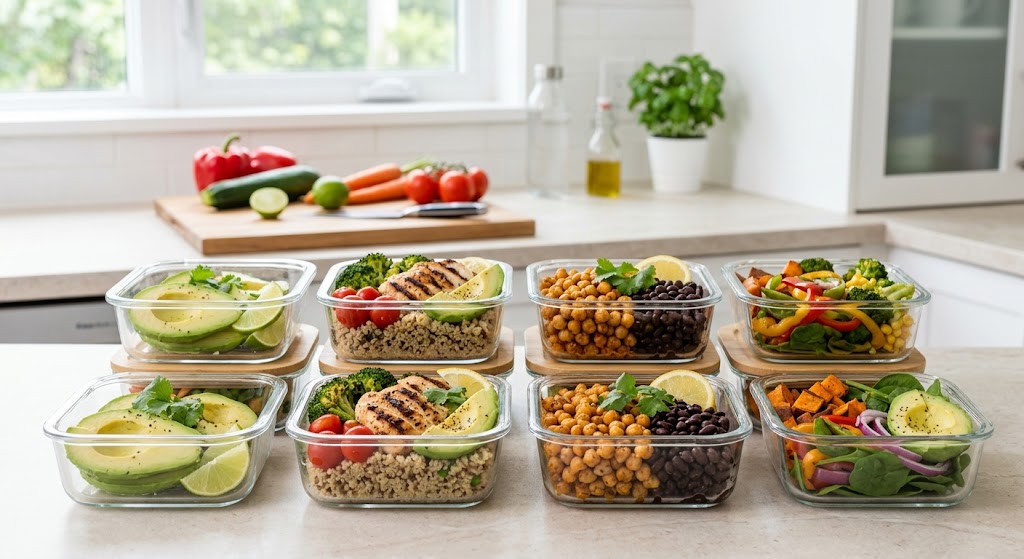
For budget-friendly nutrition tips that align with your fitness goals, check out our guide on cheap high protein meal prep ideas to keep your daily eating structured and effective.
Common Mistakes to Avoid When Planning Cheat Meals
To keep your fat loss moving forward when comparing a cheat meal vs cheat day, steer clear of these frequent pitfalls:
- Choosing Full Unrestricted Days: Avoid eating without limits all day, which easily cancels out your weekly energy deficit.
- Cheating Too Frequently: Turning occasional treats into daily habits prevents your body from remaining in a consistent calorie deficit.
- Eating Past Fullness: Eat until comfortably satisfied rather than pushing yourself to the point of discomfort.
- Overconsuming Alcohol: Alcohol provides empty calories, slows fat oxidation, and lowers dietary inhibitions, making overeating much more likely.
- Neglecting Recovery and Sleep: Skimping on rest disrupts hunger hormones. Learn more about how sleeping less than 6 hours a night affects appetite and metabolic health.
Frequently Asked Questions
1. Can I have a cheat meal every week and still lose fat?
Yes. As long as your overall weekly calorie intake remains in a deficit, enjoying a single weekly cheat meal will not prevent fat loss.
2. Will one cheat day ruin my weight-loss progress?
While one cheat day will not permanently ruin your progress, consuming several thousand extra calories in a 24-hour window can erase your weekly calorie deficit and cause a temporary weight spike from water and sodium retention.
3. Should I have a cheat meal on a workout day?
Having a cheat meal on a workout day can help direct incoming carbohydrates toward muscle glycogen recovery, but total daily calorie balance still determines overall fat loss success.
4. Is a cheat meal better than a refeed day?
A cheat meal focuses on psychological satisfaction with unmeasured foods, whereas a refeed day is a structured, tracked increase in calories (mostly from complex carbohydrates) designed to support workout performance and hormone balance.
5. Can cheat meals help prevent weight-loss plateaus?
Cheat meals offer mental relief during a long diet, but they do not cause a major metabolic jump or break genuine plateaus. Consistent calorie tracking and progressive movement remain the key drivers of continued fat loss.