

If you are frustrated because your belly fat is not reducing despite weight loss, you are not alone. Dropping pounds on the scale while your midsection seems unchanged is a common hurdle in body recomposition. Understanding how fat distribution, daily caloric intake, and body water balance interact can help you break through this stall. In this detailed guide, we explain the exact science behind abdominal fat loss and how to measure real progress. Read on.
Quick Answer
- Targeted Fat Loss Is a Myth: Your body pulls stored energy systemic-wide based on genetics, sex, and hormonal profiles rather than from specific target zones.
- Beware of Uncounted Calories: Inconsistent energy deficits, unmeasured cooking oils, weekend overeating, and liquid treats frequently stall midsection fat reduction.
- Body Recomposition Plays a Role: Gaining lean muscle tissue while losing body fat can shrink your waist circumference even when scale weight remains static.
- Water Retention Hides Results: Temporary bloating, digestive inflammation, and elevated stress hormones can visibly distend your abdomen.
- Use Reliable Metrics: Monitor weekly 7-day scale averages, bi-weekly waist tape measurements, and monthly progress photos instead of daily scale fluctuations.
Why Belly Fat Is Not Reducing Despite Weight Loss
Understanding why your belly fat is not reducing despite weight loss starts with recognizing that fat loss occurs non-uniformly. A consistent energy deficit forces your body to mobilize fat stores, but biological factors dictate the order in which specific regions lean out.
Genetics, biological sex, and age-related hormones strongly influence your regional fat storage patterns. Consequently, noticeable slimming often appears first in your face, arms, and lower legs. Abdominal fat—particularly deep visceral stores and stubborn subcutaneous layers—is dense with alpha-2 adrenergic receptors, making it slower to release stored fatty acids during a diet.
You May Be Losing Weight but Not Enough Body Fat Yet
Seeing scale numbers drop without witnessing a visual transformation in your waistline can feel confusing. Early weight loss primarily consists of glycogen stores, water weight, and minor muscular fluid shifts rather than pure adipose tissue.
According to health research from Harvard Health, fat loss occurs incrementally across the whole body. Because abdominal fat cells are often the last to shrink, a longer timeline is required before visual changes become apparent in your midsection.
Your Calorie Deficit May Not Be Consistent
Another key reason your belly fat is not reducing despite weight loss involves hidden intake gaps that erode your expected caloric deficit. Small, unmeasured habits throughout the week can quietly neutralize your energy gap:
- Unmeasured Portions: Eyeballing food quantities leads to underestimating daily energy intake. Cooking oils, nut butter, salad dressings, and sauces add high caloric density.
- Liquid Calorie Additions: Flavored coffee beverages, commercial fruit juices, and alcohol carry high calories without promoting fullness.
- Weekend Calories Cancel Weekday Deficits: Maintaining a strict target Monday through Friday can easily be negated by unmonitored weekend eating, keeping your weekly average at maintenance level.
Clinical studies archived by the National Institutes of Health (NIH) show that individuals frequently underestimate daily intake by 20% to 50%, which explains why stubborn belly fat remains stalled.
Muscle Gain Can Change Your Body Without Scale Changes
Engaging in regular resistance training can dramatically transform your physique without altering your overall body weight. When you build lean muscle tissue while simultaneously losing body fat, your physical frame shrinks and tightens, even if the scale stays flat.
Research published in the Journal of Strength and Conditioning Research revealed that individuals completing structured strength programs gained significant muscle mass while losing fat tissue, resulting in minimal overall scale reduction despite dramatic waistline shrinkage. Beginner lifters frequently experience this body recomposition effect during their initial months of training.

Bloating and Water Retention Can Hide Fat-Loss Progress
Temporary fluid retention and gastrointestinal bloating can mask genuine fat loss around your midsection. Retaining just 1 liter of excess fluid adds over 2 pounds to the scale while visibly expanding your abdominal area.
Common causes of abdominal fluid retention include high dietary sodium intake, digestive sensitivity, intense exercise recovery, and systemic inflammation. Before assuming your belly fat is not reducing despite weight loss effort, allow time for fluid levels and digestive health to normalize.
Sleep, Stress, and Daily Activity Can Affect Progress
Lifestyle factors like chronic stress and inadequate rest directly alter your hormonal environment, making midsection fat loss more difficult. Chronic stress elevates cortisol levels, which promotes fat storage in the deep visceral abdominal cavity.
Furthermore, sleeping less than 6 hours a night impairs appetite-regulating hormones, increasing cravings for calorie-dense foods. Ensuring adequate sleep and managing daily stress are essential strategies when addressing why your belly fat is not reducing despite weight loss.

How to Track Belly Fat Loss More Accurately
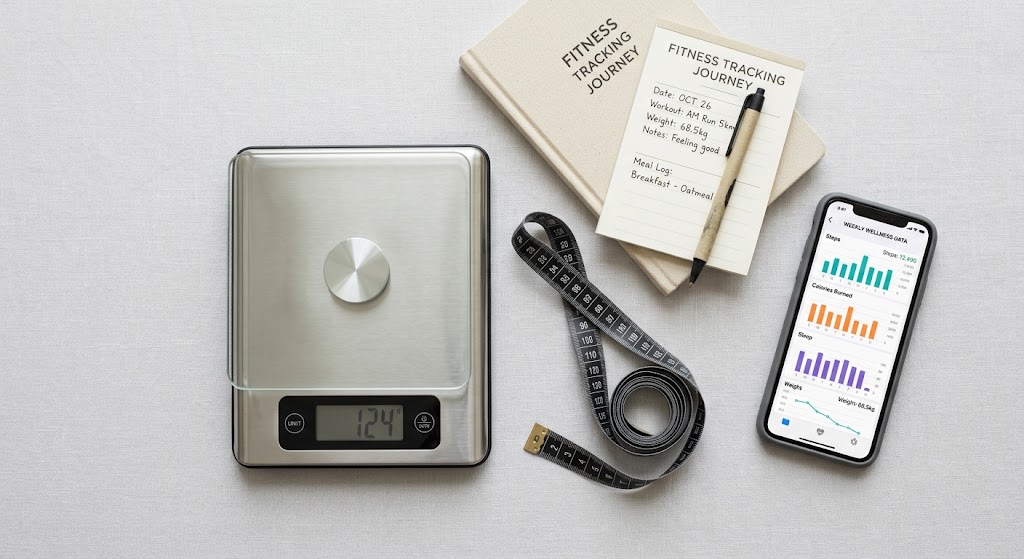
Relying solely on morning scale readings can be misleading. Implement these accurate tracking methods to measure your true fat loss progress:
- Monitor 7-Day Weight Averages: Calculate weekly average scale numbers to filter out temporary water and digestion fluctuations.
- Take Bi-Weekly Waist Measurements: Use a flexible measuring tape every 2 weeks at the narrowest point of your waist and across your navel.
- Capture Monthly Progress Photos: Take standardized photos every 3 to 4 weeks using identical lighting, posture, and fitted clothing.
- Assess Clothing Fit: Pay attention to how your belts, trousers, and waistbands fit over time rather than obsessing over daily scale numbers.
Common Errors When Trying to Lose Belly Fat
- Doing Excessive Abdominal Exercises: Crunches and sit-ups strengthen underlying core muscles but do not directly burn the overlying abdominal fat layer.
- Dropping Calories Too Deeply: Extreme restriction elevates stress hormones, increases muscle breakdown, and triggers severe rebound overeating.
- Ignoring Daily Movement: Focus on increasing daily non-exercise movement alongside structured workouts to maintain high energy expenditure.
- Neglecting Protein Targets: Ensure sufficient protein intake with high-protein meal options to support recovery and preserve lean muscle mass.
Frequently Asked Questions
1. Can belly fat look unchanged even when your waist is getting smaller?
Yes. Gaining lean muscle mass while losing fat allows your waistline to shrink and firm up even if your total scale weight remains unchanged.
2. Why does my waist size change from morning to evening?
Intra-day waist variations are typically caused by food volume in the digestive tract, gas production, and normal fluid shifts throughout the day.
3. How often should I check my waist measurements?
Measure your waist every two weeks using a flexible tape measure, ideally first thing in the morning before eating or drinking.
4. Can stress cause your body to hold onto abdominal fat?
Yes. Chronically elevated cortisol levels encourage the body to store fat preferentially in the visceral abdominal region and promote fluid retention.
5. Why is my belly fat is not reducing despite weight loss?
Because fat loss occurs globally across the entire body, abdominal fat is often the last area to shrink due to its receptor density and blood flow characteristics.