
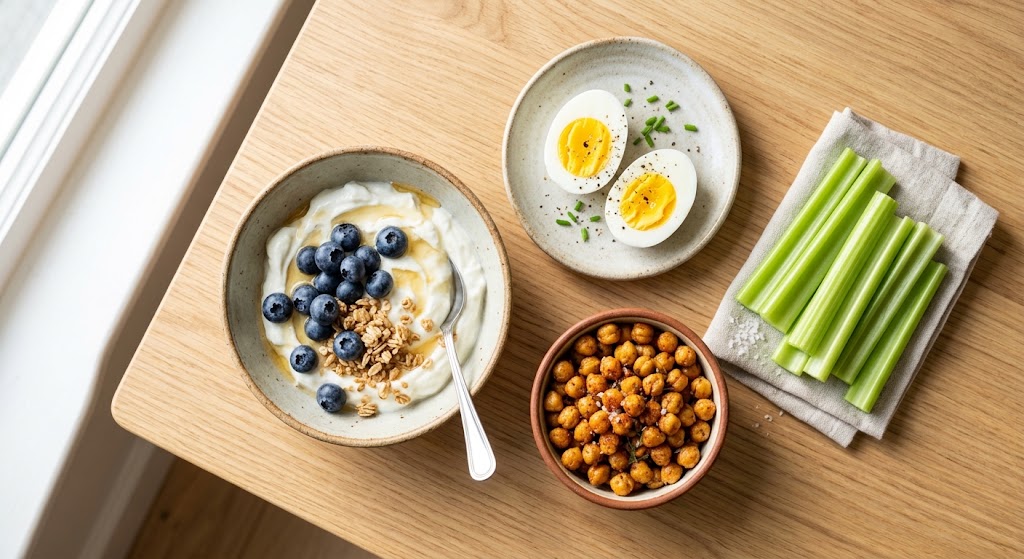
Finding the best low-calorie high-protein snacks for weight loss can make all the difference when managing daily hunger between meals. Choosing nutrient-rich options packed with dietary protein and fiber helps you stay full while staying inside your daily energy target. In this complete guide, you will learn how to pick satisfying, nutrient-dense foods, avoid common snacking pitfalls, and support your fitness goals with confidence. Read on.
Quick Answer
- Target Nutrient Balance: Select daily snacks featuring dietary protein, moderate calories, and digestive fiber to control hunger effectively.
- Manage Energy Budgets: Aim for roughly 150 to 250 calories per serving with a healthy balance of macro-nutrients.
- Embrace Whole Foods: Choose nutrient-rich options like Greek yogurt, hard-boiled eggs, cottage cheese, canned tuna, edamame, and roasted chickpeas.
- Recognize Real Hunger: Differentiate physical hunger signals from emotional or boredom-driven cravings before reaching for food.
- Weigh High-Density Foods: Measure serving portions of nuts, seeds, and dried fruits using a kitchen scale instead of eating straight from packaging.
What Makes a Snack Good for Weight Loss?
Selecting the best low-calorie high-protein snacks for weight loss requires balancing satiety, nutrient density, and calorie control. Rather than grabbing low-nutrient processed foods, focus on options that supply lasting energy.
Prioritize Protein and Moderate Calories
Dietary protein promotes satiety significantly more than refined carbohydrates or fats, directly curbing overall energy intake. According to research indexed by the National Institutes of Health (NIH), higher protein intake boosts satiety hormones and protects lean muscle tissue during an active energy deficit.
Incorporate Fiber and Mindful Portioning
Dietary fiber slows down digestion, stabilizes blood glucose levels, and prevents sudden energy crashes. Combining fiber with lean protein creates a powerful appetite-suppressing effect. Nutrition guidance from the Academy of Nutrition and Dietetics emphasizes that managing portion sizes of energy-dense foods is essential for long-term weight management.
Best Low-Calorie High-Protein Snacks for Weight Loss
Integrating whole-food options keeps appetite under control while providing essential amino acids for muscle repair. Here are top-tier choices to include in your routine:
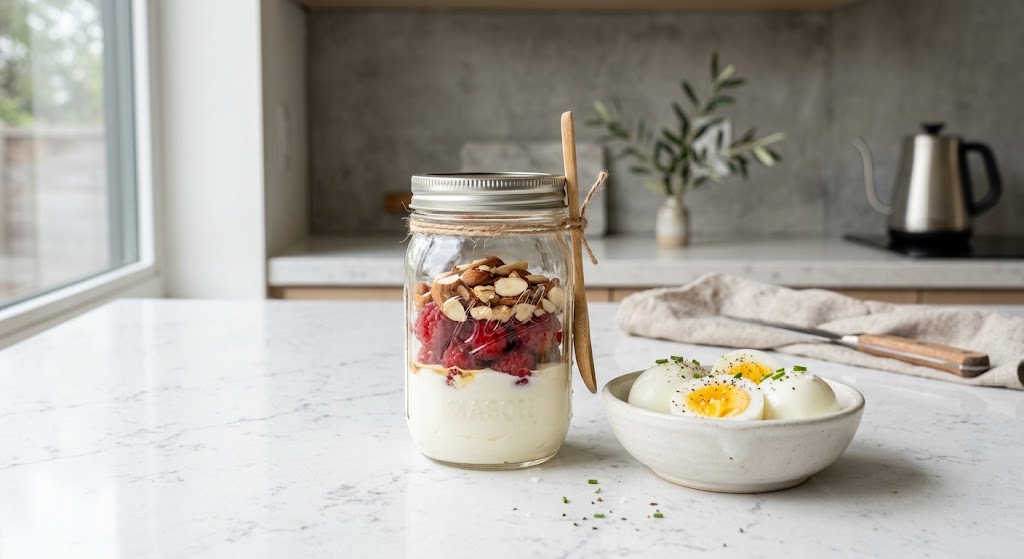
1. Greek Yogurt
Greek yogurt stands out as a top contender among the best low-calorie high-protein snacks for weight loss. A single 6-ounce serving supplies around 15 to 20 grams of protein. You can also mix plain Greek yogurt with herbs to create a high-protein vegetable dip.
2. Boiled Eggs
Hard-boiled eggs are portable, nutrient-rich, and easy to prepare in advance. One large egg provides approximately 6 grams of protein, essential vitamins, and healthy fats for under 80 calories. If you prefer egg whites alone, pair them with hummus for added fiber.
3. Cottage Cheese
A 3.5-ounce serving of low-fat cottage cheese delivers roughly 11 grams of protein for only 84 calories. Pairing cottage cheese with half a cup of fresh blueberries and a tablespoon of seeds offers a sweet, satisfying treat.
4. Water-Packed Tuna
Canned tuna packed in water is extremely lean and convenient. A standard 165-gram can delivers over 40 grams of pure protein for less than 200 calories. Mix it with lemon juice, mustard, or chopped celery for a quick meal prep boost.
5. Edamame
Steamed edamame (young soybeans) serves as a crunchy, savory alternative to processed potato chips. One cup of cooked edamame delivers about 18 grams of plant-based protein alongside 8 grams of digestive fiber.
6. Protein-Rich Dairy or Plant Milk
Ultra-filtered fat-free milk or specialized protein shakes offer rapid, portable nutrition. A single cup provides 8 to 26 grams of high-quality protein to support daily muscle recovery.
7. Roasted Chickpeas
Roasted chickpeas provide a satisfying crunch packed with complex carbohydrates, plant protein, and fiber. A quarter-cup serving of spiced roasted garbanzo beans offers roughly 7 grams of protein and plenty of satiety.
How to Choose the Right Snack for Your Calorie Target
When selecting the best low-calorie high-protein snacks for weight loss, always evaluate the nutrition label per serving to align with your overall energy expenditure.
Evaluate Nutrition Metrics per Serving
Aim for snack servings containing 150 to 250 total calories. Look for at least 8 to 15 grams of protein, 3 to 5 grams of dietary fiber, and minimal added sugars. When choosing packaged protein bars, prioritize clean ingredient lists with low artificial additives.
Match Food Intake to Genuine Hunger Signals
Plan snacks every 3 to 4 hours or when physical hunger reaches a moderate level. Clinical insights from Harvard Health highlight that distinguishing between physical appetite and emotional stress prevents mindless overeating. If craving food out of boredom, try drinking water or going for a short walk first.
Easy High-Protein Snack Combinations
Combining complementary ingredients creates some of the best low-calorie high-protein snacks for weight loss without demanding extensive kitchen time. Try these simple pairings:
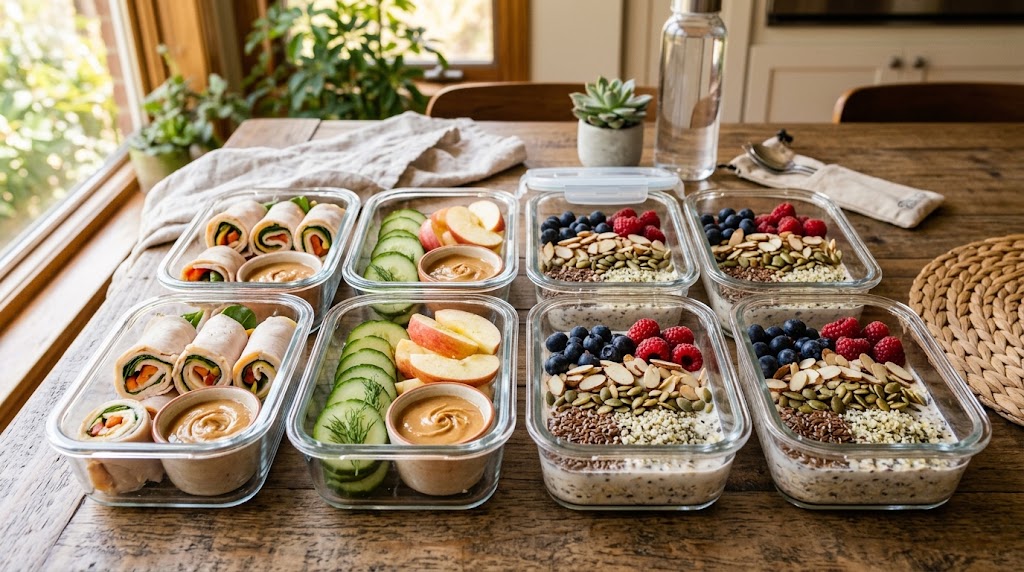
- Turkey & Cheese Roll-Ups: Wrap lean sliced turkey breast around low-fat cheddar cheese and cucumber spears.
- Greek Yogurt Parfaits: Layer plain Greek yogurt with fresh berries and a tablespoon of crushed walnuts.
- Raw Veggies with Herb Dip: Mix Greek yogurt with garlic powder, dill, and lemon juice; serve alongside sliced bell peppers.
- Canned Seafood & Whole Grain Crackers: Pair canned salmon or sardines with whole-grain crispbreads.
- Apple Slices & Natural Nut Butter: Enjoy a crisp medium apple with one tablespoon of natural peanut butter.
- Overnight Oats & Protein Powder: Combine oats, unsweetened almond milk, chia seeds, and half a scoop of whey protein.
- Baked Egg Muffins: Whisk eggs with spinach and bell peppers, bake in a muffin tin, and store for quick mornings.
Common Mistakes When Choosing Weight-Loss Snacks
Even when aiming for the best low-calorie high-protein snacks for weight loss, minor tracking inaccuracies can slow down your progress. Avoid these frequent mistakes:
- Overeating Calorie-Dense Foods: Nuts, seeds, dried fruit, and trail mix are healthy but calorically dense. Eating directly from large bags makes it easy to consume hundreds of extra calories. Use a digital food scale to measure exact portions.
- Consuming Carbs or Veggies in Isolation: Eating plain celery sticks, apples, or rice cakes alone often leaves hunger returning quickly. Always pair carbs or vegetables with lean protein or healthy fats to slow down digestion.
- Ignoring Added Sugars in “Healthy” Snacks: Commercial granola bars, flavored yogurts, and dried fruits frequently hide large amounts of added sugar. Always check the nutrition panel.
- Neglecting Rest and Cortisol Levels: Consistently sleeping less than 6 hours a night increases hunger hormones, making snack cravings much harder to manage.
- Inaccurate Energy Deficit Tracking: If snack calories are unaccounted for, you may accidentally eliminate your target shortfall. Learn how to calculate calorie deficit for fat loss to ensure your snack routine aligns with your goals.

Frequently Asked Questions
1. What should you check before buying packaged snacks?
Examine the serving size, total calories, protein content, dietary fiber, and added sugar content listed on the nutrition facts label.
2. How can you tell if you are experiencing true physical hunger?
Physical hunger develops gradually, causes stomach rumble signals, and is satisfied by whole foods. Emotional cravings appear suddenly and demand specific sweet or salty treats.
3. Why do plain fruits or vegetables sometimes fail to satisfy hunger?
Fibrous fruits and vegetables digest relatively fast when eaten alone. Pairing them with dietary protein or healthy fats slows gastric emptying and extends fullness.
4. Why is eating directly from a snack bag risky for weight loss?
Eating directly from large packaging prevents visual portion awareness, leading to unintentional overconsumption of calorie-dense foods.
5. How can you ensure your snacks support fat loss goals?
Weigh food portions on a digital scale, log snacks in a tracking app, and ensure your daily intake aligns with your overall caloric requirements.