

Determining the best time of day to workout for weight loss can feel confusing with so much conflicting fitness advice online. While choosing an exercise window that fits your personal schedule and daily energy levels supports long-term consistency, physical timing can also influence fat oxidation, workout performance, and sleep quality. In this complete guide, we examine what scientific research says about morning, afternoon, and evening exercise to help you build an effective routine. Read on.
Quick Answer
- Consistency Comes First: There is no single universal time for fat loss; the most effective workout window is the one you can stick with long-term.
- Morning Benefits: Early exercise supports habit formation, boosts daily movement, improves mood, and enhances fasting fat oxidation.
- Afternoon Performance: Core body temperature peaks between 4 PM and 6 PM, resulting in 3% to 5% higher muscle strength and power output.
- Evening Considerations: Evening training supports volume and recovery, but high-intensity workouts within an hour of bedtime may delay sleep onset.
- Target Weekly Volume: Aim for at least 200 minutes of moderate-to-vigorous physical activity every week for continuous progress.
Does the Time You Exercise Affect Weight Loss?
Scientific studies exploring the ideal training schedule reveal nuanced findings rather than a single absolute rule. While research connects different workout times to specific metabolic and physiological shifts, personal habits ultimately dictate long-term success.
Some clinical trials suggest that morning training offers subtle advantages for weight management. Researchers have observed greater overall body fat reduction, smaller waist circumference measurements, and improved calorie awareness in early exercisers. According to physiological data from Harvard Health, timing affects circadian rhythms, hormone production, and appetite regulation.
However, establishing the best time of day to workout for weight loss depends heavily on individual adherence. A routine that seamlessly aligns with your lifestyle promises far better results than a theoretically perfect schedule you struggle to maintain.
Morning vs. Afternoon vs. Evening Workouts: Which Is Better?
Each training window presents distinct physiological advantages and practical trade-offs:
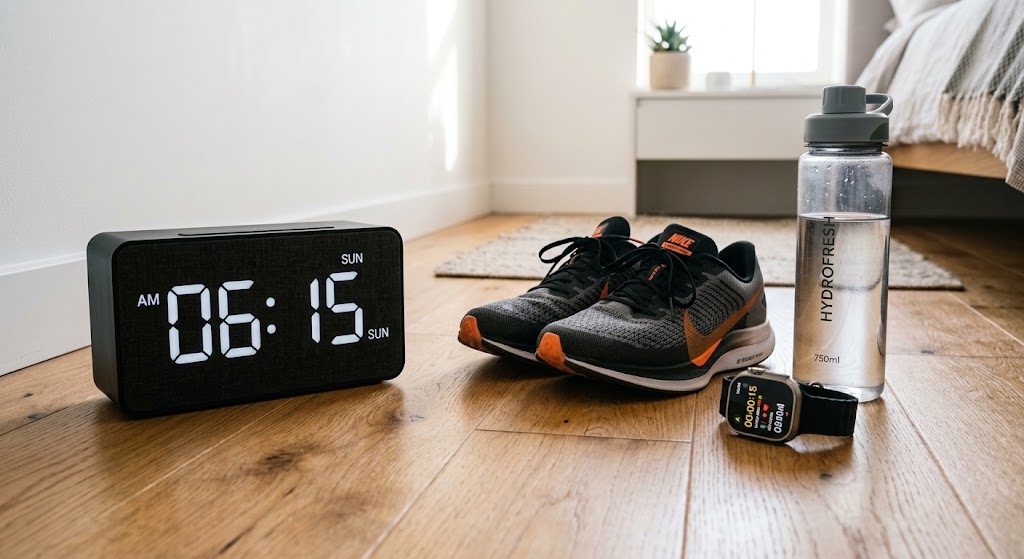
1. Morning Workouts
Exercising before noon often makes habit formation easier. Research indicates that simple morning exercise routines take an average of 106 days to become fully automatic habits. Fasted morning sessions increase the proportion of fat used as immediate fuel during the workout, while reducing ghrelin (the hunger hormone) to support appetite control throughout the day.
Drawbacks: Muscle power and peak strength are typically 3% to 5% lower shortly after waking due to lower core body temperature. Spending 10 to 15 minutes on a dynamic warm-up is essential to reduce injury risk.
2. Afternoon Workouts
Training between 3 PM and 6 PM coincides with peak daily body temperature. Elevated core temperature enhances muscle elasticity, nerve conduction velocity, enzyme activity, and metabolic rate. This time frame allows you to lift heavier weights and complete higher workout volumes compared to early morning sessions.
3. Evening Workouts
Sessions scheduled between 6 PM and 9 PM retain roughly 90% to 95% of afternoon performance benefits. Evening workouts offer a great way to relieve workday stress and allow for longer training sessions. Recent systematic reviews show that evening resistance training can also yield meaningful blood pressure improvements in adults.
Drawbacks: Vigorous exercise completed within 60 minutes of sleep can increase heart rate, delay sleep onset, and lower overall sleep efficiency.
How to Choose the Best Workout Time for Your Routine
Selecting the best time of day to workout for weight loss requires evaluating your daily demands and physiological readiness:
- Select a Maintainable Window: Long-term body recomposition relies on showing up consistently. Pick a time that rarely conflicts with work, family, or social commitments.
- Assess Daily Energy Trends: Track your alertness, focus, and physical energy across different hours for one week to identify your peak performance window.
- Prioritize Workout Quality: High intensity and proper execution matter more than clock time. Pair your training with a balanced diet and an accurate TDEE calculation for fat loss to maximize your results.
Does Exercising in the Morning Burn More Fat?
When searching for the best time of day to workout for weight loss, many people wonder if morning sessions burn more body fat. Training in a fasted state before breakfast relies more heavily on stored fat for fuel because blood glucose and insulin levels are low.
Furthermore, the natural morning surge in cortisol assists in mobilizing stored fatty acids. However, total 24-hour energy expenditure remains relatively equal whether you exercise in the morning or afternoon, provided duration and intensity are identical.
While morning fasting increases fat oxidation *during* the exercise session, overall weight loss still depends on maintaining a consistent caloric deficit across the entire day and week.

Tips to Make Your Workouts More Effective for Weight Loss
Regardless of when you train, apply these proven exercise principles to accelerate fat loss and preserve lean muscle mass:
- Accumulate Weekly Volume: Aim for a minimum of 200 minutes of moderate-to-vigorous exercise each week.
- Start with Compound Movements: Begin your sessions with challenging compound exercises like squats, presses, or rows when energy levels are highest.
- Incorporate Resistance Training: Lift weights or perform progressive bodyweight exercises alongside cardio to keep your metabolic rate high. Follow a structured beginner weight training routine for optimal muscle retention.
- Prioritize Recovery: Allow 24 to 48 hours of rest before retraining the same muscle groups to avoid overtraining.
- Protect Sleep Duration: Sleeping less than 6 hours a night spikes cortisol levels, increases hunger hormones, and slows visual fat loss.
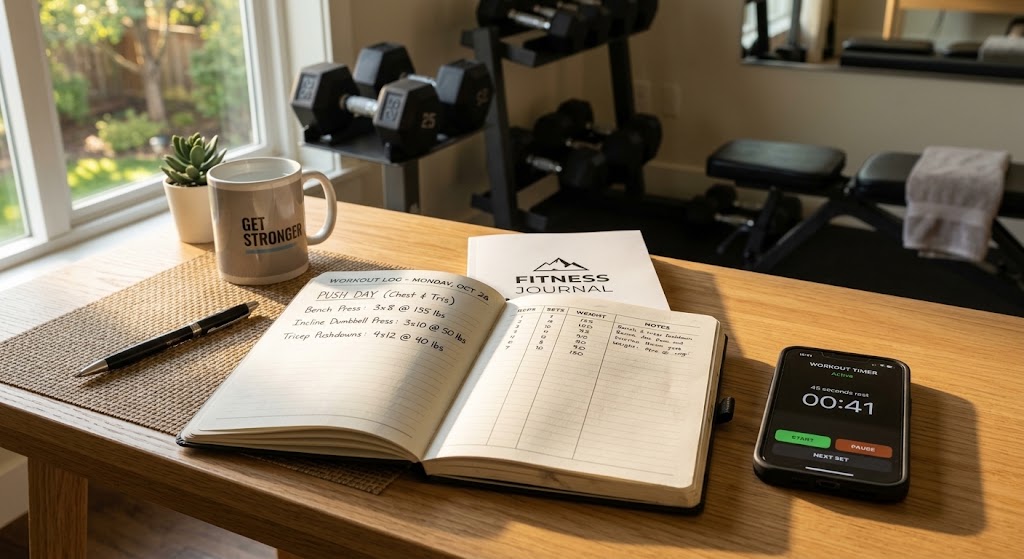
Frequently Asked Questions
1. Can changing my workout time affect my weight loss progress?
Yes. Shifting your workout time can impact your energy levels, strength output, and consistency, which directly influences your total weekly calorie expenditure.
2. Is it safe to do intense workouts in the morning on an empty stomach?
For most healthy adults, light-to-moderate morning workouts on an empty stomach are safe. However, if you experience dizziness or severe fatigue, consume a light carbohydrate snack beforehand.
3. Why does evening exercise sometimes disrupt sleep quality?
High-intensity workouts elevate core body temperature, adrenaline, and heart rate. Exercising too close to bedtime can make it harder for your body to relax and fall asleep naturally.
4. Does daily step count matter as much as structured workout time?
Yes. Non-exercise physical activity (NEAT), such as daily walking and standing, accounts for a significant portion of your total energy burn and strongly supports weight management.
5. Should I stick to the exact same workout time every single day?
While maintaining a regular workout schedule helps build lasting habits, flexibility is key. Adjusting your workout time when life gets busy is far better than skipping your session altogether.