
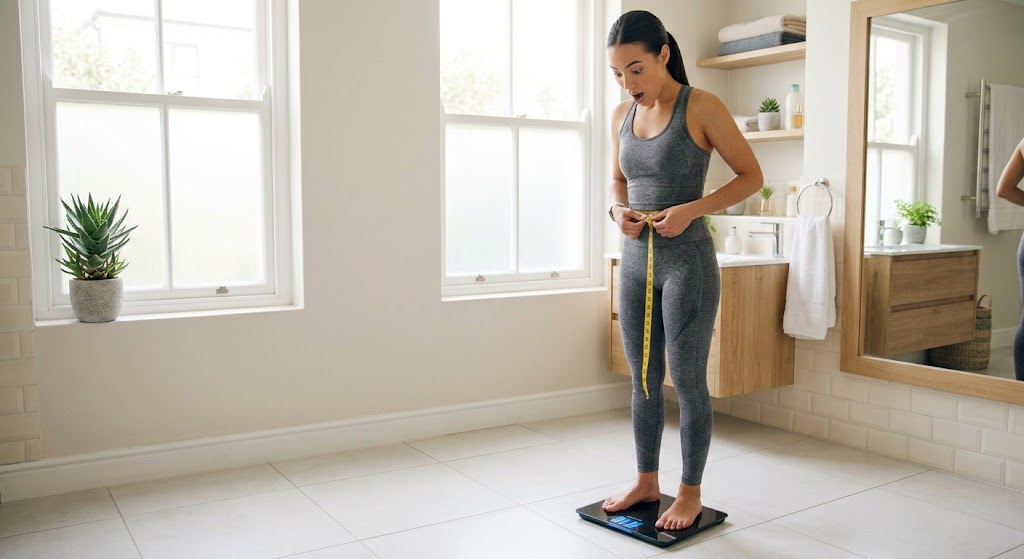
Does the scale keep going up even though you are eating less food? Discovering that you are gaining weight while in a calorie deficit can be confusing and discouraging. In most cases, tracking slip-ups, water retention, muscle building, or hormonal shifts are masking your real fat loss. In this complete guide, you will learn why the scale rises during a diet and how to fix your plan to see real results. Read on.
Quick Answer
- Fix Tracking Slip-Ups: Eyeballing portion sizes, forgetting cooking fats, and overestimating workout burn can eliminate your target deficit.
- Beware of Slow Metabolic Adaptation: Extreme caloric drops trigger adaptive thermogenesis, which slows your basal metabolic rate and halts progress.
- Expect Daily Water Fluctuations: Daily fluid shifts, salt intake, digestive mass, and glycogen stores can cause your scale weight to jump by 1 to 3 kg daily.
- Account for New Muscle Mass: Starting a new workout routine builds dense lean tissue while dropping fat, keeping the scale steady or causing slight weight gain.
- Rule Out Medical Factors: Health conditions like hypothyroidism, PCOS, Cushing’s syndrome, or certain medications can impair metabolic rate and fluid balance.
What Does It Mean to Be in a Calorie Deficit?
A calorie deficit occurs when daily energy consumption falls below total daily energy expenditure. Because your body needs fuel to function, it draws upon stored reserves—primarily body fat—to make up the energy gap.
According to health resources from Harvard Health, your body burns energy through three core processes:
- Resting Metabolic Rate (RMR): Accounts for 60% to 70% of daily energy burn, supporting baseline survival functions like breathing, blood circulation, and tissue repair.
- Physical Activity & NEAT: Includes planned exercise as well as non-exercise activity thermogenesis (NEAT), such as walking, standing, and fidgeting.
- Thermic Effect of Food (TEF): Represents roughly 10% of total burn, spent digesting and absorbing nutrients from meals.
Why Am I Gaining Weight While in a Calorie Deficit?
Scientifically, sustained fat storage is impossible without excess energy. If you are gaining weight while in a calorie deficit, tracking miscalculations or temporary water storage are almost always responsible.
Common Tracking and Metabolic Reasons
- Unrecorded Calorie Intake: Clinical studies indexed by the National Institutes of Health (NIH) highlight that underestimating portion sizes, salad dressings, cooking oils, and casual snacks frequently neutralizes an intended deficit.
- Adaptive Thermogenesis: Cutting food intake too drastically prompts your body to slow its baseline metabolic rate to conserve energy.
- Unconscious Movement Drops: Severe dietary restrictions can cause your body to unconsciously reduce daily fidgeting and casual steps (NEAT), reducing total daily burn.
Health Conditions and Medications
If you suspect underlying issues while gaining weight while in a calorie deficit, consider these medical influences:
- Hypothyroidism: Underactive thyroid production lowers metabolic rate, leading to fluid retention, fatigue, and weight gain.
- Polycystic Ovary Syndrome (PCOS): Insulin resistance associated with PCOS promotes central fat storage and increases cravings.
- Cushing’s Syndrome: High cortisol production leads to rapid weight accumulation around the face, neck, and abdomen.
- Prescription Medications: Certain corticosteroids, antidepressants, and anti-seizure medications list weight fluid retention as a side effect.
Water Retention and Body Composition Shifts
Daily body weight shifts between 1 to 3 kg are completely normal. Heavy strength training creates micro-tears in muscle fibers, causing temporary inflammation and fluid storage that hides fat loss.

Additionally, high sodium intake, increased carbohydrate consumption, stress, and natural hormonal cycles (such as the pre-menstrual luteal phase) lead to fluid accumulation. Starting a new resistance routine can build dense muscle tissue while burning fat, causing the scale to rise while your clothes actually fit better.
Common Calorie Deficit Mistakes to Avoid
Avoid these frequent pitfalls to prevent gaining weight while in a calorie deficit scenario:
- Cutting Calories Too Deeply: Dropping calories below safe limits triggers intense hunger, muscle breakdown, and severe metabolic slowdown. Keep reductions between 10% to 25% below baseline maintenance.
- Neglecting Daily Protein: Skimping on protein causes lean tissue loss and lowers your resting metabolic rate. Eat high-protein foods to preserve muscle.
- Eyeballing Food Portions: Guessing portion sizes or forgetting liquid calories like sweetened coffee drinks will erase your energy gap.
- Overestimating Exercise Calories: Believing fitness wearables that overstate workout burn leads to overeating.
- Weekend Overeating: Strict diet adherence during weekdays followed by unrecorded weekend meals can cancel out your weekly progress.
To set an accurate target, calculate your maintenance baseline using verified guidelines from the Academy of Nutrition and Dietetics before subtracting your deficit.
When Should You Be Concerned About Weight Gain?
If you observe continuous scale increases over several weeks despite accurate food tracking, consult a medical professional. Seek prompt medical care if rapid weight gain is accompanied by leg swelling, facial puffiness, shortness of breath, or severe fatigue.
A physician can evaluate your thyroid function, hormone balance, and current prescriptions to rule out underlying clinical issues.

Frequently Asked Questions
1. What is the thermic effect of food?
The thermic effect of food (TEF) is the energy your body uses to digest, absorb, and process the nutrients in your meals, accounting for about 10% of daily energy burn.
2. How much can body weight naturally fluctuate each day?
Body weight naturally fluctuates by 1 to 3 kg daily due to hydration shifts, bowel activity, glycogen storage, and hormonal cycles.
3. Why do I end up gaining weight while in a calorie deficit when starting a new workout routine?
New exercise routines cause temporary muscle inflammation and fluid retention while building lean muscle tissue. Because muscle is denser than fat, scale weight may temporarily rise.
4. What is NEAT and how does it affect fat loss?
NEAT stands for Non-Exercise Activity Thermogenesis, which includes casual movements like walking, standing, and fidgeting. A drop in NEAT can significantly lower total daily calorie expenditure.
5. How can I confirm I am not gaining weight while in a calorie deficit?
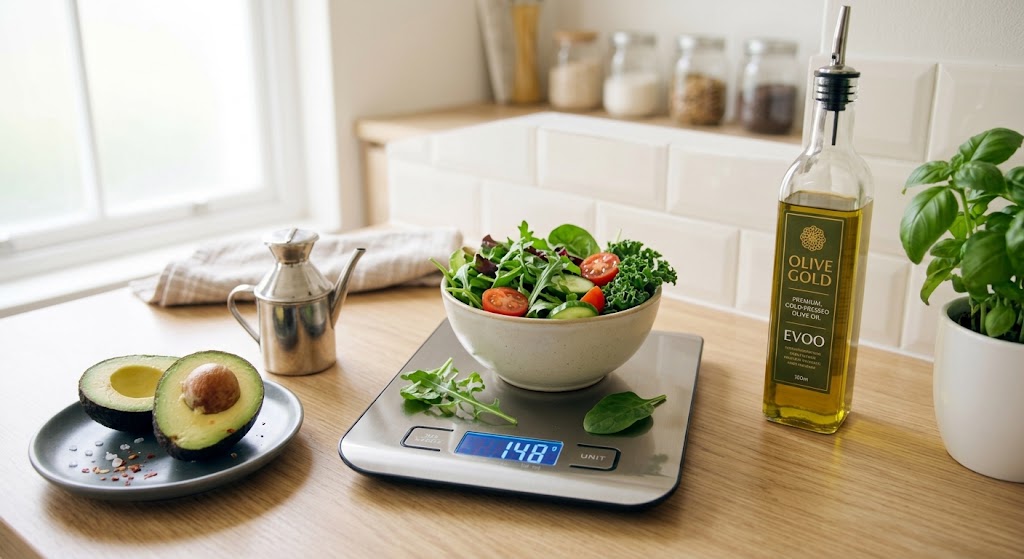
Weigh all meals in grams using a digital food scale, log beverages and cooking oils, and evaluate 7-day scale weight averages alongside waist measurements instead of daily weigh-ins.