
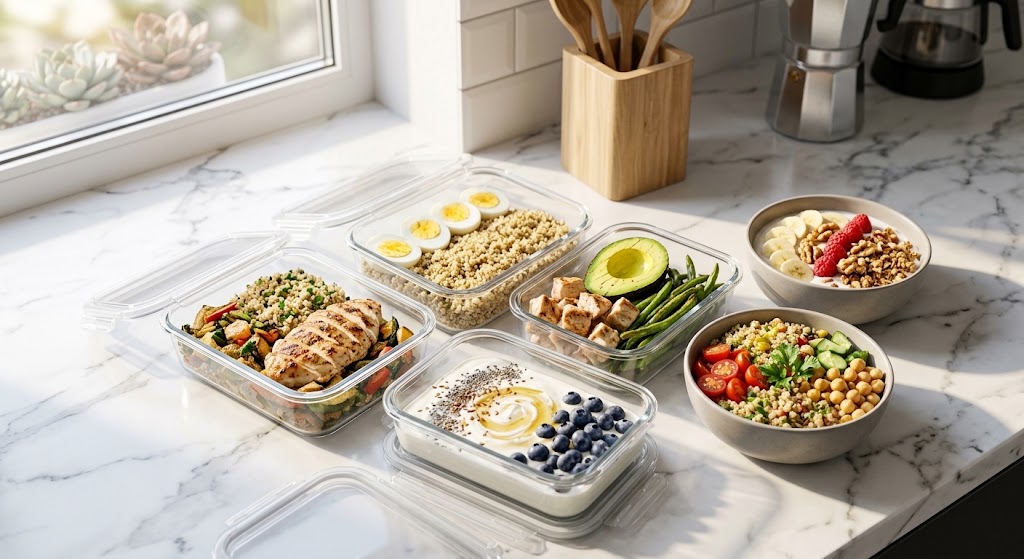
Understanding exactly how much protein do you need to build muscle and lose fat is the foundation of successful body recomposition. Whether you are aiming to increase lean tissue, preserve muscle during a calorie cut, or improve athletic recovery, setting the right intake target makes a massive difference. In this complete guide, you will learn how to calculate your personal targets, distribute your meals efficiently, and choose the best whole food sources. Read on.
Quick Answer
- Daily Targets: Aim for 0.7 to 1.0 grams of protein per pound (1.6–2.2 g/kg) of body weight when engaging in regular strength training.
- Boost Intake During Cutting: Increase protein to 1.0–1.2 grams per pound during a caloric deficit to prevent lean muscle loss.
- Distribute Spacing: Consume 20 to 40 grams of high-quality protein every three to four hours to maximize muscle protein synthesis.
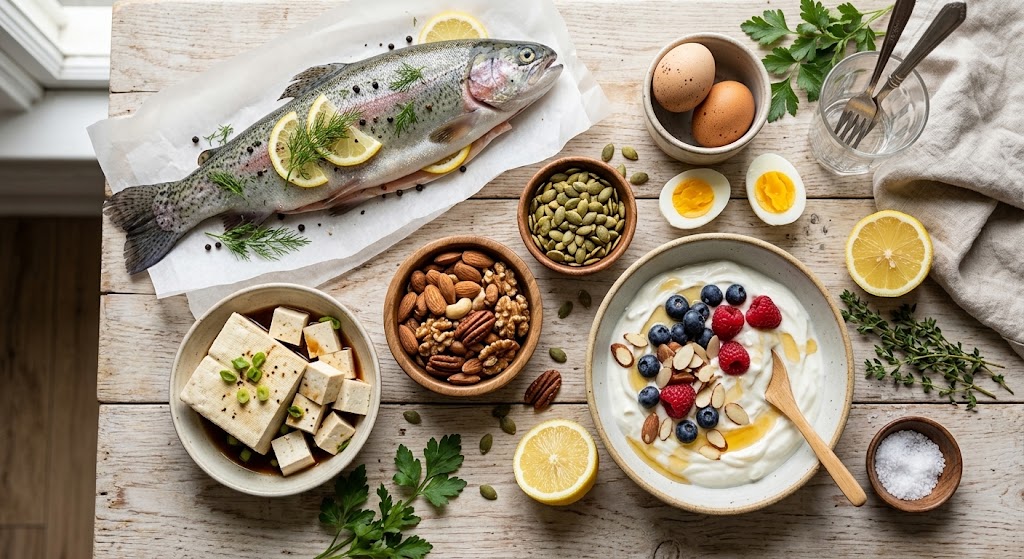
- Prioritize Whole Foods: Build your diet around lean meats, fish, eggs, Greek yogurt, tofu, legumes, nuts, and seeds.
- Track Portions Accurately: Use a digital kitchen scale to measure portion sizes instead of guessing daily intake.
Why Protein Matters for Building Muscle and Losing Fat
Protein plays a dual role in physical recovery and fat reduction. During intense resistance workouts, muscle fibers sustain microscopic tears that require dietary amino acids for repair and adaptation. Without adequate amino acid availability, recovery stalls and training progress slows down.
When asking how much protein do you need to build muscle and lose fat, remember that dietary protein supports Muscle Protein Synthesis (MPS)—the internal process used to rebuild tissue. Furthermore, protein possesses a higher thermic effect compared to fats and carbohydrates, meaning your metabolic system burns more energy digesting and processing it.
Clinical resources from Harvard Health show that maintaining adequate protein during weight loss helps preserve lean metabolic mass, preventing severe drops in baseline resting metabolism.
How Much Protein Do You Need to Build Muscle and Lose Fat?
Your specific daily requirements depend on whether you are prioritizing muscle building in a surplus or protecting lean tissue during a caloric deficit:
Protein Needs for Muscle Growth (Bulking / Maintenance)
Regular resistance training requires consistent amino acid availability to support muscle growth:
- Beginner Lifters (0–1 Year): 0.7–0.8 g/lb (1.6–1.8 g/kg) of body weight daily.
- Intermediate Lifters (1–3 Years): 0.8–1.0 g/lb (1.8–2.2 g/kg) of body weight daily.
- Advanced Lifters (3+ Years): 1.0 g/lb (2.2 g/kg) of body weight daily.

Protein Needs During Fat Loss (Caloric Deficit)
When body energy intake drops, protein demands increase to prevent muscle tissue breakdown. Increasing daily intake to 1.0–1.2 g/lb (2.2–2.6 g/kg) protects your hard-earned lean mass.
For example, a 180-pound lifter should consume roughly 126–144 grams while building muscle, but increase intake to 180–216 grams when cutting fat. If you are significantly overweight, use your estimated Lean Body Mass (LBM) or target goal weight rather than total scale weight to avoid overestimating requirements.
How to Calculate Your Daily Protein Intake
To accurately calculate how much protein do you need to build muscle and lose fat, select an appropriate body weight metric:
- Current Weight: Ideal for individuals at a healthy baseline or those looking to shed minor body fat.
- Goal Weight: Recommended for individuals with more than 40–50 pounds of fat to lose.
- Lean Body Mass (LBM): The most precise metric. Calculate LBM by multiplying total weight by your lean percentage (100 minus body fat percentage).
How to Spread Protein Throughout the Day
Consuming your total intake in a single sitting is far less effective than distributing it evenly. Research material indexed by the National Institutes of Health (NIH) indicates that spreading intake into doses of 20 to 40 grams every 3 to 4 hours optimizes muscle protein synthesis.
To establish a simple daily structure:
- Determine your total daily target based on body weight.
- Divide that target evenly across 3 to 5 planned meals.
- Include a leucine-rich source (like eggs, whey, or dairy) within 2 hours of waking to break overnight catabolism.
- Consume a moderate serving of slow-digesting protein (like casein or Greek yogurt) before bed to supply amino acids while sleeping.
Best Protein Foods for Muscle Gain and Fat Loss
Combining varied animal and plant-based whole foods ensures you receive essential amino acids along with micronutrients:
Animal-Based Protein Sources
- Poultry & Lean Meats: Skinless chicken breast and turkey provide high leucine levels for muscle repair.
- Seafood: Salmon, tuna, and snapper offer complete protein paired with healthy omega-3 fatty acids.
- Eggs & Dairy: Whole eggs, egg whites, and plain nonfat Greek yogurt supply high biological value protein without extra sugars.
Plant-Based Protein Sources
- Soy Products: Tofu, tempeh, and edamame provide complete plant-based amino acid profiles.
- Legumes & Grains: Black beans, lentils, and quinoa deliver fiber alongside protein to enhance fullness during a caloric deficit for fat loss.
- Nuts & Seeds: Chia seeds, pumpkin seeds, and almonds add healthy fats and minerals to meals.
Common Protein Mistakes That Can Slow Your Progress
Even if you know how much protein do you need to build muscle and lose fat, these common mistakes can hold back your results:
- Over-Relying on Protein Shakes: Shakes are convenient, but whole foods provide essential dietary fiber, healthy fats, and key micronutrients.
- Ignoring Post-Workout Recovery: Delaying protein intake for many hours after intense beginner weight training routines can slow recovery times.
- Overlooking Digestive Issues: If certain powders cause bloating, switch to whey isolate or plant-based blends containing digestive enzymes.
- Neglecting Rest and Sleep: Sleeping less than 6 hours a night impairs recovery hormones and elevates muscle breakdown risks.
Frequently Asked Questions
1. What should you do if your protein target feels difficult to reach?
Divide your daily intake into smaller portions across 4 to 5 meals. Adding high-protein snacks like Greek yogurt, boiled eggs, or a quality protein scoop makes targets easier to hit.
2. Can protein intake change when your workout routine changes?
Yes. If workout volume or intensity increases, or if you enter a stricter caloric deficit, your daily protein intake should be adjusted upward.
3. How can you tell whether your protein portions are accurate?
Weigh uncooked or cooked portions on a digital food scale and log them in a nutrition tracking app rather than estimating portion sizes by eye.
4. What can you do if a protein food causes bloating?
Switch your primary protein source. If dairy or whey concentrate causes distress, opt for whey isolate, egg white protein, or hypoallergenic plant-based sources.
5. Why is it useful to include different types of protein foods?
Eating a variety of protein sources ensures you get a full spectrum of amino acids, vitamins, minerals, and healthy fats necessary for long-term health.