
Sweet cravings can make it challenging to enjoy your favorite treats without feeling guilty or eating more than intended. Fortunately, restrictive dieting is not required to maintain your fitness progress. By making strategic adjustments to your daily nutrition and eating habits, you can learn how to manage sweet cravings without cutting out dessert while enjoying sweets in a healthy, sustainable way. Read on.
Quick Answer
- Eat Balanced Meals: Include adequate lean protein, fiber, whole grains, and healthy fats in every main meal to stabilize blood sugar and reduce sweet cravings.
- Identify Core Triggers: Determine whether sugar urges are driven by physical hunger, daily stress, boredom, poor sleep, or emotional eating habits.
- Practice Portion Control: Enjoy small portions of your favorite desserts rather than eliminating sweets completely or feeling guilty after eating them.
- Eat Mindfully: Slow down while eating dessert and plan your treats ahead of time to maximize satisfaction and avoid mindless overeating.
- Optimize Lifestyle Habits: Prioritize quality sleep, proper hydration, regular physical activity, and nutrient-dense alternatives like fresh fruit or dark chocolate.
Why Do You Crave Sweets So Often?
Sweet cravings stem from a combination of physiological and psychological factors, including blood sugar dips, elevated stress levels, boredom, sleep deprivation, and ingrained daily habits. Understanding what drives these urges is the first step when learning how to manage sweet cravings without cutting out dessert.
Physical Hunger and Skipped Meals
Skipping meals or drastically restricting calorie intake creates severe energy dips. When your body demands quick fuel, it naturally pushes you toward sugar and refined carbohydrates. Completely banning sweets often triggers strong psychological deprivation, which frequently leads to evening binge eating. Consistently fueling your body with balanced meals prevents these intense survival-driven sugar urges.
Stress, Mood, and Emotional Triggers
Several underlying lifestyle factors directly influence sugar cravings:
- Stress and Cortisol: Elevated stress levels raise ghrelin (the hunger hormone) while seeking sugar-rich foods to trigger temporary serotonin and dopamine releases.
- Boredom and Habits: Eating sweets while watching television or working often becomes an automatic neural response rather than a physical hunger cue.
- Sleep Deprivation: Poor sleep impairs brain reward centers, making high-calorie sugary foods much more appealing when fatigue sets in. Check our guide on sleeping less than 6 hours a night to understand how fatigue impacts appetite hormones.
- Hormonal Fluctuations: Shifts in estrogen and progesterone during menstrual cycles frequently trigger intense chocolate and sugar cravings.
- Dopamine & Artificial Sweeteners: High sugar intake stimulates dopamine pathways, reinforcing sweet preferences over time. Overusing artificial sweeteners may also keep your taste buds accustomed to extreme sweetness, increasing real sugar desires.

How to Manage Sweet Cravings Without Cutting Out Dessert
You do not need to eliminate sugar completely to achieve your health goals. Implementing simple meal adjustments, portion strategies, and mindful eating habits will allow you to enjoy dessert guilt-free.
1. Eat Balanced Meals That Keep You Satisfied
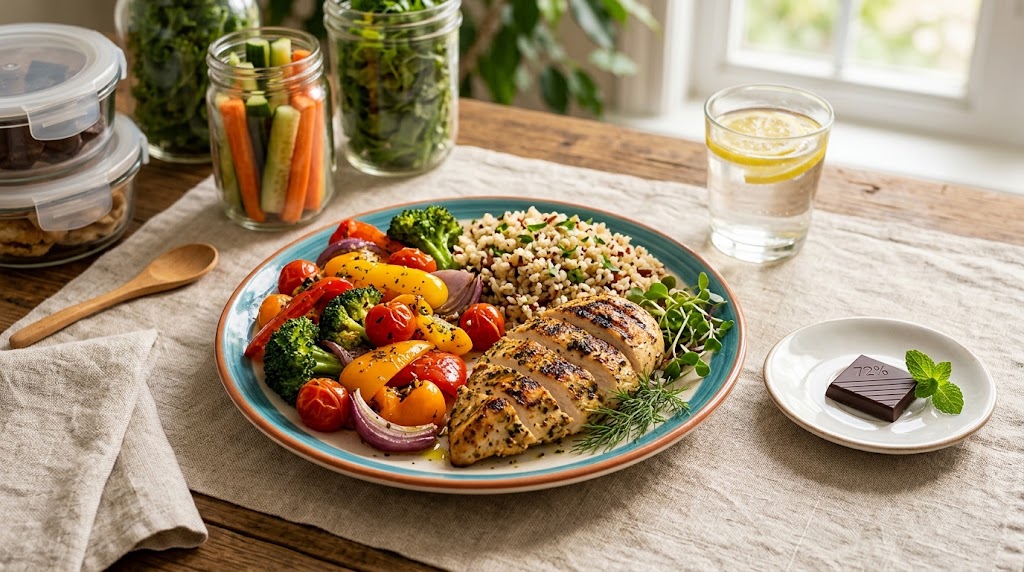
Build every main meal around quality protein, complex carbohydrates, and healthy fats. Pairing these macro-nutrients slows down digestion, prevents rapid blood sugar spikes, and maintains fullness. If you struggle with meal structure, review our budget-friendly high-protein meal options to keep your appetite stable throughout the day.
2. Keep Your Favorite Desserts in Your Plan
Strictly banning treats usually increases cravings. Make a list of your favorite sweets and schedule when to enjoy them. For instance, start by planned dessert servings twice a week, assessing how your body responds without feeling restricted.
3. Choose Portions That Feel Satisfying
Managing cravings is about moderation rather than volume. Enjoying a small slice of cake, a individual pastry, or sharing a larger dessert with a friend provides satisfaction without exceeding your daily energy targets. Learn how to align your treats with your energy needs by learning how to calculate calorie deficit for fat loss accurately.
4. Eat Dessert Mindfully
Avoid eating sweets while multi-tasking or watching screens. Sit down, remove distractions, slow down, and savour every bite. Mindful consumption increases psychological satisfaction, helping you feel content with smaller portions.
5. Find Alternatives Without Forcing Substitutions
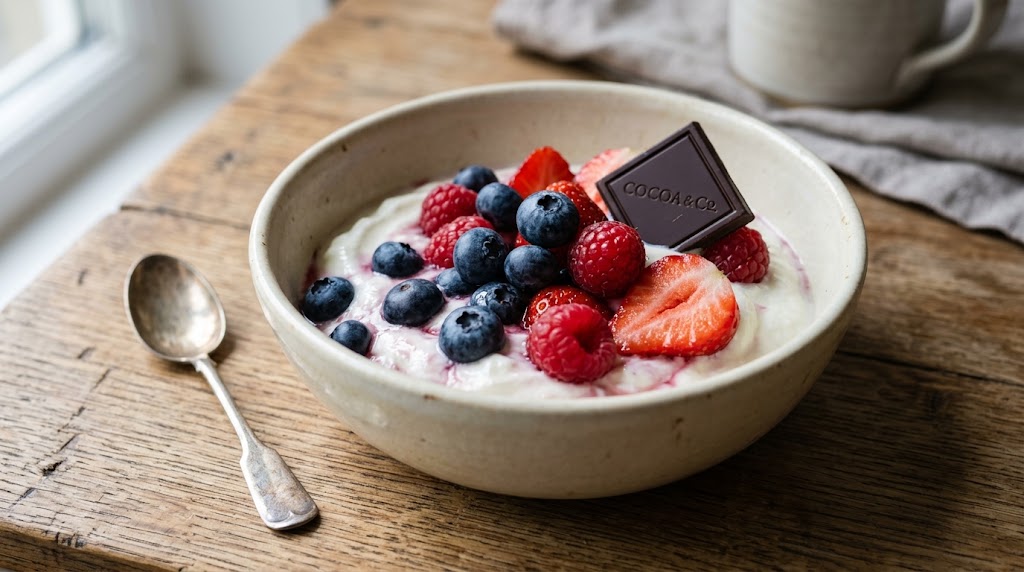
When you want a lighter sweet option, try fresh berries with Greek yogurt, frozen banana ice cream, or a small square of dark chocolate. While whole foods are great options, never force a substitute if you truly want a real dessert—simply enjoy a small portion of the real thing.
How to Handle Sweet Cravings in Different Situations
When You Crave Sweets After Dinner
Post-dinner sugar urges are often caused by blood sugar drops following carb-heavy meals, habitual routines, or a desire for a dopamine release before bed.
- Include sufficient protein and fiber in your dinner to stabilize post-meal blood sugar levels.
- Pair small sweet treats with nutrient-dense foods, such as dipping fresh fruit in dark chocolate.
- Sip warm herbal tea or lemon water immediately after dinner to signal the end of the meal.
When You Crave Sugar During Stress or Boredom
Stress and boredom prompt sugar cravings because sweet foods temporarily boost serotonin and endorphins.
- Change your physical surroundings by taking a quick 10-minute walk outside.
- Engage in stress-relieving activities like deep breathing, light stretching, or calling a friend.
- Keep high-calorie sweet snacks out of direct sight and stock up on fresh fruit or raw nuts.
When Sweet Cravings Hit Between Meals
Going too long between meals causes blood sugar dips that fuel sugar urges.
- Space balanced meals every 3 to 5 hours to prevent extreme hunger.
- Keep portion-controlled healthy snacks like Greek yogurt, berries, or seeds readily available.
- Stay hydrated by drinking water throughout the day, as mild dehydration is frequently mistaken for sugar cravings.
Common Mistakes to Avoid When Managing Sugar Cravings
When learning how to manage sweet cravings without cutting out dessert, avoid these frequent pitfalls to build a sustainable relationship with food:
- Banning All Sugar: Complete elimination increases feelings of deprivation, making long-term consistency nearly impossible.
- Relying Solely on Willpower: Cravings are physiological signals driven by fatigue, stress, or hunger. Address the root cause rather than trying to overpower it.
- Skipping Meals to Save Calories: Undereating during the day leads to extreme evening hunger, making high-sugar foods irresistible.
- Neglecting Key Exercise Habits: Pairing balanced nutrition with a structured beginner weight training routine improves insulin sensitivity, helping your body utilize carbohydrates far more efficiently.
- Feeling Guilty About Eating Sweets: Consuming dessert is not a failure. Enjoying planned treats without guilt promotes a healthy relationship with food.
- Changing Everything at Once: Focus on making gradual adjustments rather than overhauling your entire diet overnight.

Frequently Asked Questions
1. Can you eat dessert every day and still stay healthy?
Yes. As long as your overall diet consists primarily of whole foods, lean proteins, vegetables, and fiber, enjoying a small portion-controlled dessert daily can fit into a healthy lifestyle.
2. How can I stop craving sweets late at night?
Ensure you eat sufficient protein and fiber during dinner so you do not go to bed physically hungry. Establishing a relaxing bedtime routine and managing stress levels also significantly reduces late-night cravings.
3. Does cutting out sugar completely make cravings worse?
For most people, yes. Completely banning sugar creates a psychological restriction mindset, which often leads to intense cravings and eventual binge eating episodes.
4. What should I eat when a sweet craving hits?
You can choose a nutrient-dense option like fresh fruit, Greek yogurt with honey