
Trying to lose belly fat without going to the gym can feel challenging if you prefer working out at home or have a busy routine. Fortunately, sustainable visceral fat reduction depends heavily on daily physical movement, balanced nutrition, and lifestyle consistency rather than expensive gym memberships. In this comprehensive guide, you will discover how to create a manageable calorie deficit, incorporate bodyweight exercises, and optimize sleep to reach your goals. Read on.
Quick Answer
- Increase Daily Movement: Boost daily walking steps and reduce long periods of sitting to elevate your base energy expenditure.
- Manage Caloric Intake: Create a sustainable daily calorie deficit by prioritizing whole foods rich in high-quality protein and dietary fiber.
- Perform Home Strength Moves: Practice simple bodyweight exercises like chair dips and wall push-ups at least twice weekly.
- Adopt Mindful Eating: Eat slowly, manage meal portion sizes, and minimize sugary beverages and ultra-processed snacks.
- Optimize Rest & Stress: Aim for 7 to 9 hours of quality sleep nightly while managing cortisol through daily mindfulness.
How to Lose Belly Fat Without Going to the Gym Through Daily Movement
When learning how to lose belly fat without going to the gym, focusing on non-exercise activity thermogenesis (NEAT) is one of the most effective strategies. Increasing incidental movement burns calories continuously without requiring exhausting workout sessions.
1. Make Walking Part of Your Daily Routine
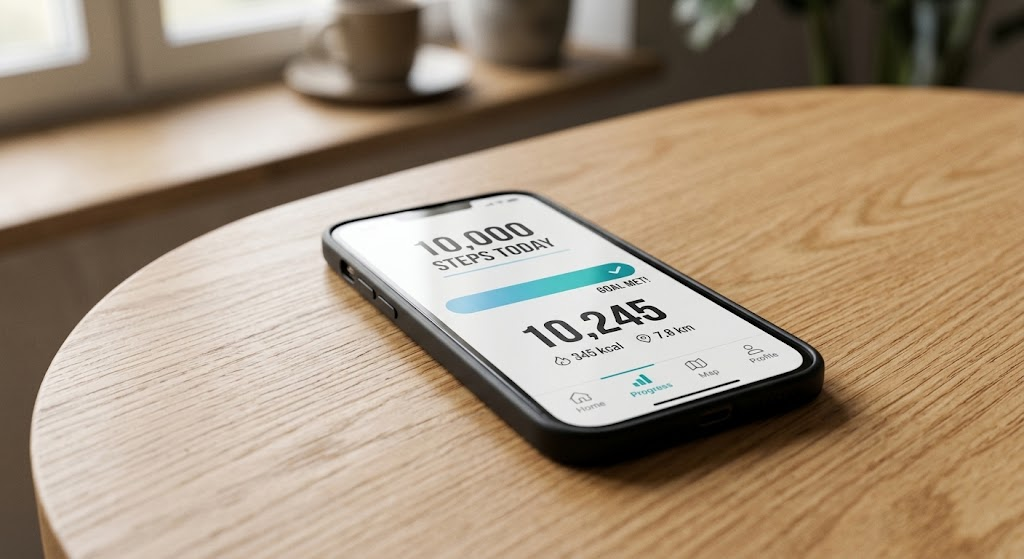
Walking is a low-impact activity that easily fits into daily life. Try pacing during phone calls or scheduling daily neighborhood walks. Clinical findings hosted by the National Institutes of Health (NIH) show that individuals who achieve 10,000 daily steps while maintaining a moderate energy deficit experience significant reductions in abdominal visceral fat.
2. Break Up Prolonged Sitting
Continuous sitting slows metabolic rate and lowers lipid processing. Stand up during work breaks, stretch, or take short two-minute walks every hour to sustain continuous baseline calorie burning.

Create a Calorie Deficit Through Your Diet
Establishing an energy gap remains fundamental to any weight management plan. Reducing your intake by 250 to 500 calories daily allows steady, long-term fat reduction without triggering extreme hunger pangs.
Prioritize Protein and Dietary Fiber
Consuming adequate protein safeguards lean muscle tissue and increases satiety. Pair lean protein sources with high-fiber foods such as vegetables, legumes, and whole grains. According to nutrition evidence from the Academy of Nutrition and Dietetics, fiber adds dietary bulk, slowing digestion and suppressing hunger signals naturally.
Manage Portions and Unmeasured Calories
Hidden calories in cooking oils, salad dressings, coffee screen syrups, and casual snacks can quietly cancel your energy deficit. Measuring ingredients with a digital food scale reveals true intake and prevents unintended overeating.
Do Simple Strength Exercises at Home
You can effectively lose belly fat without going to the gym by practicing basic bodyweight strength movements at home. Muscle tissue burns energy at rest, helping maintain metabolism during weight loss.
Incorporate these simple movements into your weekly routine:
- Heel Raises: Lift onto your toes slowly to strengthen calf muscles and improve lower leg stability.
- Chair Sit-to-Stands: Stand up from a firm chair and lower yourself back down slowly without using your hands.
- Standing Side Leg Lifts: Raise one leg sideways to 30 degrees to engage hip stabilizers and outer glutes.
- Split Squats: Step one foot back and drop your hips vertically while keeping your torso upright.
- Glute Bridges: Lie on your back, bend your knees, and drive through your heels to raise your hips.
- Chair Dips: Place your hands on a stable chair edge and lower your body using arm strength.
- Wall Push-Ups: Lean against a wall and press your upper body outward in a controlled rhythm.
Public health guidelines suggest doing strength work at least twice weekly with rest days in between. Perform 8 to 15 controlled repetitions per movement, breathing out during exertion.
Make Everyday Eating Habits More Fat-Loss Friendly
Long-term success relies on establishing healthy eating patterns rather than following temporary restrictive fad diets:
- Start with a Satiating Breakfast: Begin your morning with water and a protein-rich meal like eggs or Greek yogurt to stabilize blood glucose.
- Practice Mindful Eating: Remove screen distractions during mealtime and chew slowly to recognize fullness cues early.
- Build Balanced Meals: Combine lean proteins, healthy fats, and whole grains—such as salmon with quinoa or lentil soup with fresh greens.
- Minimize Processed Snacks: Swap commercial chips for fresh fruit, nuts, or seeds to reduce empty calorie consumption.
Improve Sleep and Manage Stress
Getting 7 to 9 hours of restful sleep nightly supports essential metabolic hormones. Research highlighted by Harvard Health indicates that sleep deprivation alters leptin and ghrelin balances, spiking food cravings for dense carbohydrates.
In addition, chronic emotional stress raises circulating cortisol levels. High cortisol encourages visceral fat deposition around the abdomen and triggers emotional eating. Manage daily stress through simple breathing techniques, evening stretching, or brief meditation sessions.
Common Mistakes to Avoid When Trying to Lose Belly Fat at Home
Avoid these common missteps to ensure continuous physical progress:
- Relying Solely on Scale Weight: Scale fluctuations reflect water retention and digestion changes. Use a waist measuring tape and monthly progress photos to track real fat loss.
- Skimping on Protein Intake: Skimping on protein causes muscle loss and reduces fullness after meals.
- Neglecting Resistance Training: Omitting strength work reduces lean tissue, which can lower resting metabolic expenditure.
- Relying on “Diet” Foods: Commercial low-fat snacks often contain high added sugar content that increases total caloric intake.
- Ignoring Sleep and Recovery: Sleeping less than 6 hours a night raises stress hormones, increasing fluid retention and disguising physical changes.
How Long Does It Take to See Results?
The timeline for visible fat loss varies based on starting weight, adherence, and baseline metabolism. Generally, progress follows two stages:
- Initial Phase (Weeks 1–4): Early weight reduction mostly reflects reduced fluid retention, glycogen depletion, and gastrointestinal contents.
- Sustained Fat Loss Phase (Weeks 5+): True adipose tissue reduction occurs steadily at a healthy rate of 1 to 2 pounds weekly.
Consistency over time is crucial. You may notice subtle clothing changes after 4 weeks, while visual shifts become obvious to others after 8 to 12 weeks of structured effort.
Frequently Asked Questions
1. Can I lose belly fat without going to the gym or following a strict diet?
Yes. Creating a moderate daily calorie deficit, increasing walking steps, and making sustainable whole-food dietary adjustments leads to progressive fat loss without rigid diet plans.
2. What should I do if my weight stays flat but my body shape changes?
This indicates body recomposition—losing fat while retaining lean tissue. Rely on waist circumference measurements, clothing fit, and progress photos rather than scale weight alone.
3. How can I uncover hidden calories in my daily diet?
Log all meals, snacks, cooking oils, coffee creamers, and sauces in a food tracking app using a digital kitchen scale for two weeks.
4. What can I do if eating in a deficit causes constant hunger?
Increase your intake of high-volume, low-calorie foods rich in dietary fiber and lean protein, such as leafy greens, legumes, cruciferous vegetables, and skinless poultry.
5. How can I lose belly fat without going to the gym when progress slows?
Audit your portion accuracy, ensure daily step targets remain steady, manage stress levels, and slightly reduce intake by 100 to 200 calories if weight stalls for over 3 weeks.