

When comparing strength training vs cardio for fat loss, many fitness enthusiasts struggle to decide which workout style yields faster results. While cardio burns significant energy during your workout, lifting weights preserves lean muscle mass and elevates your long-term metabolic rate. In this complete guide, you will learn how each exercise method impacts body composition, which one to prioritize, and how to structure your weekly routine for optimal fat loss. Read on.
Quick Answer
- Combine Both Methods: Integrating resistance training and aerobic exercise protects muscle tissue while maximizing overall calorie expenditure.
- Prioritize Dietary Control: Creating a calorie shortfall through nutrition is far easier than trying to burn off excess calories through exercise alone.
- Build Lean Tissue: Resistance training preserves lean muscle mass, increases strength, and improves resting metabolic function.
- Burn Active Calories: Cardio elevates your heart rate, enhances cardiovascular endurance, and aids in shedding body fat.
- Lift First, Cardio Second: When combining both in a single workout session, perform strength exercises first to maintain lifting power and technical form.
How Exercise Helps With Fat Loss
In the debate regarding strength training vs cardio for fat loss, managing overall energy balance remains fundamental. Physical activity boosts energy output, making it much easier to sustain the required energy gap.
The Role of a Calorie Deficit
Effective weight reduction combines consistent exercise with controlled caloric intake. Clinical health guidelines recommend establishing a daily deficit of 500 to 750 calories to promote a sustainable fat loss rate of 1 to 1.5 pounds per week. To calculate your specific baseline targets, you can easily calculate calorie deficit for fat loss before starting a new routine.
Why Body Composition Matters
Losing weight through severe dieting without physical exercise leads to muscle degradation and decreased bone density. Combining resistance exercises with aerobic work protects lean mass, ensuring that weight loss comes primarily from fat stores rather than muscle tissue.
Key Differences: Strength Training vs Cardio for Fat Loss
Understanding how resistance work and cardio differ helps you structure a more effective routine:
- Calorie Burn Dynamics: Cardio burns more calories per minute during the workout itself. Resistance training triggers Excess Post-Exercise Oxygen Consumption (EPOC), keeping your metabolism elevated for hours after training ends.
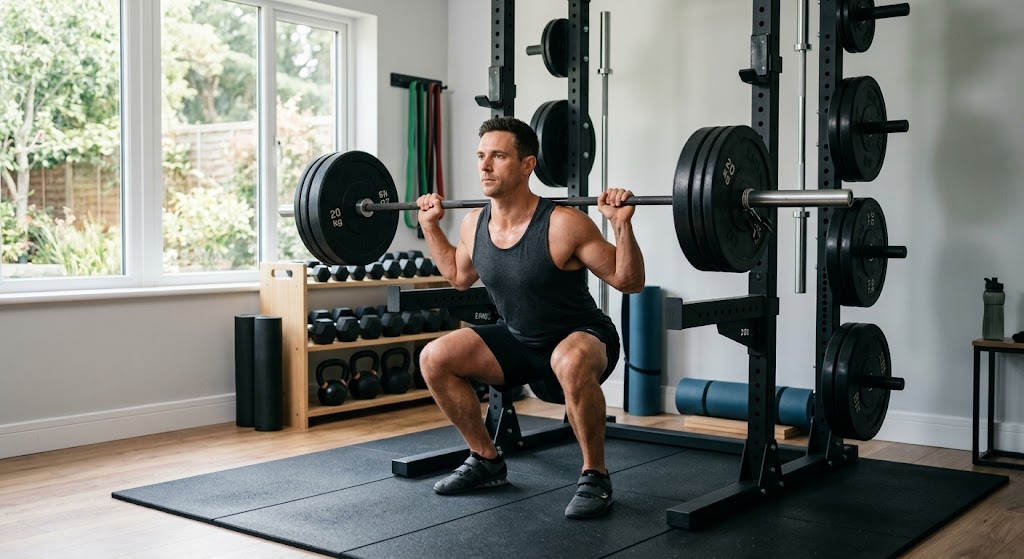
- Muscle Preservation: Lifting weights provides the stimulus required to retain and build lean muscle tissue. Compound movements like squats, deadlifts, and overhead presses engage multiple muscle groups simultaneously.
- Long-Term Health Benefits: Weightlifting strengthens bones, joints, and connective tissues. Aerobic exercise strengthens the heart and lungs, improves stamina, and helps manage daily stress levels.
Benefits of Strength Training for Fat Loss
When analyzing strength training vs cardio for fat loss, weightlifting offers distinct metabolic advantages:
- Preserving Lean Muscle: Consuming fewer calories can prompt the body to break down muscle tissue for energy. Heavy resistance training signals your body to retain muscle, forcing it to burn stored body fat instead.
- Improving Body Composition: Muscle tissue is denser than fat tissue. As you replace fat with lean muscle mass, your waistline shrinks and your body looks noticeably firmer, even if the scale weight changes slowly.
- Elevated Resting Metabolism: Muscle tissue requires more energy to maintain than fat tissue at rest. Building muscle increases your baseline daily caloric burn.
If you are training at home, following a structured full body home workout routine is an excellent way to build strength without expensive gym equipment.
Benefits of Cardio for Fat Loss
Cardiovascular exercise remains a powerful tool for accelerating caloric expenditure and supporting organ health:
- High Active Energy Expenditure: Activities like brisk walking, running, cycling, and swimming burn substantial calories during active movement.
- Targeting Visceral Fat: Studies show that regular aerobic exercise helps reduce deep visceral fat around internal organs, even before significant weight changes appear on the scale.
- Heart and Respiratory Fitness: Health organizations recommend getting at least 150 minutes of moderate cardio or 75 minutes of vigorous aerobic activity weekly to support heart health.

Should You Do Cardio or Strength Training First?
When evaluating strength training vs cardio for fat loss in a single workout session, exercise order significantly impacts performance quality:
- Maintains Lifting Power: Starting with strength training allows you to lift heavier weights with proper technique while your nervous system is fresh.
- Reduces Perceived Exertion: Performing intense cardio prior to weightlifting causes central fatigue, making subsequent lifts feel much harder and increasing injury risks.
- Optimizes Overall Workout Quality: Resistance training requires high mental focus and explosive power. Saving cardio for the end ensures you maximize muscle retention benefits first.

Which Is Better for Fat Loss: Strength Training or Cardio?
Neither exercise method is inherently “better” on its own—they serve complementary roles in a complete fitness routine. Cardio provides an efficient way to burn calories rapidly, while strength training protects your metabolism and reshapes your physique.
For the best fat loss results, aim for 2 to 4 full-body strength sessions per week combined with 150 minutes of low-to-moderate intensity cardio (such as daily brisk walking). Additionally, ensuring you are not sleeping less than 6 hours a night will keep cortisol levels low and aid muscle recovery.
Frequently Asked Questions
1. What does EPOC mean in strength training?
EPOC stands for Excess Post-Exercise Oxygen Consumption. It refers to the elevated calorie burn that occurs after an intense workout as your body restores oxygen levels and repairs muscle tissue.
2. What is visceral fat and why does cardio help?
Visceral fat is the internal fat stored around abdominal organs. Regular cardiovascular exercise is particularly effective at reducing visceral fat stores, improving cardiovascular health.
3. What are compound exercises?
Compound exercises are multi-joint movements that engage several major muscle groups at once. Examples include squats, deadlifts, push-ups, and bench presses.
4. What does RPE mean during exercise?
RPE stands for Rate of Perceived Exertion, a scale used to measure how difficult a workout feels physically. Performing heavy cardio first increases your RPE during weightlifting.
5. Can strength training make clothes fit better without scale changes?
Yes. Because muscle takes up less physical space than fat, gaining muscle while losing fat decreases your overall body measurements even if scale weight remains constant.