
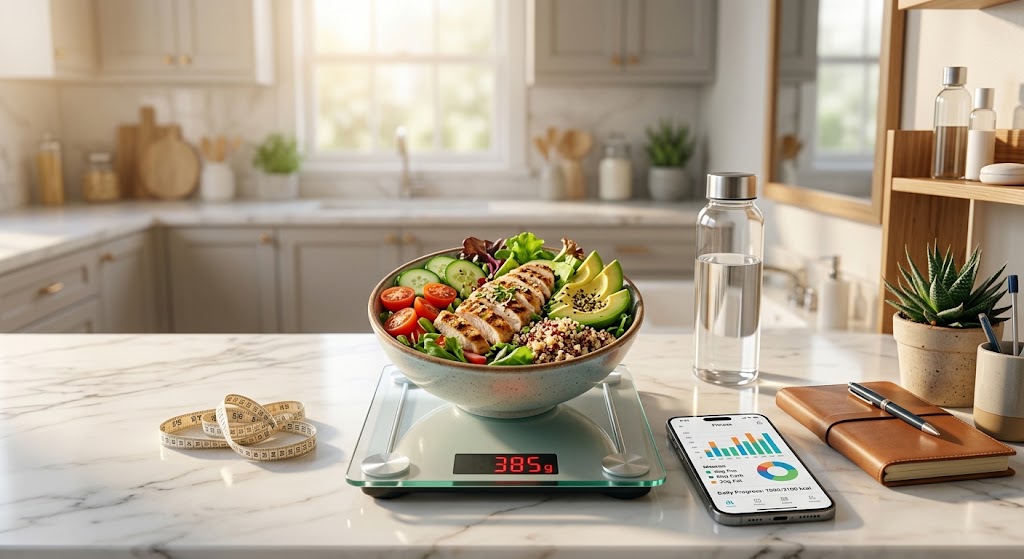
To understand why weight fluctuates during a fat loss journey, you must look beyond single daily numbers on the scale. Seeing your body weight shift up or down unpredictably can be extremely frustrating, but short-term scale changes rarely mean you have gained actual fat. In this guide, you will learn the exact biological causes behind scale spikes, how to measure true progress, and how to track results without stress. Read on.
Quick Answer
- Daily Variations Are Normal: Expect daily scale shifts caused by fluid retention, un-digested food volume, bowel movements, and workouts.
- Control Weigh-In Conditions: Step on the scale first thing in the morning after using the bathroom, before eating or drinking.
- Log Without Emotion: Treat daily scale readings as raw data points and compare 7-day weekly averages rather than day-to-day changes.
- Track Non-Scale Victory Metrics: Measure waist circumference, monitor body composition trends, and take progress photos when scale weight stalls.
- Allow Time for Patterns: Track your numbers over 3 to 4 consecutive weeks to identify regular cyclical shifts and judge your overall trajectory.
Why Weight Fluctuates During a Fat Loss Journey: Primary Causes
Understanding why weight fluctuates during a fat loss journey starts with recognizing how dynamically the human body manages water, digestion, and fuel storage. Short-term weight changes are rarely caused by rapid shifts in fat tissue.
1. Carbohydrates and Water Weight Storage
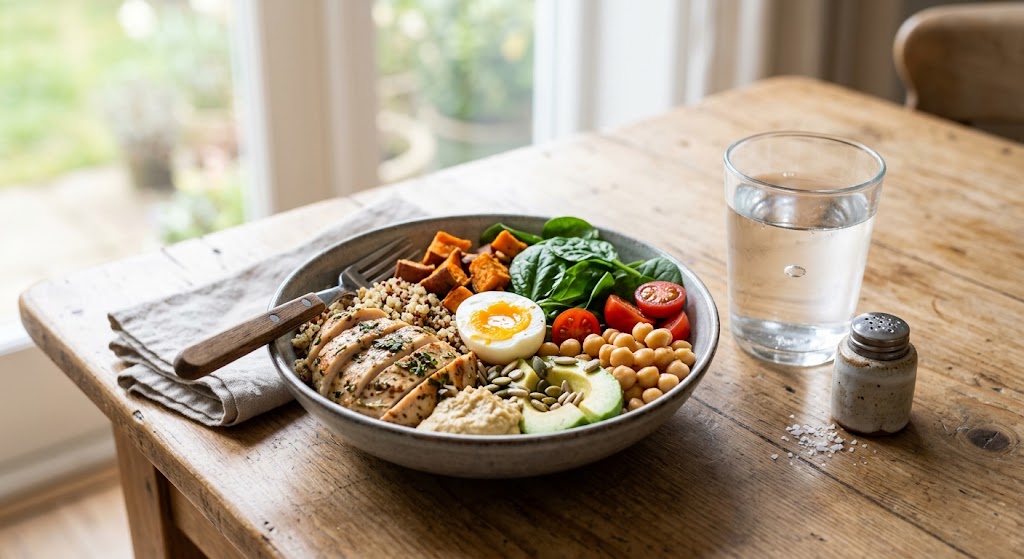
Carbohydrate consumption directly impacts fluid levels. Clinical studies indexed by the National Institutes of Health (NIH) show that the body stores approximately three to four grams of water alongside every gram of stored glycogen. Eating a high-carb meal temporarily increases stored water weight, causing a sudden spike on the scale without adding fat.
2. Food Volume and Digestinate Weight
Everything you consume carries physical mass. Eating heavy fiber, large physical meals, or drinking liquids temporarily adds weight until digestion and elimination are complete. Weekend meals or late dinners keep food volume in your digestive system longer, elevating morning scale numbers.
3. Digestion and Bowel Regularity
Irregular bowel movements or constipation cause temporary weight buildup. Additionally, consuming alcohol can slow digestive processes, elevate systemic inflammation, and cause notable water retention for 24 to 48 hours.
Reasons Why Weight Fluctuates During a Fat Loss Journey Unexpectedly
When tracking progress, seeing a higher number can feel discouraging. Examining why weight fluctuates during a fat loss journey reveals several temporary reasons for sudden scale increases:
Higher Sodium Consumption
Excessive sodium intake signals your kidneys to retain excess water to maintain fluid concentration balance. Dietary research from the Mayo Clinic confirms that high-sodium foods like processed snacks or restaurant meals cause immediate, temporary water retention.
Exercise Micro-Tears and Muscle Recovery
Starting a new workout routine or increasing strength training intensity causes micro-tears in muscle tissue. The immune response triggers localized inflammation and fluid accumulation in muscles to promote healing, raising scale weight temporarily.
Inconsistent Weigh-In Conditions
Scale readings shift based on environmental variables. Weighing yourself on uneven flooring, using different digital scales, wearing heavy clothing, or weighing at different times of day destroys data accuracy. Weight naturally reaches its lowest point in the morning after sleeping and its highest after evening meals.

How to Tell If Fat Loss Is Happening Despite Scale Fluctuations
When studying why weight fluctuates during a fat loss journey, relying on non-scale metrics helps verify whether visceral fat is actively decreasing.
- Softer Belly Texture: Deep visceral abdominal fat feels dense and firm. As fat stores decrease, abdominal tissues feel softer and looser.
- Shrinking Waistline Circumference: According to body composition guidelines from Harvard Health, measuring your waist at the narrowest point provides a clear metric for internal fat reduction. A waist measurement dropping below 40 inches for men or 35 inches for women marks significant metabolic health improvements.
- Reduced Systemic Inflammation: Visceral fat releases inflammatory compounds. Clinical blood markers such as high-sensitivity C-reactive protein (hs-CRP) consistently drop as visceral fat disappears.
- Improved Cardiovascular Metrics: Lowering deep visceral fat frequently corresponds with reduced resting blood pressure and improved physical stamina.
How to Track Weight Without Getting Confused by Fluctuations
Once you understand why weight fluctuates during a fat loss journey, you can implement a rational tracking strategy:
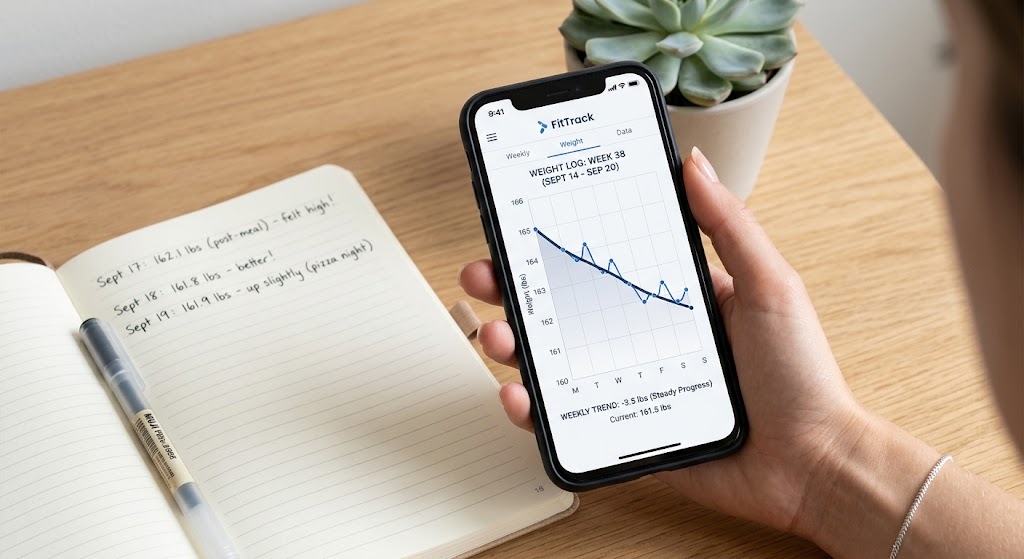
- Maintain Consistent Standards: Weigh yourself every morning immediately after waking up and using the bathroom, before consuming food or liquid.
- Treat Readings as Neutral Data: Log each morning number neutrally into an app or spreadsheet without emotional reaction.
- Calculate 7-Day Averages: Add your daily weigh-ins over 7 days and divide by 7. Compare this week’s average to last week’s average. A steady downward average of 0.5 to 1.5 pounds per week confirms a successful calorie deficit.
- Incorporate Waist Measurements: Take weekly waist measurements. If scale weight remains unchanged due to fluid retention or muscle retention, a shrinking waist confirms fat loss.
- Observe 3 to 4 Week Trends: Look at data over a full month to spot predictable patterns, such as temporary scale increases after intense leg training sessions or weekend social events.
What to Do When Scale Weight Increases Suddenly
A minor daily jump of 1 to 3 pounds is normal fluid balance. However, if you experience sudden, unexplained weight gain of 5 pounds or more within a single week, or 5% or more of total body mass within a month, consult a qualified medical professional.
Seek medical advice promptly if sudden weight spikes occur alongside any of the following symptoms:
- Persistent constipation or severe digestive distress
- Excessive sweating or hot flashes
- Feeling unusually cold all the time
- Unexplained fevers or extreme physical fatigue
- Hair thinning or sudden hair loss
- Heart palpitations or rapid resting heart rate
- Shortness of breath during mild activity
- Sudden vision changes or persistent dizziness
If scale increases stem from dietary choices, reset your routine by reducing sodium and refined sugar, increasing water intake, focusing on whole food nutrition, and getting 30 minutes of moderate daily physical movement.
Frequently Asked Questions
1. Can the same person have different weight readings on the same day?
Yes. Scale weight varies throughout the day by 2 to 6 pounds depending on fluid intake, food consumption, clothing weight, sweat loss, and digestion status.
2. Why does my weight stay the same while my body looks leaner?
You may be losing fat while retaining water or building muscle simultaneously. Tracking waist measurements, progress photos, and clothing fit reveals body recomposition that the scale cannot show.
3. How long should I track weight before identifying a true trend?
Track your daily numbers for at least 3 to 4 weeks. This timeframe allows you to clear out noise from fluid shifts, hormone changes, and workout recovery cycles to reveal your true fat loss trend.
4. What is the best way to analyze daily weight readings?
Log each daily weight neutrally without emotional stress. Calculate weekly averages every Sunday to evaluate true fat loss progress over time.
5. Why weight fluctuates during a fat loss journey even on a strict diet?
Even on a strict diet, fluid balance changes constantly due to sodium shifts, stress hormones (cortisol), muscle repair from exercise, and digestion speed. These temporary shifts hide fat loss on the scale for days or weeks.