

So you have been consistent with exercise and watching what you eat. You overall feel much better, and the scale shows that you are consistently dropping pounds. However, your belly fat is stubborn as ever. This might frustrate you and make you wonder why is my belly fat is not going away even though I’m losing weight everywhere else? In this article, we tackle this question in detail. Read on.
Quick Answer
- You cannot specifically target belly fat. Your genetics largely determine where your body stores fat and which areas lose it first.
- A consistent calorie deficit is the main way to lose abdominal fat. How quickly this happens varies from person to person.
- You can reduce fat while maintaining a similar body weight through body recomposition. This can be achieved by combining resistance training with adequate protein and a balanced diet.
- Track your waist measurement, sleep, diet, & exercise to understand your progress better than relying on the scale alone.
Why Do You Lose Weight Everywhere Except Your Belly?
Fat reduction usually happens across the body; it’s not like you can magically lose fat in part of the body. How much fat your body stores and which areas you lose fat from first depend mostly on your genetics. Due to this, your face might get slimmer before you start to lose belly fat.
Why Belly Fat Can Stay Stubborn
It can happen sometimes that even though you are losing fat, it looks like that you aren’t. It will make more sense if you understand the difference between different types of body fat. Subcutaneous fat is the fat that sits beneath your skin. Visceral fat is usually wrapped around your organs. Your stomach might still look prominent depending on which type of fat you are using.
How Long Does It Take for Belly Fat to Go Away?
All body types are different, so no single answer can be given about how long it will take to get a flat belly. The only way to lose belly fat is to try to lose overall fat through a consistent calorie deficit.
The Math Behind Burning Fat
The theory is that one pound of fat is made up of 3500 calories. It follows that if you burn around 3500 calories, you will lose one pound of fat. If you cut 500 calories per day out of your diet, you will lose 3500 calories through the week and eventually lose one pound. If you stay consistent, you can lose 4 pounds a month.
However, other factors are at play as well. Males burn more calories than females due to higher muscle mass. People with larger bodies burn more calories than those with smaller bodies.
Can You Lose Belly Fat Without Losing More Weight?
There is a way to lose fat without losing weight; it’s called body recomposition. The key to body recomposition is building and maintaining muscles while losing fat.
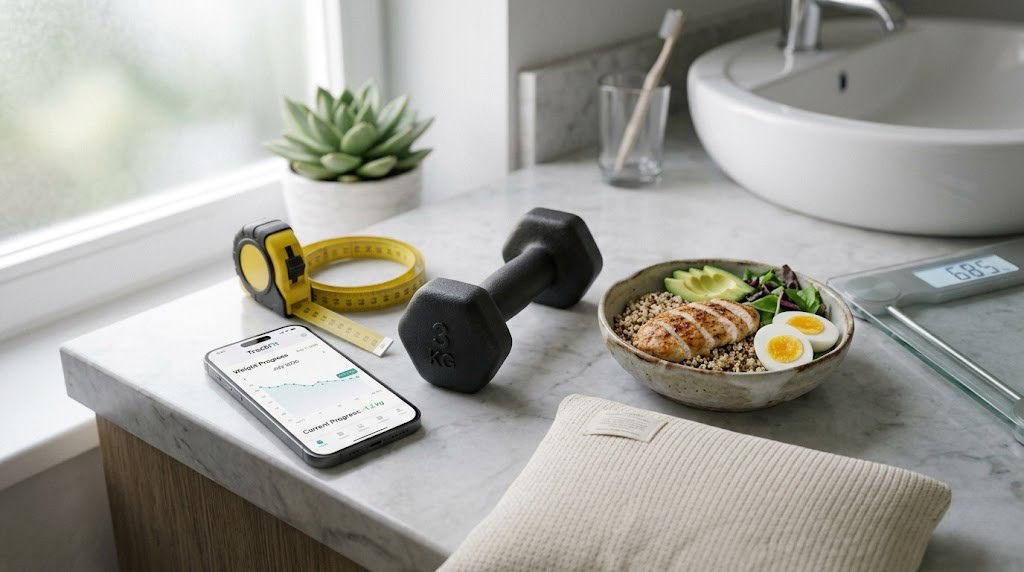
Resistance training with free weights can help burn belly fat. The goal is to improve muscle tone to strengthen your core without losing much weight. Improving your diet with proteins and fiber can help minimize fat accumulation.
Measure Your Waist Alongside Your Weight
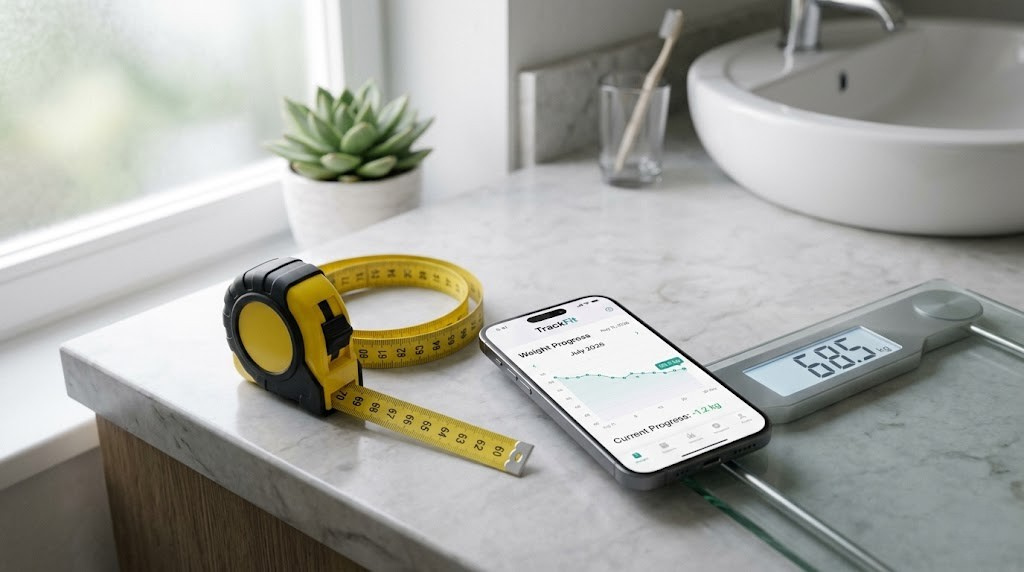
It is normal for weight to fluctuate. You should track your waist circumference with your weight. Take measurements always at the same time, maybe in the morning or after a workout. Don’t just fret about the number; focus on how your clothes fit and your overall mood. Take pictures to track changes.
What Should You Do If Your Belly Fat Isn’t Going Away?
Here are a few things you can do if your belly fat isn’t going away.
Follow a manageable calorie deficit: Don’t follow diets that are difficult to keep up with. A calorie deficit should be something you can follow long-term. If you hit a weight loss plateau, recheck whether you are logging food correctly.
Focus on protein and lifting weights: Add lots of protein to your diet and train regularly to maintain the muscle mass you have gained. Try adding cardio or any other physical activity like soccer to your exercise routine to speed up fat loss.
Dial in your sleep and de-stress: Get enough sleep and remove any distractions from your room that might hurt your sleep schedule. To manage stress, practice journaling.
When Should You Be Concerned About Abdominal Weight?
Subcutaneous fat, the one under your skin, isn’t dangerous; however, visceral fat that wraps around your organs can be dangerous. Visceral fat can release chemicals and hormones into your body. This can raise your blood pressure and increase insulin resistance. This increases the chance of catching diseases like diabetes, asthma, dementia, and certain cancers.
When to Seek Advice
If you notice any unusual or concerning physical changes in your body, you should reach out to a healthcare professional to talk about them.
(Note: Regular, ordinary stubborn belly fat on its own does not automatically mean you have a medical condition!)
Frequently Asked Questions
Can belly fat make you look heavier than you actually are?
Yes. Fat stored around the abdomen can change your body shape noticeably. Your posture, muscle development, and bloating can also affect how your stomach looks.
Why does my stomach look bigger at night than in the morning?
Your abdomen can appear larger later in the day because of food, fluid intake, digestion, and bloating. This does not necessarily mean you gained body fat during the day. Comparing your waist at the same time each day gives you a more useful picture of long-term changes.
Does drinking more water help reduce belly fat?
Staying hydrated supports normal digestion and overall health. It does not directly cause your body to burn abdominal fat. If you want to further decrease your calories, replace high-calorie drinks such as sodas and shakes with water instead.
Can bloating be mistaken for belly fat?
Yes. Bloating can temporarily increase the size of your abdomen. Stomach size changes considerably throughout the day because of factors such as meals, constipation, gas, or food.
Can abdominal exercises get rid of belly fat?
Abdominal exercises can strengthen and develop the muscles underneath your belly fat. They do not specifically remove the fat covering those muscles. They can still be valuable as part of a broader strength-training routine.