
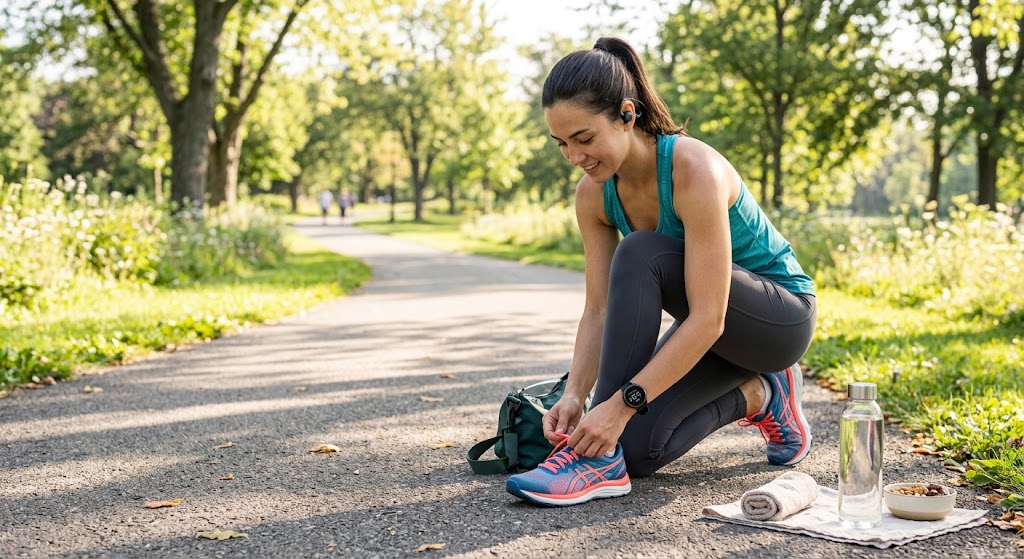
Many people starting a weight loss journey hear from friends and fitness partners that simply walking 10,000 steps a day can yield quick fat loss results. However, online opinions remain divided—some claim it works miracles, while others argue that nutrition dictates almost all weight loss progress. In this article, we evaluate whether 10,000 steps a day is enough to lose weight without dieting and how to maximize your daily activity. Read on.
Quick Answer
- Energy Balance: Walking 10,000 steps increases daily energy expenditure, which can help induce weight loss if your overall intake stays steady.
- No Guaranteed Outcomes: Step targets alone do not guarantee weight loss—if you overeat and compensate for burned calories, weight will remain flat.
- Variable Burn: The total energy burned varies significantly based on body mass, walking pace, incline, overall fitness level, and genetics.
- Equivalent Distance: Accumulating 10,000 steps equals a distance of roughly 5 miles (8 kilometers).
- Maximizing Intensity: You can increase the effectiveness of your walks by picking up your pace, adding hill inclines, or wearing a weighted vest.
- Alternative Activities: Cycling, swimming, resistance training, and dancing provide high calorie-burning alternatives if walking 5 miles daily is inconvenient.
How 10,000 Steps Helps Create a Calorie Deficit
Consistently walking 10,000 steps per day increases your Non-Exercise Activity Thermogenesis (NEAT) and overall active calorie output. When your body expends more energy than it consumes, it mobilizes stored body fat for fuel, which gradually reduces overall weight and waist circumference.
Why 10,000 Steps Does Not Guarantee Weight Loss
A common misconception is that hitting a specific step count automatically triggers body fat reduction. In reality, human metabolism is complex and adaptive.
Research suggests that physical activity alone often yields smaller weight reductions than expected because the body compensates for energy expenditure. Metabolic adaptation causes the body to conserve a portion of burned calories to preserve energy reserves. Furthermore, if increasing your daily steps leads to an unintentional increase in appetite, eating extra food can offset the caloric deficit created by walking. For optimal results, pairing activity with a manageable calorie deficit strategy remains the most reliable path to fat loss.
How Many Calories Do You Burn Walking 10,000 Steps?
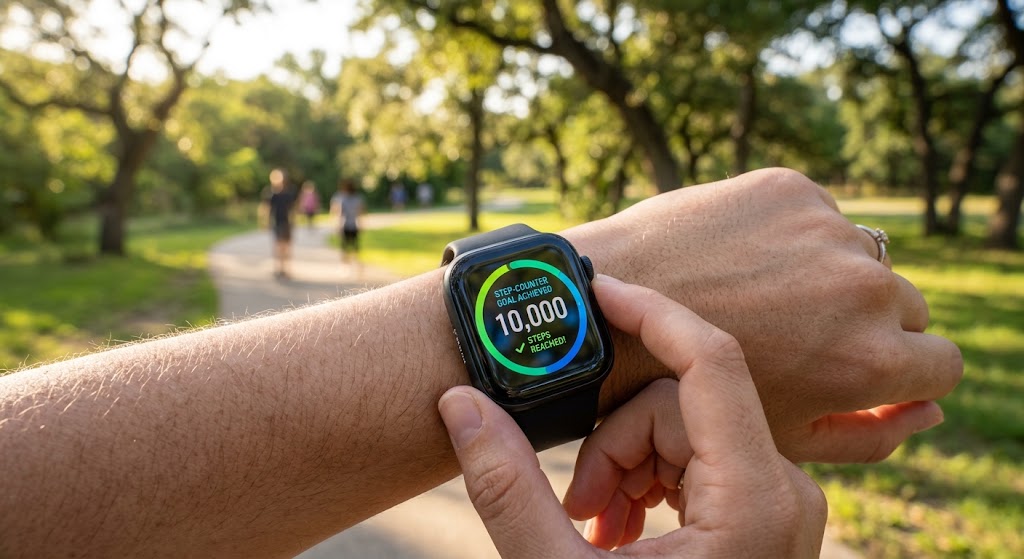
There is no universal calorie number because individual energy expenditure depends heavily on physical characteristics. According to estimations published by Harvard Health, calorie burn during physical activity scales directly with body weight and movement speed.
Factors That Affect Calories Burned
- Body Mass: Larger bodies require significantly more mechanical energy to move, resulting in a higher caloric burn per step.
- Pace and Incline: Fast-paced walking or navigating hilly terrain demands more muscular engagement, accelerating calorie expenditure compared to casual flat-surface strolling.
- Genetics and Metabolism: Genetic factors can influence basal metabolic rate and daily movement efficiency, causing variation in how different bodies utilize energy during exercise.
How Much Distance Is 10,000 Steps?
For most adults, an average stride length converts 10,000 steps into approximately 5 miles (8.05 kilometers). Completing this distance typically requires about 75 to 90 minutes of active walking across the day.
How Much Weight Can You Lose Walking 10,000 Steps a Day?
A traditional rule of thumb states that creating a weekly deficit of 3,500 calories leads to roughly one pound of fat loss. Walking 10,000 steps daily can burn anywhere from 300 to 500 extra calories depending on your body weight, which theoretically adds up to a pound lost per week.
However, this mathematical formula does not account for dietary intake changes or fluid fluctuations. If your dietary calorie intake increases alongside your physical activity, weight loss will stall despite reaching your daily step goal.

How to Make 10,000 Steps More Effective Without Dieting
If you want to maximize the fat-burning potential of your daily walks without making drastic changes to your meal plan, focus on raising the physical intensity of your movement:
- Incorporate Intervals: Insert short 30-second jogging or sprinting intervals throughout your walk.
- Use Incline Terrain: Seek out natural outdoor hills or raise the incline percentage on a treadmill.
- Maintain a Brisk Pace: Walk fast enough that holding a full conversation requires noticeable effort.
- Add Resistance Exercises: Pause every 1,000 steps to perform 10-15 bodyweight squats or push-ups using simple home workout routines.
- Wear Added Weight: Carry a fitted backpack or wear a weighted vest to increase the workload on your leg muscles.
Is 10,000 Steps Better Than Other Forms of Exercise?
The 10,000-step recommendation originally stemmed from a pedometer marketing campaign rather than a strict biological rule. While daily walking is low-impact and accessible, other forms of exercise offer distinct advantages for fitness and metabolic rate.
According to physical activity insights from Mayo Clinic, combining aerobic movement with muscle-building activities optimizes overall health. Guidance from the American Council on Exercise (ACE) further emphasizes that higher-intensity activities burn calories in a shorter period of time.
Alternative High-Efficiency Exercises
- Cycling: Provides a higher caloric burn per minute while placing minimal stress on knee joints.
- Swimming: Engages the entire upper and lower body simultaneously, offering exceptional cardiovascular conditioning.
- Strength Training: Builds lean muscle tissue, which elevates resting metabolic rate far more effectively than low-intensity steady-state walking. Adding simple high-protein nutritional habits supports this muscle recovery process.
- Recreational Sports: Tennis, jump rope, hiking, and dancing offer dynamic multi-directional movement that improves agility alongside calorie burning.
Frequently Asked Questions
Can you lose weight by walking 10,000 steps a day without changing your diet?
Yes, it is possible if your current diet is keeping your weight completely stable. The extra energy spent walking can create a net calorie deficit. However, if your calorie intake increases to match the new activity, weight will remain unchanged.
How long does it take to see results from walking 10,000 steps a day?
Noticeable results generally take 4 to 8 weeks of consistent daily activity. Improvements in energy levels, sleep, and cardiovascular endurance will appear much earlier, often within the first 2 weeks.
Should you walk 10,000 steps every day or take rest days?
While low-impact walking is safe to do daily, taking 1 or 2 lighter movement days per week helps prevent foot fatigue and supports long-term consistency.
Is walking 10,000 steps enough to lose belly fat?
Walking promotes overall body fat reduction, but you cannot spot-reduce fat from specific areas like the abdomen. Targeted belly fat reduction occurs naturally over time as total body fat percentage decreases.
What happens if you walk 10,000 steps but your weight does not change?
If your weight remains stationary over several weeks, your calorie intake likely balances out your daily energy output. Re-evaluating overall calorie intake or increasing exercise intensity can help resume progress.