
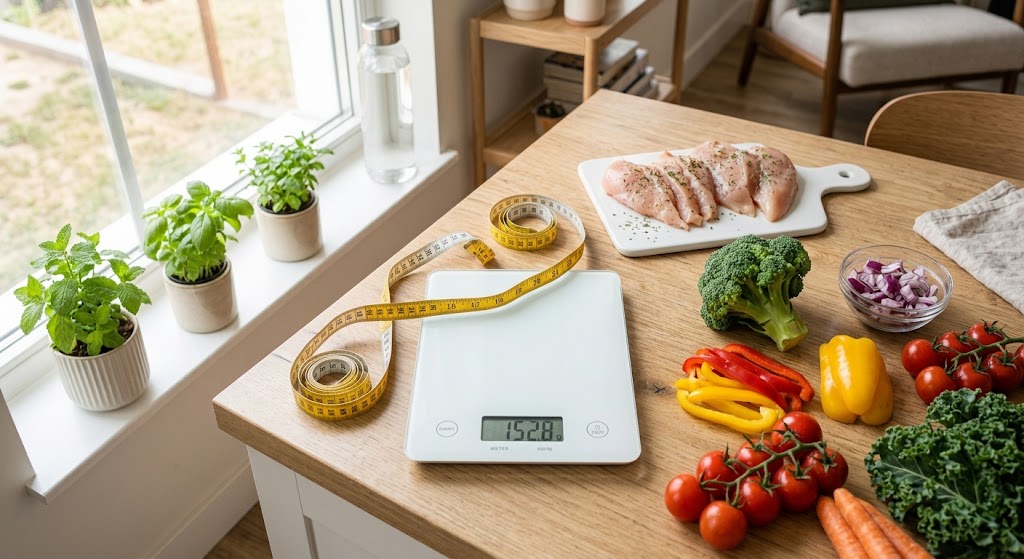
Struggling to drop pounds even though you are strictly eating fewer calories? Small, unexpected shifts in your eating habits, stress levels, and daily routine can heavily impact your overall progress. In this detailed guide, we explain why you are not losing weight in a calorie deficit and what practical adjustments you can make to start seeing results again. Read on.
Quick Answer
- Patience is Key: Weight loss is rarely a continuous straight line; steady progress takes priority over rapid scale changes.
- Track Hidden Calories: Uncounted bites, cooking oils, creamy dressings, and daily beverages can easily wipe out your intended calorie deficit.
- Metabolic Adaptations: As your body weight decreases, your basal metabolic rate drops, meaning your original deficit may now be your new maintenance level.
- Balance Your Workouts: Excessive high-intensity exercise paired with low caloric intake can strain recovery and elevate cortisol levels.
- Consult Professionals: If adjusting your food logs and activity yields no change, speak with a registered dietitian or medical professional.
Why Am I Not Losing Weight in a Calorie Deficit?
Weight loss involves complex physiological processes. Many interconnected lifestyle factors can stall your weight loss journey:
- Unrealistic Expectations: Sustainable body composition changes require consistent lifestyle shifts over several weeks rather than quick fixes.
- Food Quality & Satiety: Focusing on nutrient-dense whole foods rich in protein and fiber keeps you full, making it far easier to adhere to your diet.
- Inaccurate Portion Sizes: Even healthy foods can prevent fat loss if serving sizes are underestimated. Practicing accurate portion control techniques is vital.
- Sub-Optimal Exercise: Relying purely on cardio without strength training can result in muscle loss, slowing down your resting metabolism.
- Liquid Calories & Alcohol: Alcoholic drinks and sugary beverages contribute high calories without offering nutritional value or fullness.
- Age & Hormonal Shifts: Natural muscle mass decline with age, along with hormonal transitions like menopause, can influence fat distribution.
- High Stress & Poor Sleep: Consistently sleeping less than 6 hours a night spikes stress hormones, impairing fat loss and increasing cravings.
- Underlying Medical Factors: Conditions such as hypothyroidism or insulin resistance can affect energy balance.
- Hyper-Focusing on the Scale: Body recomposition can occur without scale changes. Improvements in waist size, energy, and strength are equally important progress indicators.
You May Be Eating More Calories Than You Think
It is remarkably easy to consume extra energy without realizing it. Research indexed by the National Institutes of Health (NIH) reveals that unrecorded snacks and distracted eating frequently cause individuals to miscalculate their total daily caloric intake.

Here are common areas where hidden calories slip into your diet:
- Distracted Eating & Screen Time: Eating while watching television or scrolling on your phone weakens fullness cues, often increasing overall food intake.
- Misleading Food Labels: Items labeled “low-fat” or “zero-fat” often replace fat with added sugars to preserve flavor, keeping caloric density high.
- Calorie-Dense Healthy Foods: Nutritious choices like avocados, almonds, chia seeds, and olive oil are healthy but remain very calorie-dense.
- Dressings and Condiments: Commercial salad dressings, mayonnaise, and sweetened sauces can add hundreds of uncounted calories to a healthy meal.
- Restaurant Portions: Commercial meals are typically prepared with excess butter, oils, and larger portion sizes than home-cooked food.
- Cooking Oils: A single tablespoon of olive oil or butter adds roughly 120 calories. Generous cooking sprays and drizzles stack up fast.
- Beverages: Smoothies, fruit juices, flavored lattes, and sodas carry liquid calories that do not trigger fullness signals.
- Mindless Snacking: Nibbling on leftovers or sampling ingredients while cooking can easily erase a modest 300-calorie deficit.
- Plate Sizes: Using large dinner plates subconsciously encourages larger serving sizes compared to smaller dishware.
Your Calorie Needs May Have Changed
If your weight loss has halted despite staying consistent, your body’s daily energy requirements may have shifted. As you lose body mass, your total daily energy expenditure decreases.
According to health research from Harvard Health, the body undergoes metabolic adaptation during prolonged weight loss. The calorie deficit that worked when you were heavier may now simply match your new daily maintenance level.
To prevent metabolic exhaustion, it is often wise to treat a calorie deficit as a temporary phase, incorporating structured maintenance periods to allow your metabolism to reset.
Exercise Can Make It Harder to Maintain a Calorie Deficit
While staying active is essential, over-exercising while consuming limited calories can backfire. Because your body has less available fuel, its capacity to recover from intense physical stress is reduced.
Excessive high-intensity interval training (HIIT) combined with a deep deficit can elevate cortisol levels, worsen fatigue, and trigger systemic water retention that hides fat loss on the scale. Instead of forcing extreme cardio sessions, incorporate brisk daily walking for fat loss alongside moderate resistance training to preserve lean muscle without crushing your recovery capacity.
What to Do If You Are Not Losing Weight in a Calorie Deficit
If you have hit a weight loss plateau, follow these practical steps to get your progress back on track:

- Review Your Daily Habits: Audit your food tracking app for a few days. Ensure you are using a digital food scale to weigh portions instead of relying on eye estimates.
- Recalculate Your Energy Needs: Update your basal metabolic rate and target calories based on your current weight, activity level, and body composition.
- Prioritize Protein Intake: Base your diet around whole foods and high-protein meal prep options to keep your metabolic rate high and appetite suppressed.
- Optimize Movement & Recovery: Aim for 150 to 300 minutes of moderate activity weekly, balance your sleep schedule, and give your muscles sufficient rest between workouts.
When to Seek Advice
If you have meticulously recalculated your intake, tracked every bite accurately, managed your stress, and still experience zero weight loss over several consecutive weeks, consider consulting a registered dietitian or healthcare professional to evaluate underlying metabolic or hormonal health.
Frequently Asked Questions
How can I tell if my calorie deficit has become smaller?
If your weight loss has stalled for 3 to 4 weeks despite strict diet compliance, your body weight has likely dropped enough to lower your baseline maintenance calories, shrinking your initial deficit.
Can eating healthy foods still affect my calorie intake?
Yes. Nutrient-dense foods like nuts, seeds, nut butters, avocados, and oils are healthy, but they are calorically dense and will stop weight loss if eaten in excess.
Should I increase my workouts when weight loss stalls?
Not necessarily. Dramatically increasing workout intensity during a calorie deficit can lead to overtraining, elevated cortisol, and fluid retention. Adjusting food accuracy or taking light walks is often more effective.
How can I find calories I may be missing from my food log?
Weigh all cooking oils, salad dressings, sauces, beverage creamers, and casual bites on a digital food scale. These small additions are the most common source of uncounted calories.
What should I do if my weight loss still does not improve?
If reviewing portion accuracy, recalculating targets, and optimizing recovery do not restart weight loss, schedule a consultation with a physician or dietitian to rule out underlying medical factors.