
Introduction
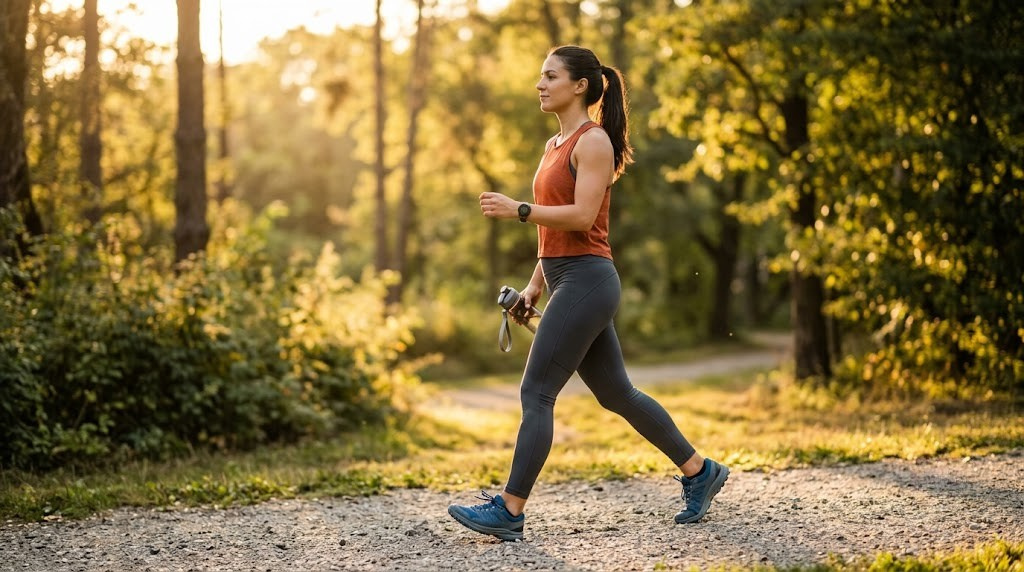
Walking can be a great exercise for losing fat. It’s easy to maintain over the long term. It doesn’t need any expensive gym membership. However, you must understand that if you are serious about fat loss, you will have to watch your diet as well. In this article, we will tell you how walking can help you lose fat. read on.
Quick Answer
Your energy, mood, and stamina improve in the first 2 to 3 weeks.
It takes 4 to 8 weeks to see visible fat loss.
Aim for 200 to 300 minutes per week for fat loss.
Keep a calorie deficit while trying to lose weight through walking.
How Long Does It Take
It can be extremely motivating to know when you can expect to see results of your hard work. Below you will find out what you can realistically expect.
Typical Timeline
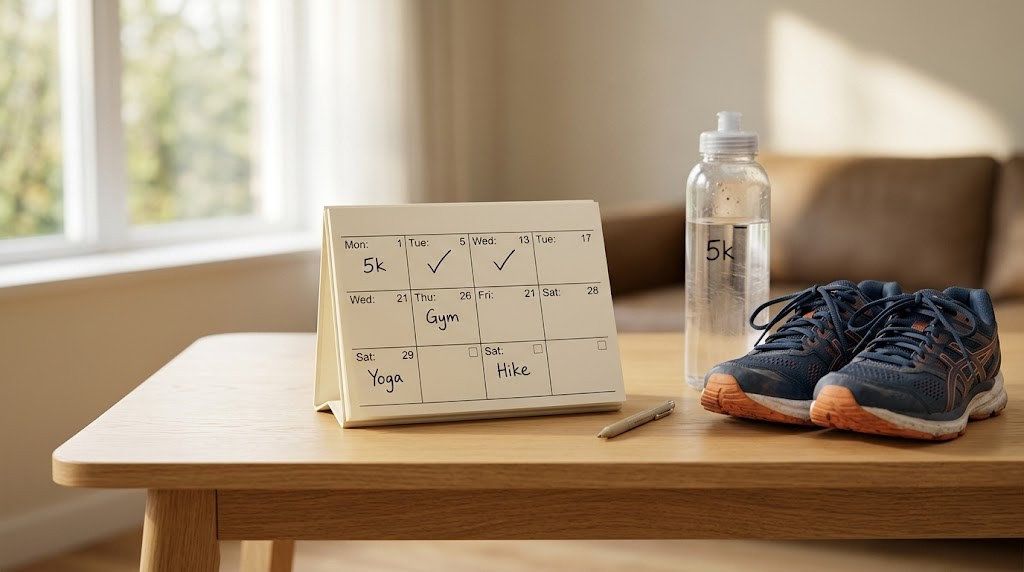
In the first 2 to 3 weeks, your mood will improve, you will have higher energy, and increased stamina. However, to see visible fat loss takes much longer. Results usually appear after 4 to 8 weeks of consistent walking combined with a calorie deficit.
Why Progress Varies
Some people may notice changes faster than others due to several factors:
They are consistent; they walk more each week instead of trying to maintain a daily streak.
They eat balanced meals with protein and fiber. They maintain a calorie deficit along with walking.
They focus on getting enough rest. Recovery and quality sleep play a major role in fat loss.
What Determines How Quickly Walking Burns Fat?
Below is the breakdown of factors besides walking that determine the progress of your weight loss.
The Role of a Calorie Deficit
The most important thing is that you maintain a calorie deficit. A calorie deficit means you are burning more calories than you are consuming. Walking can help you burn more calories; however, it can’t burn fat alone if it isn’t accompanied by a calorie deficit. the research shows that people who walk with a calorie deficit burn more fat.
Walking Duration, Speed, and Frequency
According to The American College of Sports Medicine, you need 150 to 250 minutes of exercise per week. In other words, 30 to 50-minute walk five days per week with two rest days.
Weight and Metabolism
Body Weight:
If your current weight is higher in pounds, you will naturally burn more calories compared to someone with less weight, because your body needs more energy to burn calories.
Metabolism
Your metabolism becomes more efficient as you shed fat and gain muscle mass. muscle mass helps you burn calories even at rest.
How to Walk for Faster Fat Loss Results
Below you will find tips to make your walking program more efficient.
Aim for the Right Amount of Walking
A brisk walk of 3 miles per hour can help you burn fat faster. If you can’t guess how fast you are walking, try the talk test. If you can hold a long conversation but can only speak in short sentences, then you are walking fast enough.
Increase Intensity Without Overdoing It
for maintaining your health. 150 minutes of activity per week is recommended. For weight loss, you should aim for 200 to 300 minutes per week . Focus on your weekly total instead of your daily streak.
Pair Walking with Healthy Nutrition
Walking is great, but it works best when paired with a healthy diet. For fat loss, a calorie deficit is necessary. It is common to experience hunger pangs after starting a deficit. If you accidentally end up eating extra, that might offset your deficit.
Signs That Walking Is Working Even Before Visible Fat Loss
Why the Scale Can Be Misleading
The scale only provides a number. It doesn’t say anything about “body recomposition,” a process in which your body loses fat and gains muscle mass. Muscle is denser than fat, so it takes up less space. So you might be getting leaner; however, the scale might not move at all.
Non-Scale Victories
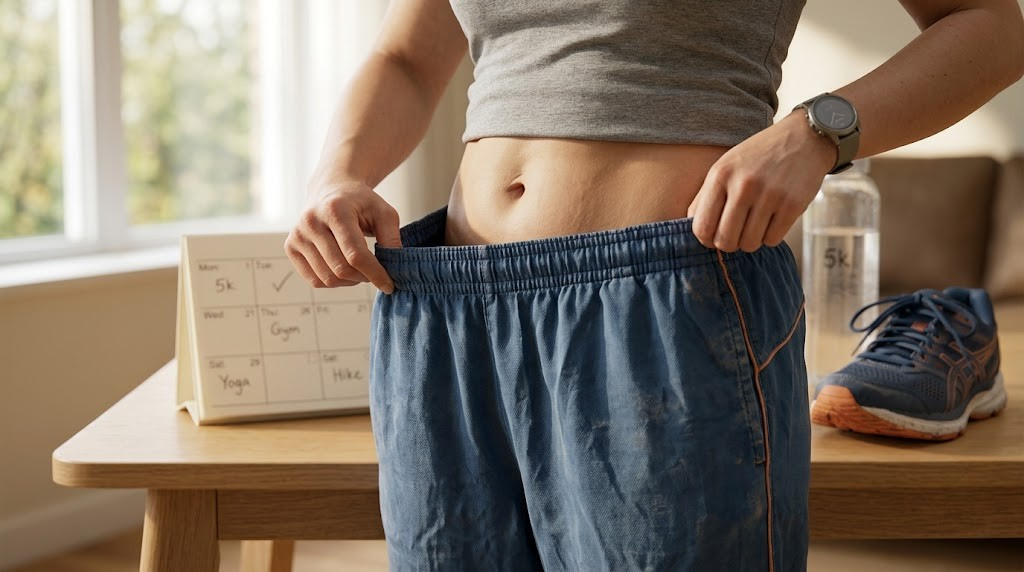
Your pants get looser around the waist, and shirts get tighter around the chest.
You feel that you have more energy for daily tasks.
You can walk further and faster.
You have started having better sleep.
Common Mistakes That Slow Fat Loss from Walking
If you push yourself too hard, your body will become overstressed. You might start saving calories as fat instead of burning them.
Slouching more than 5 degrees can lead to the development of a belly pouch in the lower abdominal area.
Taking unusually long strides prevents your thigh and core muscles from activating properly. This decreases fat-burning efficiency and exposes your knee to injuries.
Wearing shoes that aren’t designed for walking prevents even weight distribution across the feet.
Not drinking enough water. causes blood sugar and electrolyte levels to drop. Low blood sugar can cause the body to hoard calories.
Not eating balanced meals. Eating protein-rich food is necessary for muscle recovery.
Conclusion
Walking can be a great tool for weight loss. But it’s a long game, so staying consistent is the key. The importance of calorie deficit for weight loss has been stated several times throughout this article. Armed with this new research-based information, we wish all the best on your weight loss journey.
Frequently Asked Questions
Is it better to walk indoors or outdoors for fat loss?
Outdoor walks provide varied terrain and fresh air, while treadmills offer convenience and controlled conditions. The best option is the one you can stick with consistently.
Should I walk every day to lose fat?
Not necessarily, having one or two rest days each week is perfectly fine. Recovery repairs your muscles.
Does walking after meals help with fat loss?
Walking for 10 to 15 minutes after a meal supports digestion and helps manage blood sugar levels. While it is not a shortcut to fat loss, it can contribute to a healthier lifestyle.
What is the best time of day to walk for fat loss?
There is no universally best time. Morning, afternoon, and evening walks can all support fat loss. Choose a time that fits your schedule.
Can walking help prevent weight regain after losing fat?
Yes. Regular walking can help maintain your calorie balance and support cardiovascular health.