
Wondering why your weight is not changing on the scale even though you are eating fewer calories? Understanding how your body composition shifts week by week can keep you motivated. In this guide, we explain how long it takes to see results from a calorie deficit and how to track true fat loss. Read on.
Quick Answer
- First 2 Weeks: The scale drops rapidly due to water weight loss and glycogen depletion rather than pure body fat.
- Weeks 3 to 6: True, sustainable fat loss begins. A consistent daily deficit of 500 to 600 calories yields around 0.45 to 0.5 kg (1 lb) of fat loss per week.
- Weeks 6 & Beyond: Noticeable physical changes emerge, including looser clothing, a smaller waistline, and better metabolic health.
- Scale Fluctuations: Fluid retention, high sodium, intense exercise, and stress can mask fat loss progress on the scale.
- Track Beyond the Scale: Monitor waist size, energy levels, clothing fit, and monthly progress photos for accurate tracking.
What Is a Calorie Deficit?
A calorie deficit occurs when you consume fewer calories than your body expends daily. To meet its remaining energy needs, your body burns stored fat, resulting in overall weight reduction.
According to metabolic research published by the National Institutes of Health (NIH), your Total Daily Energy Expenditure (TDEE) consists of four primary components:
- Basal Metabolic Rate (BMR): Caloric energy required for vital body functions at rest, making up about 60% of your total daily burn.
- Exercise Activity Thermogenesis (EAT): Calories burned during structured workouts, accounting for 15% to 30% of TDEE.
- Non-Exercise Activity Thermogenesis (NEAT): Energy burned through daily background movements like pacing, cleaning, and walking.
- Thermic Effect of Food (TEF): Energy used to digest and process meals, accounting for roughly 8% to 15% of daily expenditure.
Creating a 500-calorie daily deficit—through a combination of diet and physical activity—typically leads to losing about one pound of weight per week.
When Do You Start Losing Weight in a Calorie Deficit?
Curious about what to expect when starting a fat loss diet? Here is how physical results typically unfold over time:

The First Two Weeks
During the first 14 days, you may notice a rapid drop on the scale. This initial loss is mostly stored carbohydrate reserves (glycogen) and fluid retention being released, rather than significant fat reduction.
Weeks 3 to 6
This phase marks the onset of true body fat reduction. According to weight management guidelines from the CDC, a safe and sustainable rate of weight loss is 0.5 to 1 kg (1 to 2 lbs) per week. At this stage, your clothing will start fitting noticeably looser.
Weeks 6 and Beyond
With ongoing consistency, visible changes in body shape become clear. Over 8 to 12 weeks, long-term markers such as blood pressure, resting heart rate, and insulin sensitivity improve substantially.
Why Am I Not Seeing Results From a Calorie Deficit?
If your scale weight has stalled, several hidden factors may be masking your fat loss:
- Uncounted Calories: Small bites, cooking oils, and liquid calories can erase your intended deficit. Weighing meals on a digital scale for a week can help restore accuracy.
- Overestimating Caloric Burn: Fitness trackers often overestimate workout calories. Eating back all “burned” calories can negate your deficit.
- Fluid Retention Masking: Intense workouts, muscle soreness, high sodium intake, elevated cortisol, creatine usage, and menstrual cycles can cause temporary water retention of 1 to 3 kilograms.
- Outdated Caloric Targets: As you lose body mass, your maintenance calories decrease. It is essential to recalculate your TDEE every 4 to 6 weeks.
If you suspect hidden calories are stalling your progress, review the common reasons why you might be not losing weight in a calorie deficit to get back on track.
How Can You Tell If Your Calorie Deficit Is Working?
Scale weight is only one indicator of body transformation. Look for these positive indicators to confirm fat loss:
- Downward Scale Trend: A gradual average decline over 4 consecutive weeks rather than day-to-day fluctuations.
- Looser Fitting Clothes: Belts, pants, and shirts feel noticeably looser around your midsection.
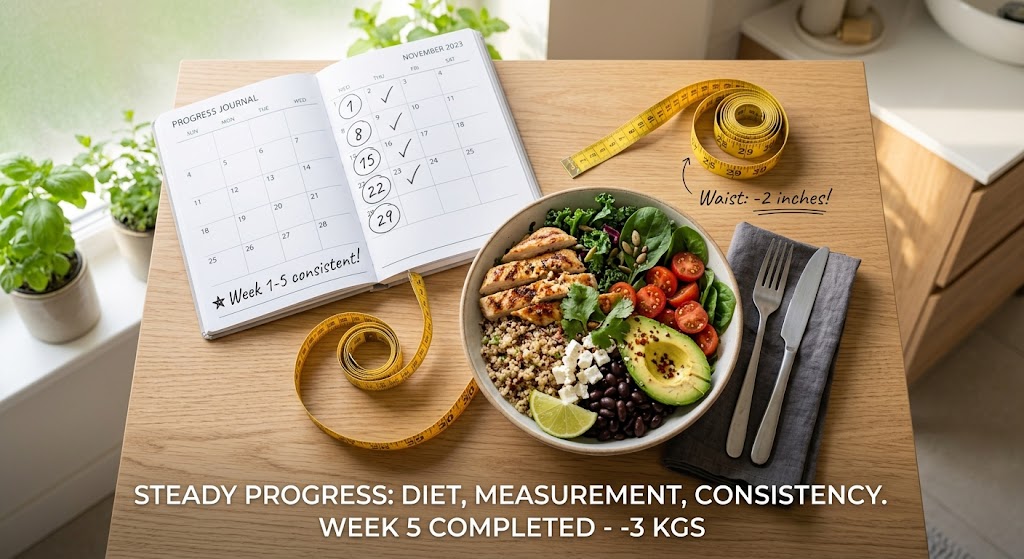
- Reduced Waist Circumference: Measuring your waistline reveals reductions in visceral fat, which Mayo Clinic highlights as a core sign of improving metabolic health.
- Sustained Daily Energy: Experiencing steady mood and performance levels rather than severe fatigue or fog.
- Monthly Progress Photos: Visual comparisons taken under identical lighting show clear changes that daily scale checks miss.
How to Make a Calorie Deficit More Sustainable
Fat loss requires long-term consistency. Here are practical ways to manage hunger and maintain your target intake:

- Practice Mindful Eating: Pause before eating to assess true physical hunger versus emotional cravings.
- Chew Thoroughly: Slow down your meal speed to give satiety hormones time to signal fullness to your brain.
- Use Visual Portioning: Utilize simple hand measurements (a palm of protein, a fist of vegetables) when dining out.
- Prioritize High-Protein Foods: Structure meals around fiber and budget-friendly high-protein options to suppress appetite naturally.
- Stay Hydrated: Drink plenty of water throughout the day, especially before meals, to reduce false hunger cues.
- Optimize Lifestyle Habits: Get 7 to 9 hours of quality rest per night. Explore walking daily for fat loss to increase non-exercise movement without spiking hunger.
Frequently Asked Questions
Can you lose fat even if the scale does not change?
Yes. Water retention, muscle gain, and digestion can mask fat loss on the scale. Clothing fit, waist measurements, and photos are often more accurate measures of body recomposition.
How often should you check your progress?
Focus on weekly average trends rather than daily numbers. Evaluating progress over 4 to 6 week windows gives a clearer picture of real fat loss.
What should you do if strict calorie tracking is not helping?
Re-evaluate portion accuracy using a digital kitchen scale. If adherence is accurate for over 4 weeks without progress, consult a registered dietitian or healthcare provider.
Why can your weight change even when your calorie deficit stays the same?
Fluid retention caused by stress, sodium spikes, intense workouts, hormonal cycles, or poor sleep can cause temporary scale weight shifts despite ongoing fat loss.
When should you recalculate your maintenance needs?
Recalculate your baseline calorie needs every 4 to 6 weeks or after losing 3 to 5 kg (7 to 10 lbs), as your metabolic rate decreases with lower body mass.