
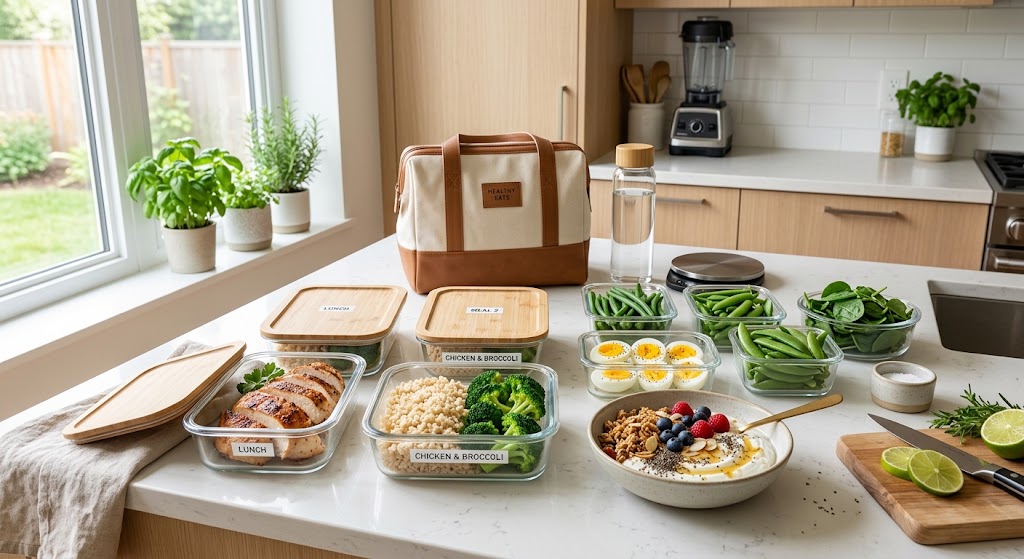
To maximize your protein intake during a calorie deficit to preserve muscle, you must balance your macro targets with consistent strength training. Reducing your energy intake puts your body in a catabolic state, making lean tissue vulnerable to breakdown. In this detailed guide, you will learn how to calculate your exact daily protein target, distribute your meals intelligently, and safeguard your metabolic health. Read on.
Quick Answer
- Daily Target Range: Aim for 1.4 to 2.0 grams of protein per kilogram of body weight daily if you are an exercising adult.
- Distribute Intake Evenly: Spread your daily protein across 3 to 5 meals rather than consuming most of it in a single large dinner.
- Prioritize Quality Sources: Base your diet on nutrient-dense, lower-calorie options like chicken breast, egg whites, Greek yogurt, tuna, lentils, and tofu.
- Combine with Strength Training: Pair your diet with progressive resistance training, as protein alone cannot stimulate muscle retention.
- Avoid Over-Reliance on Supplements: Limit ultra-processed bars and shakes that carry uncounted calories, added sugars, or excess saturated fat.
Why Protein Matters During a Calorie Deficit
When you reduce your daily calories to shed body fat, your body draws upon stored energy reserves. Without adequate amino acids circulating in your bloodstream, muscle tissue is broken down for fuel. Research published in the National Institutes of Health (NIH) highlights that high-protein diets preserve lean body mass while promoting greater fat loss.
Optimizing your protein intake during a calorie deficit to preserve muscle yields several physiological benefits:
- High Thermic Effect of Food (TEF): Protein requires roughly 20% to 30% of its usable energy simply to digest and assimilate, burning more calories than fats or carbohydrates.
- Appetite Suppression and Satiety: Higher protein consumption stimulates fullness hormones, making it far easier to adhere to reduced caloric targets.
- Metabolic Preservation: Protecting active muscle tissue maintains your baseline resting metabolic rate, preventing post-diet weight rebounds.
Calculate Your Daily Target
According to the position stand of the International Society of Sports Nutrition (ISSN), healthy exercising adults should consume between 1.4 and 2.0 grams of protein per kilogram of total body weight daily. Highly active individuals undergoing aggressive energy restriction may benefit from the upper end of this spectrum.
When planning your protein intake during a calorie deficit to preserve muscle, consistency is vital. Calculate your daily numerical goal and break it down into sustainable daily habits rather than drastically changing targets every few days.
How to Spread Protein Throughout the Day
Consuming all your daily protein in one massive meal limits its metabolic effectiveness. Muscle protein synthesis functions best when amino acids are delivered steadily over the course of the day.
Follow these practical distribution steps:
- Establish Your Overall Target: Multiply your body weight in kilograms by 1.6 to 2.0 to find your daily intake goal.
- Determine Meal Frequency: Divide your schedule into 3, 4, or 5 primary eating windows.
- Divide Portion Sizes Evenly: Allocate 30 to 40 grams of quality protein to each individual meal.
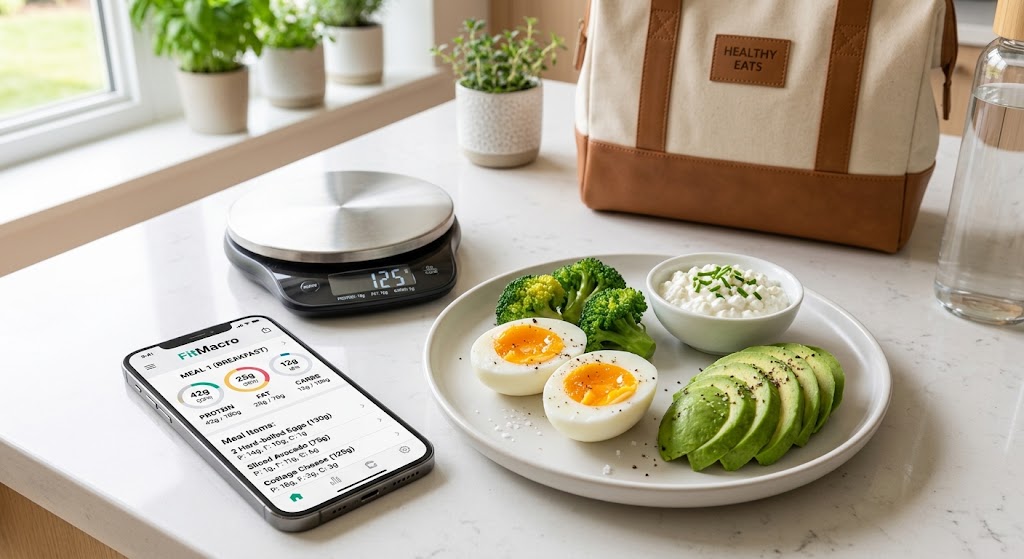
- Weigh Food Portions: Use a digital kitchen scale to measure raw and cooked proteins accurately instead of guessing portion sizes.
Best Protein Sources for a Calorie-Deficit Diet
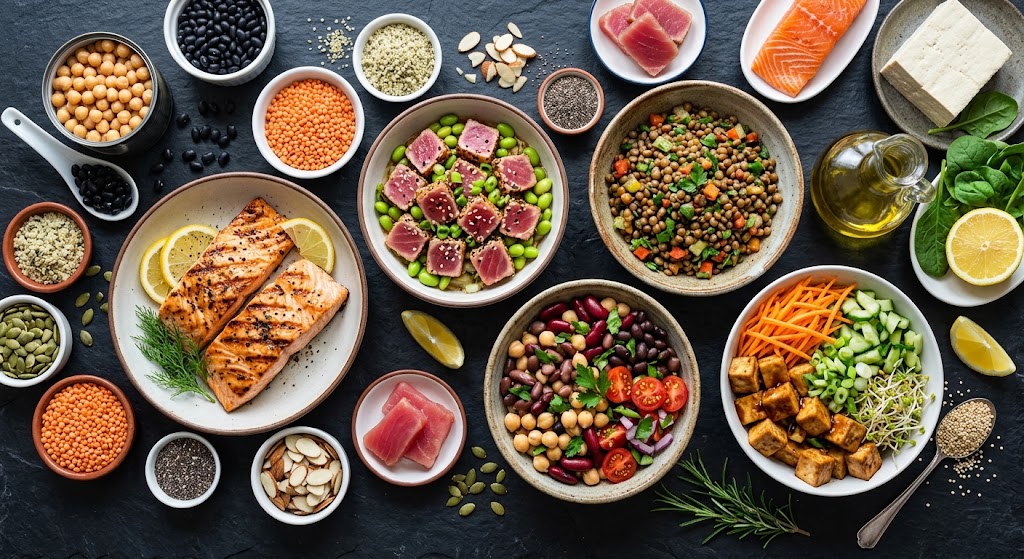
Selecting foods with high protein density prevents you from exceeding your overall daily calorie limits. Incorporate a balanced mix of animal and plant-based options:
Animal-Based Protein Sources
- Chicken Breast: Delivers 18 to 20 grams of protein and around 100 calories per 100 grams. Excellent baked, grilled, or air-fried.
- Lean Ground Turkey: Offers roughly 20 grams of protein per 100 grams for 120 to 150 calories depending on the fat ratio.
- Eggs & Egg Whites: One whole large egg provides 7 grams of protein (72 calories), while 100 grams of liquid egg whites offer 10 to 11 grams of protein for just 54 calories.
- Low-Fat Greek Yogurt: Supplies about 16 grams of protein per three-quarter cup serving for 120 calories.
- Cottage Cheese: A half-cup serving provides 13 grams of protein for roughly 90 calories.
- Canned Tuna in Water: A 3-ounce portion delivers 16 grams of pure protein for only 70 calories.
Plant-Based Protein Sources
- Lentils & Beans: Cooked lentils yield approximately 10 grams of protein and 120 calories per 100 grams, along with rich dietary fiber.
- Tofu & Tempeh: Minimal processing makes soy products excellent complete plant proteins for active diets.
- Quality Protein Powders: Whey, casein, or pea protein isolates providing 20 to 30 grams of protein per serving under 250 calories can supplement whole foods efficiently.
Protein Alone Isn’t Enough to Preserve Muscle
While proper protein intake during a calorie deficit to preserve muscle supplies necessary cellular building blocks, protein alone cannot preserve muscle without physical tension. Resistance training provides the mechanical stimulus that signals muscle tissue to adapt, repair, and remain intact.
As noted in nutritional guidance from Harvard Health, consuming extra protein without progressive overload training will not stimulate muscle retention. Pair your intake with structured resistance training, such as beginner weight training routines, to achieve true body recomposition.

Common Protein Mistakes During Weight Loss
Avoid these frequent missteps when organizing your daily diet:
- Forcing Excessive Intake: Forcing yourself to eat 200+ grams when unnecessary increases grocery expenses and reduces intake of fiber-rich carbohydrates.
- Relying on High-Calorie Protein Extras: Overusing cheeses, peanut butter, and protein bars adds hidden fats that erase your daily calorie deficit.
- Eliminating Complex Carbohydrates: Replacing oats, fruits, potatoes, and whole grains with pure meat disrupts digestion and lowers workout performance.
- Backloading Protein at Dinner: Eating 10 grams of protein at breakfast and 70 grams at night is far less effective for muscle synthesis than balanced distribution.
- Ignoring Packaged Food Labels: Protein-fortified cookies and snacks are often loaded with excess sodium, saturated fats, and added sugars.
Frequently Asked Questions
1. What if I miss my protein intake during a calorie deficit to preserve muscle on one day?
Missing your exact target on a single day will not cause immediate muscle loss. Focus on long-term weekly averages rather than stressing over occasional deviations.
2. Do I need protein powder supplements to reach my goals?
No. You can easily meet your daily targets using whole foods like eggs, chicken, Greek yogurt, fish, beans, and soy. Supplements are simply convenient tools.
3. Can high protein intake cause digestive issues?
Increasing protein without adequate dietary fiber and fluid intake can slow digestion. Ensure you eat plenty of green vegetables, berries, and whole grains.
4. How much protein can my body absorb in a single meal?
Your body can digest and absorb large amounts of protein, but muscle protein synthesis reaches a practical peak at around 0.4 to 0.55 grams per kilogram of body weight per meal.
5. Should I adjust my protein targets if I have underlying health conditions?
Yes. Individuals with pre-existing kidney disease, digestive disorders, or pregnancy should consult a doctor or registered dietitian before raising daily intake levels.