
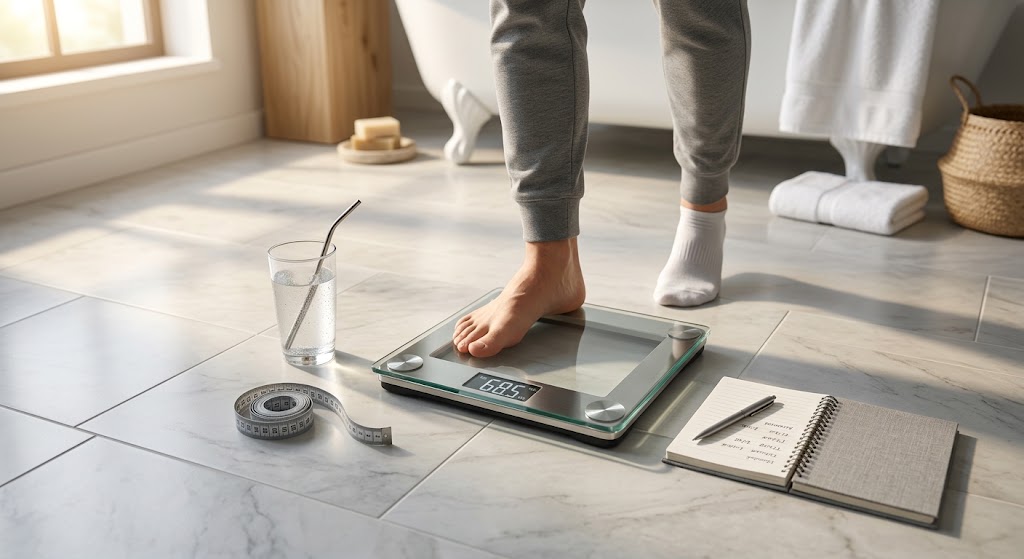
Understanding water weight vs fat loss is essential if you want to avoid feeling frustrated by daily scale fluctuations. Rapid shifts on the scale often make it hard to tell whether you are shedding excess fluid or burning actual body fat. In this comprehensive guide, you will discover key signs to look for, how fluid shifts hide true progress, and how to track your body recomposition accurately. Read on.
Quick Answer
- Water Weight Definition: Extra fluid stored in body tissues that causes rapid weight changes, bloating, and temporary puffiness.
- Fat Loss Definition: The gradual reduction of stored body fat resulting from a consistent energy deficit and lifestyle habits.
- Rapid Fluctuations: Sudden scale drops within a few days usually signal water weight loss rather than fat loss.
- Track Smartly: Rely on weekly body measurements, progress photos, and clothing fit instead of daily scale readings alone.
- Look for Multiple Signs: Body fat can decrease while total weight remains unchanged due to fluid shifts and muscle retention.
Water Weight vs Fat Loss: Understanding the Core Differences
Water weight and stored body fat function completely differently inside the body. Recognizing the distinction between water weight vs fat loss helps explain why your body mass can change dramatically overnight.

What Water Weight Means
Fluid retention occurs when your body holds onto extra water. Since the human body consists of roughly 60% water, holding fluid is a normal biological function. However, temporary fluid build-up can alter scale weight by a pound or more overnight, leading to sudden abdominal bloating and puffiness in hands or feet. Sodium intake, hormonal shifts, stress, and dietary changes trigger these rapid fluid movements.
What Fat Loss Means
Adipose tissue (body fat) builds up and breaks down slowly. Unlike sudden fluid shifts, true fat loss happens when your body burns stored adipose tissue for fuel through a sustained calculated calorie deficit for fat loss. Losing body fat requires steady lifestyle consistency rather than quick temporary adjustments.
Why the Scale Changes Quickly
Standard bathroom scales only measure your total mass; they cannot distinguish between muscle, bone, fluid, and adipose tissue. Large weight changes over 24 to 48 hours almost always point to fluid variations. Fluid exits the body through perspiration, urination, respiration, and digestion. When fluid levels rise again, scale weight returns just as fast.
Signs You Are Shedding Water Weight
If you notice a sharp drop on the scale within 2 to 3 days of starting a new routine, you are likely experiencing fluid loss.
- Swift Drops from Low-Carb Diets: Reducing carbohydrate intake depletes muscle glycogen stores. Because each gram of stored glycogen holds significant water, using up energy reserves releases several pounds of water rapidly.
- Rapid Rebound Weight: Shifts in dietary sodium, hydration, and carbs cause quick fluid retention, causing scale weight to jump by several pounds within hours.
Signs You Are Shedding Stored Body Fat
When analyzing water weight vs fat loss, physical structural changes prove true fat reduction even when scale numbers stay flat. Clinical guidelines from the National Institutes of Health (NIH) show that genuine fat loss leads to sustainable body composition improvements:
- Looser Clothing Fit: Jeans, coats, shirts, and waistbands feel roomier.
- Decreased Circumference Measurements: Your waist, thigh, and hip circumferences drop, improving your waist-to-height ratio.
- Physical Comfort Changes: Rings slide off fingers more easily, towel ends overlap further, and inner-thigh friction decreases during daily walking.
- Enhanced Muscle Definition: Shoulder cap outlines, collarbones, and calf definition become far clearer.
- Clear Progress Photos: Side-by-side photos taken weeks apart reveal a slimmer side profile and reduced torso width.
How to Track Fat Loss Without Relying Only on the Scale
Because fluid shifts, digestion, and hormones distort daily scale numbers, use multiple tracking methods for a clearer progress assessment.
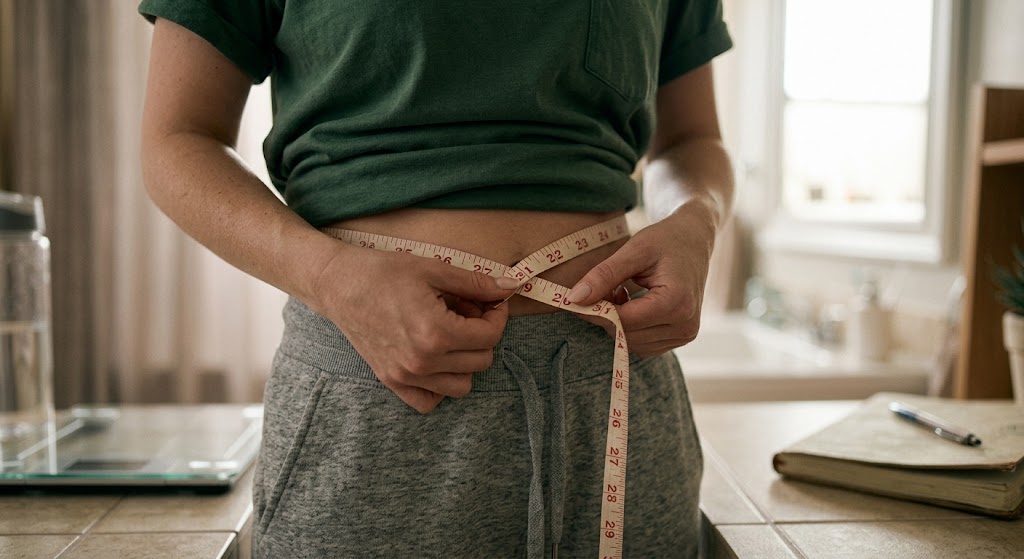
- Weigh In Consistently: Log your weight under identical conditions (e.g., mornings after waking) and track 7-day average trends rather than single daily numbers.
- Take Weekly Body Measurements: Use a flexible tape measure to track waist, hip, thigh, and chest circumferences once a week at the exact same spots.
- Document Progress Photos: Take front, side, and back photos every 2 to 4 weeks using consistent lighting, clothing, and poses.
- Observe Clothing Changes: Pay close attention to how your favorite pants fit. Looser clothing remains one of the most reliable indicators of actual fat loss.
- Combine Multiple Indicators: Pair scale weight and body measurements with strength performance gains in your beginner weight training routines to confirm body recomposition.
Why Water Retention Hides Real Fat Loss
Fluid balance shifts frequently mask steady fat loss on the scale. You can easily lose a pound of pure fat while retaining a pound of fluid, making scale weight appear static.
According to health analysis from Harvard Health, common causes of temporary water retention include:
- Carbohydrate Intake & Glycogen Replenishment: Eating higher-carbohydrate meals replenishes muscle glycogen, temporarily pulling water into cells.
- High Sodium Consumption: Salty meals cause acute fluid retention to balance electrolyte concentration.
- Exercise-Induced Inflammation: Starting new workout programs creates micro-tears in muscle fibers, causing temporary localized fluid retention during repair.
- High Stress and Poor Sleep: Elevating cortisol levels by sleeping less than 6 hours a night spikes fluid retention.
- Hormonal Shifts: Natural menstrual cycle changes cause predictable fluid retention and temporary bloating.
How Long Does It Take to Notice Real Fat Loss?
Initial weight drops during week 1 stem largely from stored water and glycogen. True fat loss occurs at a healthy rate of roughly 1 to 2 pounds per week.
Expert resources from the Academy of Nutrition and Dietetics highlight that while fluid levels shift daily, noticeable visual progress follows a predictable timeline:
- Weeks 1 to 3: Weight changes primarily reflect glycogen and fluid shifts. Subtle visual changes begin toward week 3.
- Weeks 4 to 8: Clothes fit noticeably looser. Waist, hip, and thigh measurements show clear downward progress.
- Months 2 to 4: Losing 10 to 20 pounds produces dramatic visual reductions in the torso, arms, face, and overall frame.
Common Errors When Comparing Water Weight vs Fat Loss
To avoid unnecessary stress while evaluating your water weight vs fat loss progress, avoid these common analytical mistakes:
- Weighing Yourself Multiple Times Daily: Daily weight swings are driven by hydration, bowel movements, and meals—not instant fat changes.
- Relying Solely on Scale Weight: Ignoring measurements, clothing fit, and photos creates a false impression of stalled progress.
- Ignoring Muscle Gains: Building lean muscle mass while burning fat keeps scale weight steady while dramatically shrinking your waistline.
- Inconsistent Tracking Conditions: Using different scales, weighing at different times of day, or taking unstandardized measurements distorts real trends.
Frequently Asked Questions
1. Can weight stay the same while body fat decreases?
Yes. Building lean muscle mass or retaining temporary fluid can keep scale weight constant even while losing body fat and shrinking your waistline.
2. Why can the same body weight look completely different over time?
Changes in muscle-to-fat ratio alter your body composition. Increased muscle density makes your frame look leaner and firmer at the exact same scale weight.
3. Why should I use the exact same locations for body measurements?
Measuring at identical anatomical landmarks ensures data consistency, helping you accurately detect real weekly circumference changes.
4. Why do different bathroom scales give different readings?
Calibration differences and surface unevenness cause discrepancies between scales. Always use the same scale on a flat, hard surface for consistent data.
5. What should I do if my weight suddenly spikes overnight?
Do not panic. Sudden overnight weight increases stem from fluid retention, sodium, carbs, or delayed digestion rather than instant fat gain. Look at your 7-day average trend instead.