
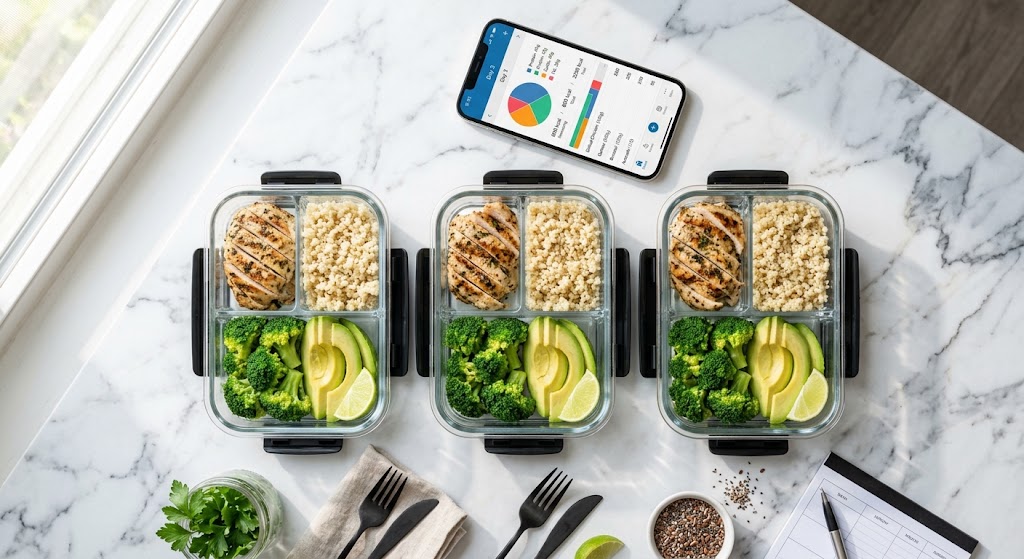
Understanding how to set your macros for weight loss can transform your fitness journey. While tracking calories is important, dividing your daily energy intake into optimal amounts of protein, carbohydrates, and dietary fats helps manage hunger, preserve lean muscle, and support long-term adherence. In this detailed guide, you will learn how to calculate, track, and adjust your macronutrient ratios effectively. Read on.
Quick Answer
- Focus Beyond Calories: Setting daily target grams for protein, carbs, and fats ensures superior body recomposition compared to tracking calories alone.
- Prioritize Protein Intake: Aim for 0.8 to 1.2 grams of protein per pound of body weight to maximize fullness, support recovery, and preserve lean muscle mass.
- Keep Carbs for Energy: Include complex carbohydrates to fuel intense workouts, replenish muscle glycogen, and improve diet sustainability.
- Include Healthy Fats: Dietary fat supports vital hormone production, brain function, vitamin absorption, and digestion control.
- Monitor and Adjust: Track portions accurately using a digital food scale and adjust your macro ratios as body weight and activity levels change.
What Are Macros and Why Do They Matter for Weight Loss?
Macros is short for macronutrients: protein, carbohydrates, and fats. When optimizing macros for weight loss, setting specific daily gram targets ensures that your body receives the right balance of nutrients while remaining in an energy deficit.
The macronutrient structure of your diet directly influences appetite hormones, metabolic rate, and muscle preservation. Each macro provides a specific energy density per gram:
- Protein: Supplies 4 calories per gram. It has the highest thermic effect of food (TEF), burning 20% to 30% of its calories during digestion.
- Carbohydrates: Supplies 4 calories per gram. Carbs serve as the primary fuel source for high-intensity training and brain function.
- Fats: Supplies 9 calories per gram. Fats provide dense energy, aid hormone regulation, and slow down digestion for prolonged fullness.
Understanding this calorie density difference explains why a single tablespoon of olive oil contains roughly the same caloric value as two full cups of fresh broccoli.
Macros for Weight Loss: Protein, Carbs & Fat Ratio Guide
Each macronutrient serves a specific physiological purpose when creating a diet plan tailored for fat loss.
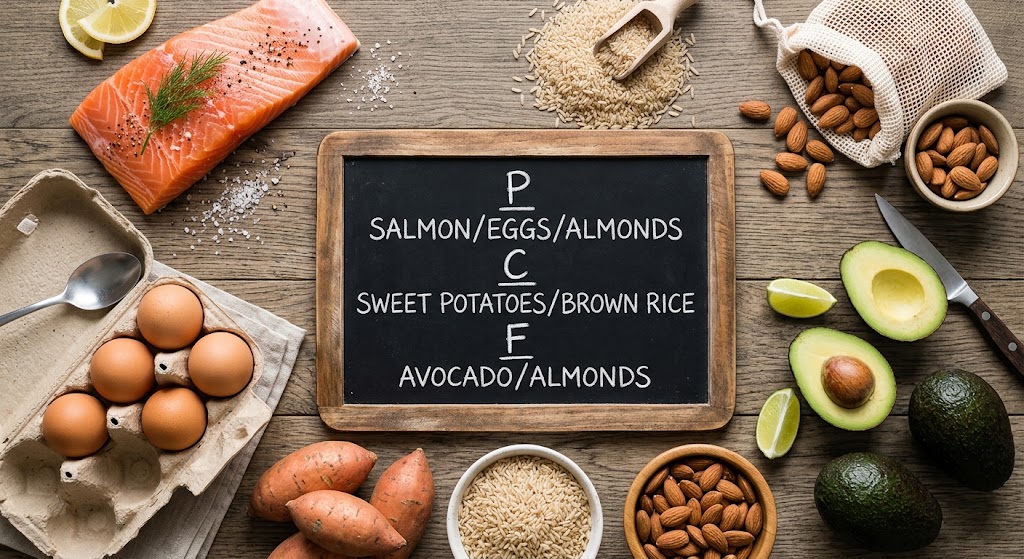
1. How Much Protein Do You Need?
Aim for 0.8 to 1.2 grams of protein per pound of total body weight daily. If you are operating in an aggressive calorie deficit or engaging in heavy weightlifting, aim for the higher end of this range. Consuming adequate protein protects lean tissue from being used as fuel during weight loss.
2. How Many Carbs Should You Eat?
Carbohydrates supply readily available glycogen for intense weight training and cardio sessions. Maintaining adequate carbs prevents premature fatigue, protects against muscle breakdown, and makes your meal plan far more enjoyable and sustainable long term.
3. How Much Fat Should You Eat?
Dietary fats are essential for supporting thyroid function, testosterone production, and absorbing fat-soluble vitamins (A, D, E, and K). Including sources of omega-3 and omega-6 fatty acids ensures optimal joint and cardiovascular health during periods of restriction.
How to Calculate Your Macros for Weight Loss
Calculating your target intake begins by determining your Basal Metabolic Rate (BMR) using standard formulas like the Mifflin-St Jeor equation. Multiplying your BMR by your physical activity factor gives your Total Daily Energy Expenditure (TDEE).
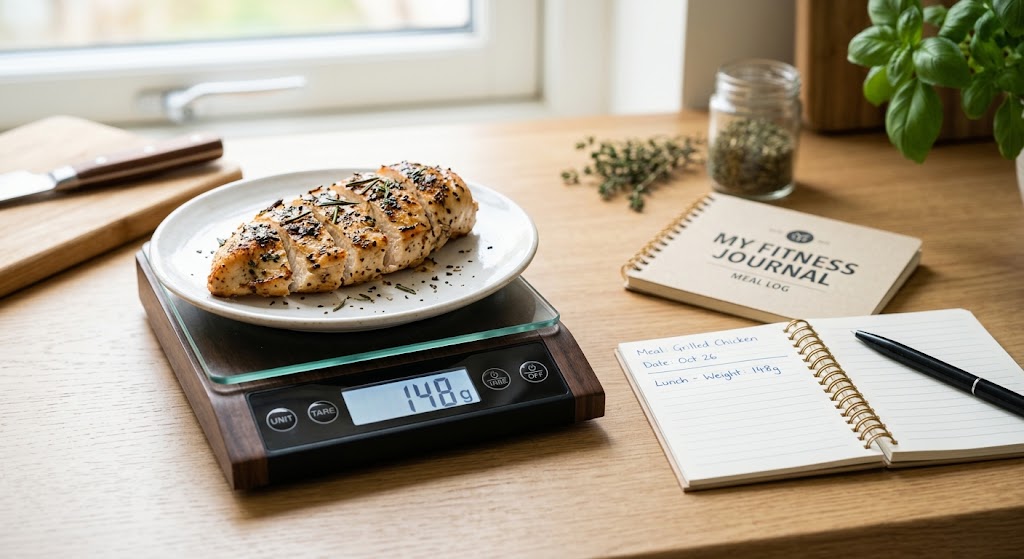
To calculate effective macros for weight loss, apply a moderate calorie reduction of 15% to 25% below your baseline TDEE. Set your target macros using these step-by-step benchmarks:
- Resistance-Trained Males: Set baseline protein at 1.0g per centimeter of height.
- Non-Training Males: Set baseline protein at 0.8g per centimeter of height.
- Resistance-Trained Females: Set baseline protein at 0.8g per centimeter of height.
- Non-Training Females: Set baseline protein at 0.65g per centimeter of height.
After setting your daily protein intake, allocate your remaining daily calories between carbohydrates and healthy fats based on personal preference, digestive comfort, and activity demands.
Practical Macro Calculation Example
Consider a 35-year-old active male weighing 80 kg (178 cm tall) who lifts weights 4 to 5 times per week. His estimated baseline maintenance is approximately 2,720 calories. Applying a moderate 17% deficit brings his daily fat loss target to roughly 2,260 calories.
His daily macro targets calculate to: 178g Protein (712 kcal), 63g Fat (567 kcal), and 245g Carbohydrates (980 kcal), adding up perfectly to his 2,260-calorie goal.
Best Foods to Hit Your Weight Loss Macros
Selecting nutrient-dense whole foods makes hitting your daily macros for weight loss simpler and more satisfying. Structure your grocery shopping around these core macronutrient sources:

- Lean Protein Sources: Chicken breast, turkey breast, extra lean ground beef, egg whites, whole eggs, cottage cheese, non-fat Greek yogurt, tuna, cod, and salmon.
- Complex Carbohydrate Sources: Oats, quinoa, brown or wild rice, sweet potatoes, lentils, black beans, whole-grain bread, berries, apples, and fiber-dense vegetables.
- Healthy Fat Sources: Extra virgin olive oil, avocados, almonds, walnuts, chia seeds, flaxseeds, natural peanut butter, and pumpkin seeds.
You can structure your daily nutrition using the plate method: fill one-third of your plate with lean protein, one-third with complex carbohydrates, and complete the remainder with fibrous greens and healthy fats.
Common Macro Mistakes That Slow Fat Loss Progress
Avoid these common missteps when tracking your daily nutrient ratios:
- Ignoring Food Quality: Hitting macro numbers using mostly processed foods leads to micronutrient deficiencies, poor recovery, and increased hunger.
- Eyeballing Portions: Guessing serving sizes frequently results in underestimating fat and carb intake. Use a digital kitchen scale for accurate tracking.
- Forgetting Liquid Calories: Specialty coffees, sweetened beverages, dressings, and cooking sprays add uncounted calories that erode your deficit.
- Neglecting Dietary Fiber: Failing to consume enough fiber from fruits and vegetables impairs digestive health and fullness.
- Copying Rigid Ratios: Standardized generic ratios fail to account for individual differences in metabolic health, body size, and training intensity.
How to Adjust Your Macros Over Time
As you lose body mass, your maintenance baseline lowers naturally. Clinical research indexed by the Harvard Health Institute confirms that metabolic adaptation eventually slows rate of weight loss over extended dieting periods.
Before making adjustments, ensure you have consistently hit your target macros for weight loss within 5 grams for at least 2 to 3 consecutive weeks without seeing non-scale or scale progress.
If your progress stalls, consider these strategic adjustments:
- Shift Carb and Fat Ratios: Keep total calories and protein constant while lowering fats slightly and increasing carbs (or vice versa) to break performance plateaus.
- Reduce Intake Slightly: Decrease daily intake by 10% to 15% by making small reductions to carbohydrates and fats while keeping protein high.
- Implement a Maintenance Phase: After 12 to 16 weeks of dieting, gradually increase calories back to baseline maintenance to reset metabolic efficiency.
Frequently Asked Questions
1. What should I do if my macro targets leave me feeling hungry?
Increase your intake of high-volume, low-calorie foods rich in fiber and water, such as leafy greens, berries, and cruciferous vegetables. Ensure you are meeting your higher protein target consistently.
2. Can I fit treats into my weight loss macros?
Yes. Following an 80/20 approach—where 80% of your calories come from nutrient-dense whole foods—allows you to fit occasional treats into your remaining carb and fat allocations.
3. How can I simplify macro tracking during busy weekdays?
Prepare standard meals in bulk using high-protein meal prep strategies. Pre-logging your planned meals into a food tracking app in the morning saves time and eliminates guessing.
4. Why am I not losing weight despite hitting my macros?
Double-check portion accuracy using a kitchen scale. Unrecorded cooking oils, dressings, casual bites, and inaccurate restaurant logging are the most common causes of hidden calories.
5. How do I know if my macro adjustments are working?
Evaluate progress using 7-day average scale trends, body circumference measurements, workout energy, and progress photos over a 3-to-4-week window.