
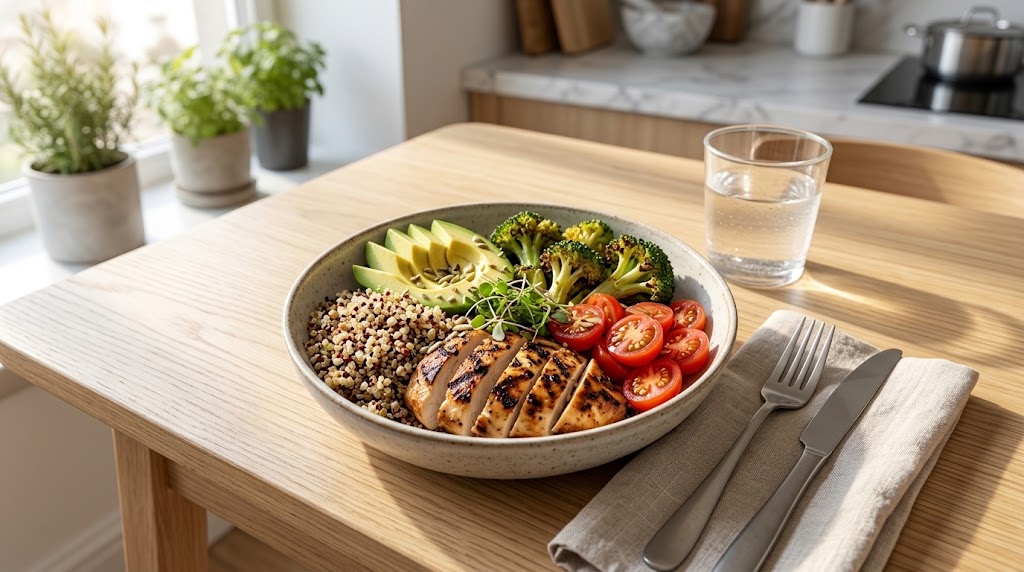
Selecting the best foods to eat in a calorie deficit makes managing daily hunger significantly easier while keeping energy levels steady. When restricting total caloric intake, prioritizing nutrient-dense options rich in dietary protein, fiber, and water volume prevents premature appetite spikes. In this guide, you will discover top high-satiety choices, meal-building strategies, and practical portion control methods to achieve sustainable results. Read on.
Quick Answer
- Focus on High Satiety: Prioritize whole foods like leafy greens, berries, legumes, and whole grains that deliver volume with minimal energy density.
- Anchor Meals with Protein: Center daily nutrition around lean options like chicken breast, fish, eggs, and Greek yogurt to preserve muscle mass.
- Leverage Dietary Fiber: Add high-volume vegetables and complex grains to delay digestion and maintain long-lasting fullness.
- Measure Calorie-Dense Fats: Keep portions of healthy fats—such as nuts, seed oils, avocados, and butter—controlled to avoid accidental calorie surpluses.
- Minimize Highly Processed Snacks: Reduce refined pastries, fast food, and sugary treats that offer low fullness relative to their high caloric value.
What Makes a Food Ideal for Fat Loss?
The best foods to eat in a calorie deficit supply maximum nutritional value while keeping total energy intake low. Evaluating foods based on these nutritional characteristics ensures better hunger control:
1. High Nutrient Density
Nutrient-dense foods provide essential vitamins, minerals, and antioxidants without loading your diet with excess calories. Choosing whole foods ensures your body receives baseline micronutrients even during restricted intake periods.
2. Fiber Content and Physical Volume
Fibrous vegetables and whole grains absorb water and expand in the stomach, physically signaling fullness to the brain. According to clinical guidance from the Academy of Nutrition and Dietetics, increasing meal volume with high-fiber choices reduces overall calorie intake without causing hunger.
3. Protein-Driven Satiety
Protein requires more energy to digest than carbohydrates or fats and stimulates satiety hormones effectively. Incorporating quality protein sources helps maintain lean body mass while keeping cravings manageable throughout the day.
Best Foods to Eat in a Calorie Deficit (High-Satiety List)
To optimize your meal plan, incorporate these high-volume, low-energy choices into your daily diet:
1. High-Fiber Vegetables
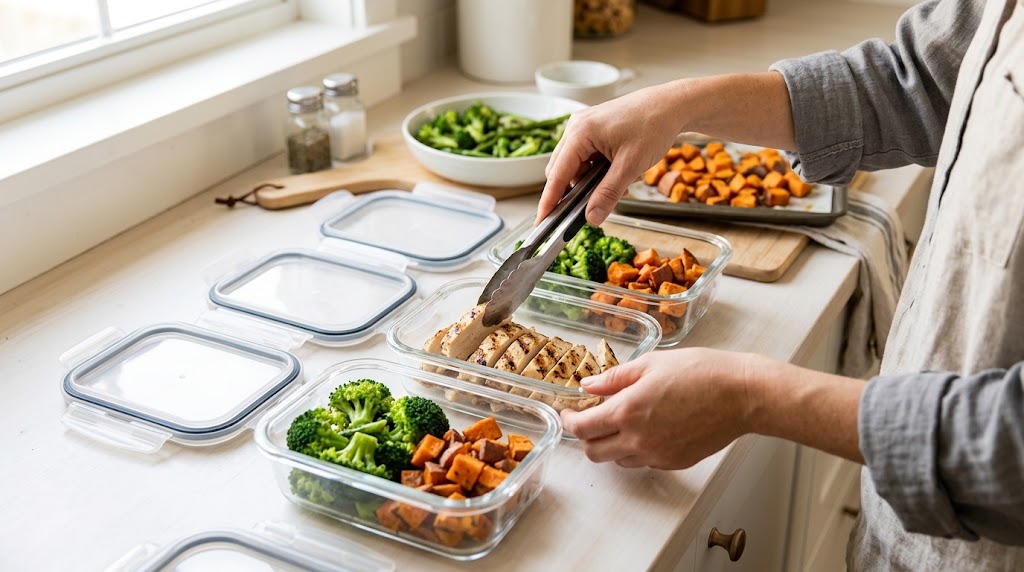
Cruciferous and leafy vegetables add significant bulk to meals for negligible calories. Include broccoli, cauliflower, cabbage, spinach, zucchini, mushrooms, cucumbers, and carrots. Stocking frozen vegetables provides a quick, nutritious option for busy weekday dinners.
2. Low-Calorie Fruits
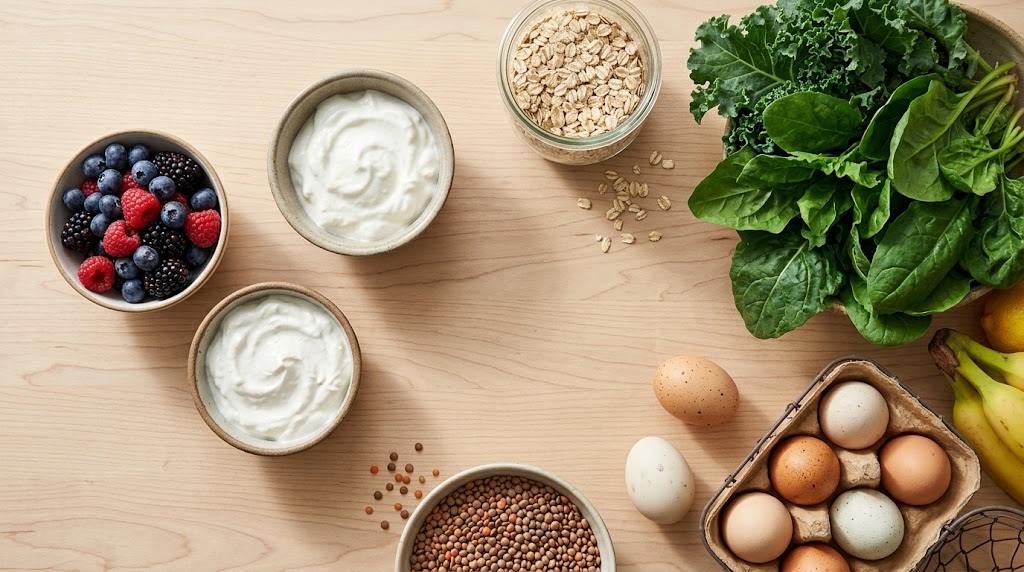
Fresh fruit satisfies sweet cravings while supplying hydration, dietary fiber, and essential vitamins. Excellent options include strawberries, blueberries, raspberries, apples, oranges, and watermelon.
3. Legumes and High-Fiber Grains
Beans, lentils, chickpeas, and oats provide a powerful combination of plant protein and slow-digesting fiber. A single cup of cooked lentils offers roughly 18 grams of protein and 16 grams of fiber for just 230 calories.
4. Complex Carbohydrates
Carbohydrates fit perfectly into an energy-restricted plan when serving sizes remain sensible. Focus on baked potatoes, sweet potatoes, brown rice, quinoa, and whole-grain wraps. Pairing a baked potato with Greek yogurt and lean meat creates a deeply satisfying, nutrient-packed meal.
How to Build Filling Meals While Staying in a Calorie Deficit
Structuring your daily plate around the best foods to eat in a calorie deficit ensures consistent energy without overshooting your target calories:
- Establish a Protein Base: Aim for 20 to 30 grams of protein per meal. Examples include a palm-sized portion of chicken breast (25g protein), one cup of low-fat Greek yogurt (20g protein), or three large eggs (18g protein).
- Maximize Plate Volume with Veggies: Swap high-calorie bases for vegetable alternatives like zucchini noodles or cauliflower rice. Combining volume vegetables with protein keeps meal size satisfying.
- Measure Calorie-Dense Additions: Healthy fats are vital for health, but because dietary fat contains 9 calories per gram (compared to 4 calories per gram for protein and carbs), measure portions carefully. Limit olive oil to 1 tablespoon or avocado to a quarter-slice per serving.
Complementing a high-satiety diet with a structured beginner full-body home workout routine helps preserve lean muscle while maximizing fat loss.
Foods to Limit When Trying to Stay in a Calorie Deficit
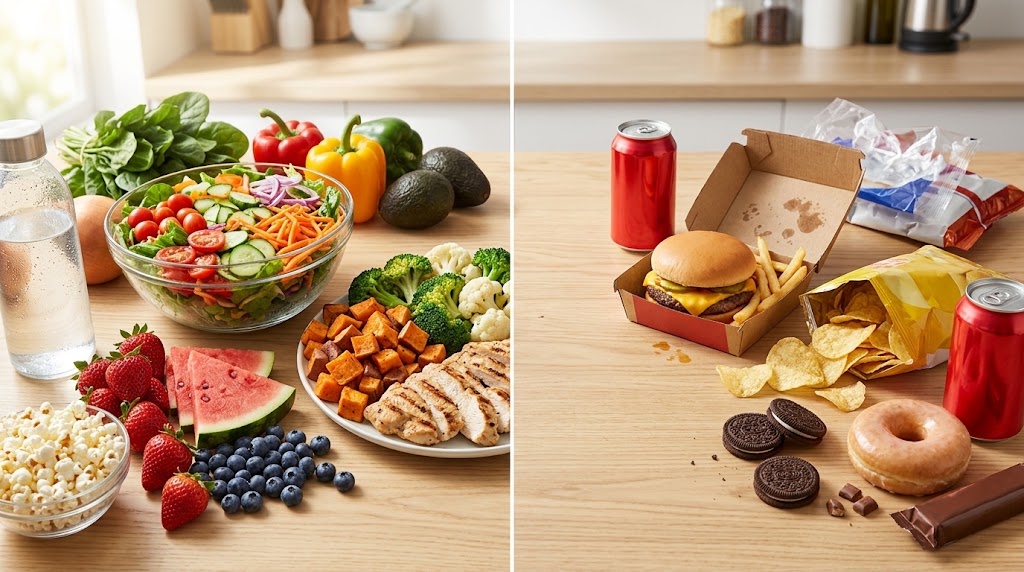
While no single food must be strictly banned, certain hyper-palatable choices make adhering to a caloric target challenging due to their high caloric density and low satiety:
- Bakery Products and Pastries: Donuts, muffins, cookies, and cakes blend refined carbohydrates and fats with minimal protein, leading to rapid digestion and fast hunger recurrence.
- Salty Processed Snacks: Potato chips, crackers, and snack mixes are easy to consume absentmindedly in large quantities straight from the package.
- Fast Food and Pizza: Commercial pizza and fast-food meals combine high fat, refined starch, and sodium, delivering large calorie loads in small portions.
- Processed Sweets and Chocolates: Candy bars and milk chocolates deliver quick sugars without promoting long-term fullness.
- “Health Halo” Options: Energy bars, store-bought granolas, nut butters, and trail mixes contain healthy ingredients but carry dense calories that quickly accumulate if unmeasured.
Pairing poor nutritional choices with lifestyle stressors can compound weight stalls. Studies hosted by the National Institutes of Health (NIH) show that sleeping less than 6 hours a night elevates hunger hormones, making high-calorie foods even harder to resist.
Frequently Asked Questions
1. Can high-calorie foods be eaten while in a calorie deficit?
Yes. High-calorie foods like nuts, avocados, and oils fit into a diet as long as total daily calories remain within your target energy deficit.
2. Are frozen vegetables effective for a fat loss diet?
Yes. Frozen vegetables preserve their nutritional value, offer convenience, and help you quickly add high-fiber volume to meals.
3. Should carbohydrates be eliminated during fat loss?
No. Complex carbohydrates like potatoes, oats, quinoa, and fruit provide energy, fiber, and essential nutrients while supporting intense physical training.
4. Why do some healthy foods cause accidental overeating?
Nutrient-dense options such as nut butters, olive oil, and trail mixes are calorie-dense. Without using a kitchen scale, serving sizes are easily underestimated.
5. What are the best foods to eat in a calorie deficit when craving sugar?
Fresh fruits like berries, apples, and oranges offer natural sweetness along with water and dietary fiber to satisfy cravings while keeping calories low.