
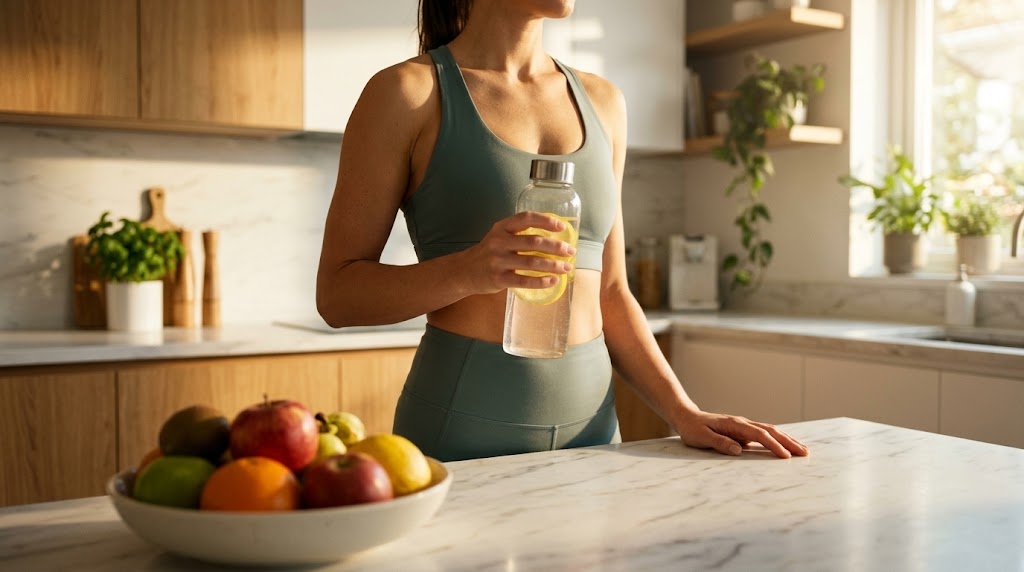
Feeling persistent hunger or frequently reaching for sugary beverages can stall your fat loss progress. Many beginners wonder: does drinking water help you lose weight, or is it just a common fitness myth? While hydration is not a magic solution, strategic water consumption can suppress appetite, replace liquid calories, and support metabolic function. In this complete guide, you will learn how water impacts fat loss and how to optimize your daily hydration routine. Read on.
Quick Answer
- Appetite Control: Drinking water before meals creates temporary stomach fullness, which helps curb overeating and mindless snacking.
- Zero-Calorie Replacement: Swapping sodas, juices, and sweetened coffees for plain water eliminates hundreds of empty daily calories.
- Workout Performance: Proper hydration maintains blood volume and physical stamina during intense fat-burning workout routines.
- Minor Metabolic Boost: Water-induced thermogenesis slightly increases baseline calorie expenditure, though the total effect remains small.
- Support Tool, Not a Cure: Hydration enhances fat loss efforts, but it must be paired with a structured caloric deficit for weight loss to produce lasting results.
How Does Drinking Water Help With Weight Loss?
So, does drinking water help you lose weight in a measurable way? While water does not directly dissolve body fat, staying properly hydrated supports body composition goals through several mechanisms:
1. Promotes Fullness and Reduces Appetite
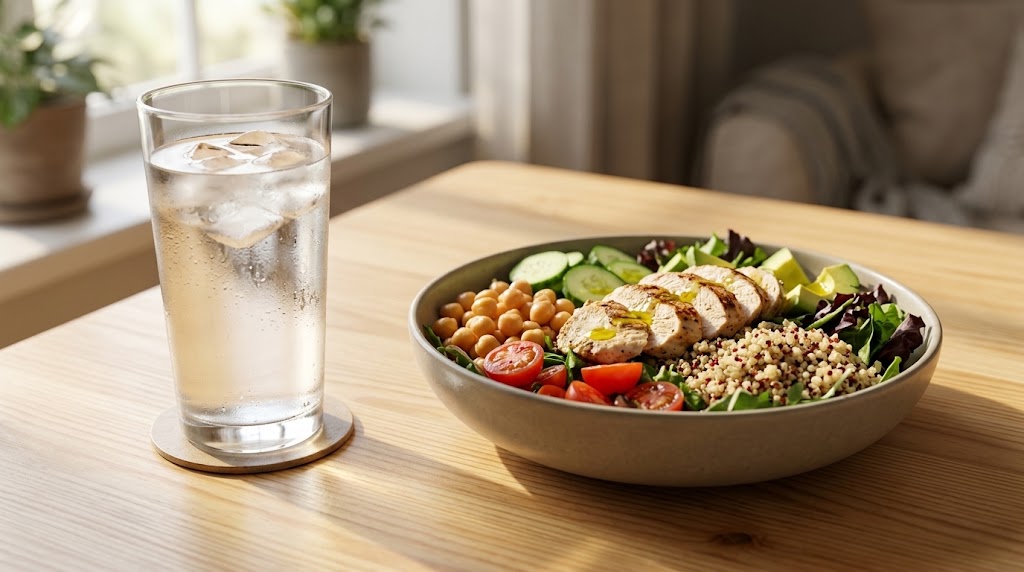
Consuming water before dining stretches stomach walls, sending temporary fullness signals to the brain. Furthermore, the brain’s hypothalamus processes thirst and hunger signals using similar pathways; drinking water helps prevent mistaking dehydration for food cravings.
2. Eliminates High-Calorie Beverages
Replacing sugary carbonated drinks, commercial energy beverages, and flavored lattes with plain water dramatically lowers overall energy intake. Liquid sugars do not trigger satiety signals as effectively as solid foods, making them a common cause of accidental calorie surpluses.
3. Supports Physical Performance and Recovery
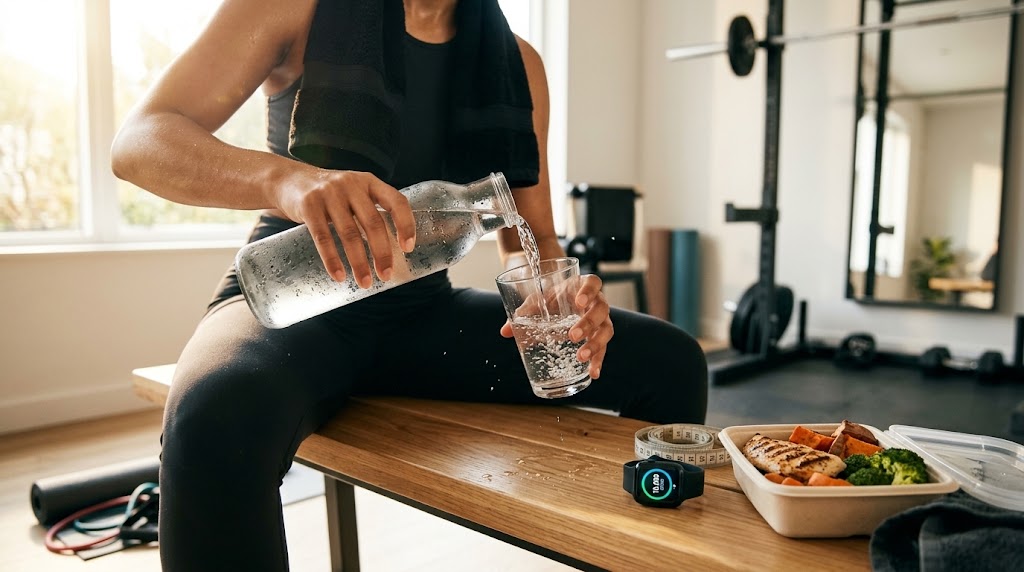
Dehydration lowers total blood volume, forcing the heart to work harder and increasing physical fatigue during workouts. Adequate hydration preserves strength, muscular endurance, and overall physical performance when training in a caloric deficit.
Can Drinking Water Boost Your Metabolism?
When asking, does drinking water help you lose weight by speeding up metabolism, the short answer is yes—but the impact is minor.
Water-Induced Thermogenesis
When you drink cold water, your body uses a small amount of energy to warm the liquid up to core body temperature (37°C). Research indexed by the National Institutes of Health (NIH) suggests that drinking roughly 1.5 to 2 liters of cold water daily burns an extra 20 to 30 calories.
While cold water burns slightly more energy than room-temperature water, this thermogenic effect is clinically minimal. Water temperature should not be relied upon as a primary fat loss strategy.
Does Drinking Water Before Meals Help You Lose Weight?
Drinking roughly 500 ml (16 oz) of water 30 minutes before major meals can assist with appetite regulation, particularly in middle-aged and older adults. Clinical trials highlighted by Harvard Health show that pre-meal water intake slightly reduces total calorie intake per sitting.
However, water contains zero macronutrients (protein, fiber, or healthy fats) that trigger long-term satiety hormones. Because water empties from the stomach quickly, any sense of fullness is brief. Pre-meal hydration should be viewed as an appetite control aid rather than a standalone weight loss method.
How Much Water Should You Drink for Weight Loss?
Standard dietary guidelines established by the Academy of Nutrition and Dietetics recommend a general baseline total fluid intake:
- Men (19+ years): Approximately 3.7 liters (125 oz) per day from all beverages and food.
- Women (19+ years): Approximately 2.7 liters (91 oz) per day from all beverages and food.
Key Personalization Factors
Your actual daily fluid requirement varies based on several lifestyle variables:
- Body Mass & Composition: Larger individuals require more fluid to support metabolic processes.
- Physical Activity & Sweating: Intense physical exercise increases water loss, requiring additional fluid intake.
- Climate & Humidity: Hot environments accelerate fluid loss through respiration and perspiration.
A simple way to check your hydration status is monitoring urine color. Light straw or pale yellow urine typically indicates adequate hydration, whereas dark yellow urine signals mild dehydration.
What Should You Drink Instead of Water for Weight Loss?
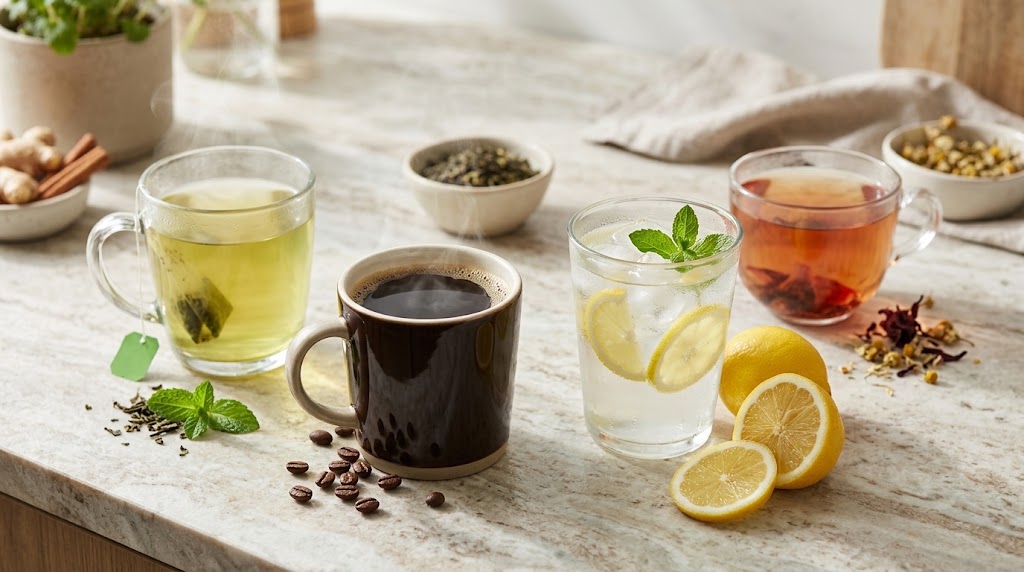
If you prefer beverage variety beyond plain water, several low-calorie options support fat loss goals:
- Green Tea: Contains epigallocatechin gallate (EGCG) and caffeine, which support thermogenesis and fat oxidation.
- Black Coffee: A zero-calorie beverage providing caffeine and antioxidants to enhance physical energy and reduce short-term appetite.
- Herbal Teas: Peppermint, ginger, and hibiscus teas offer caffeine-free hydration that aids digestion.
- Protein Shakes: Mixing protein powder with water creates a highly satisfying drink that preserves lean muscle mass during weight loss.
- Diluted Apple Cider Vinegar: Mixing 1 to 2 tablespoons of ACV in water before meals may assist with blood sugar response and satiety.
Beverages to Limit or Avoid
To avoid uncounted calories, limit sweetened coffee drinks, commercial fruit juices, regular sodas, pre-made smoothies, and alcoholic cocktails.
Common Mistakes to Avoid When Using Water for Weight Loss
When asking does drinking water help you lose weight, avoiding these common hydration mistakes ensures consistent progress without physical discomfort:
- Relying on Water Instead of Meals: Drinking excessive water to skip meals leads to severe nutrient deficiencies, muscle loss, and intense binge-eating episodes later.
- Ignoring Electrolyte Balance: Chugging extreme quantities of plain water without consuming adequate sodium, potassium, and magnesium can dilute blood electrolyte levels.
- Chugging Large Quantities At Once: Drinking massive amounts of water in a short time causes stomach bloating and discomfort. Sip water continuously throughout the day instead.
- Overlooking Inadequate Rest: Sleeping less than 6 hours a night raises stress hormones like cortisol, increasing fluid retention and masking weight loss progress.
Practical Tips to Increase Your Daily Water Intake
- Eat Hydrating Foods: Incorporate water-rich fruits and vegetables like cucumbers, watermelons, strawberries, celery, and zucchinis into your meal plan.
- Keep a Reusable Water Bottle Nearby: Place a refillable water bottle on your desk, in your car, or next to your workout gear.
- Infuse Natural Flavors: Add cucumber slices, fresh mint leaves, or lemon wedges to plain water to make drinking more enjoyable without adding sugars.
- Establish Hydration Triggers: Drink a glass of water immediately upon waking, before each main meal, and during exercise breaks.
Frequently Asked Questions
1. Does drinking water help you lose weight if you don’t change your diet?
No. While drinking water helps control appetite and replace sugary drinks, fat loss requires maintaining a overall caloric deficit through proper nutrition and activity.
2. Can drinking water stop unnecessary snacking?
Yes. Drinking a glass of water when sudden hunger strikes helps clarify whether your body is experiencing true appetite or mild dehydration.
3. Is cold water better than room-temperature water for fat loss?
Cold water burns a few additional calories as your body warms it to core temperature, but the difference (20–30 calories daily) is too minor to impact fat loss significantly.
4. Can drinking too much water hinder weight loss progress?
Excessive water intake without sufficient sodium can cause temporary water retention and fluid imbalance, which may artificially stall scale numbers.
5. How do I know if I am drinking enough water daily?
Check your urine color. Pale straw-colored urine indicates healthy hydration, while dark yellow urine means you should drink more fluids.