
If abdominal adiposity is hindering your progress, adopting a consistent movement routine can serve as an accessible entry point. Many active individuals ask: does walking reduce belly fat effectively? Understanding how daily step counts influence visceral fat stores allows you to structure your weekly routines for maximum result. In this guide, you will learn the science of walking for fat loss, ideal weekly durations, and intensity boosters. Read on.
Quick Answer
- Overall Body Fat Reduction: Walking lowers total body fat percentage; while you cannot target fat loss in one spot, abdominal fat decreases as overall body fat drops.
- Target 150 Weekly Minutes: Aim for approximately 30 minutes of brisk walking 5 days per week to support consistent energy expenditure.
- Maintain Moderate Intensity: Walk at a pace that elevates heart rate and breathing while allowing comfortable conversation (roughly 3 mph or faster).
- Combine with Resistance Training: Pair daily step goals with beginner weight training routines for greater body recomposition.
- Increase Workout Challenge: Introduce power walking intervals, treadmill inclines, weighted vests, or walking lunges if flat walking feels effortless.
Does Walking Reduce Belly Fat or Overall Body Fat?
Regular walking reduces total body fat stores, including deep abdominal layers. Clinical imaging studies show that consistent aerobic movement reduces both subcutaneous fat (located directly under the skin) and visceral fat (surrounding internal organs).
While biological factors govern individual fat loss patterns, visceral abdominal fat is metabolically active and mobilizes quickly during sustained aerobic exercise. According to health findings published by Harvard Health, regular aerobic activities like walking help decrease waist circumference over time.
How Does Walking Help With Belly Fat Loss?
Though targeted fat reduction is physically impossible, asking does walking reduce belly fat highlights how simple movement supports overall energy balance:
- Increases Daily Physical Activity: Walking is an accessible habit that elevates non-exercise activity thermogenesis (NEAT) without severe physical strain.
- Supports Energy Expenditure: Walking burns calories and, when paired with a calculated calorie deficit for fat loss, encourages your body to utilize stored adipose tissue for fuel.
- Promotes Sustainable Adherence: Low-impact aerobic movement is gentle on joints, making it far easier to maintain consistently over months.
How Much Should You Walk to Lose Belly Fat?
To evaluate how does walking reduce belly fat over time, public health standards recommend adults achieve at least 150 minutes of moderate aerobic exercise weekly.
How Long Should You Walk?
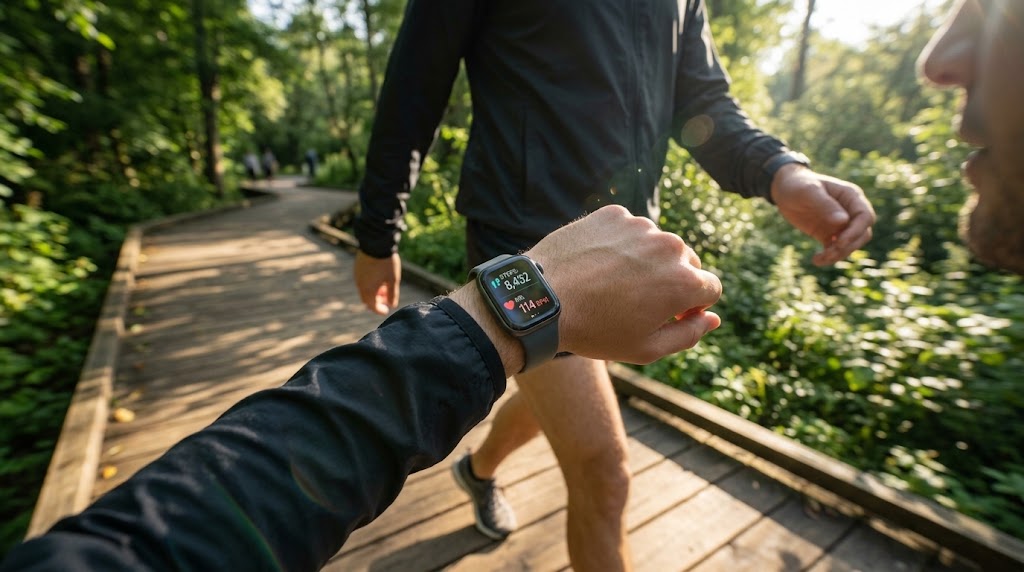
A practical baseline is 30 minutes of brisk walking 5 days per week. Beginners can structure workouts with a 5-minute easy warm-up, 20 minutes at a moderate pace, and a 5-minute cool-down.
How Often Should You Walk?
Distribute walking sessions across the week. Consistency over 12 or more weeks produces the most significant reductions in visceral abdominal measurements.
Does Walking Speed Matter?
Walking pace dictates workout intensity. A brisk pace (typically 3 mph or faster) elevates heart rate sufficiently to hit moderate intensity. You can also raise workout intensity by adding incline levels on a treadmill.
Can Walking Alone Reduce Belly Fat?
Yes, regular walking reduces abdominal circumference when sustained over time. Epidemiological research indexed by the National Institutes of Health (NIH) shows that consistent 10,000-step daily targets correlate with lower abdominal obesity markers.
In clinical trials, overweight women participating in 12-week walking programs lost an average of 1.5 inches from their waistline. Additional 1-year step studies demonstrated that adults taking 10,000 steps daily achieved an average 1.4-inch waist reduction without aggressive dietary changes.
However, programs combining aerobic movement with structured strength training yield significantly greater reductions in waist size than walking alone.
How to Make Walking More Effective for Fat Loss
If flat-ground walking feels too easy, incorporate these variations to boost core engagement and overall caloric expenditure:
- Power Walking Intervals: Alternate between 2 minutes of brisk walking and 1 minute of fast jogging. These heart-rate spikes increase overall calorie burn.
- Inclined Hill Walking: Uphill walking recruits quadriceps, glutes, and core stabilizing muscles while increasing aerobic demand.
- Weighted Walking: Wear a comfortable weighted vest or carry light dumbbells to increase total resistance per step.
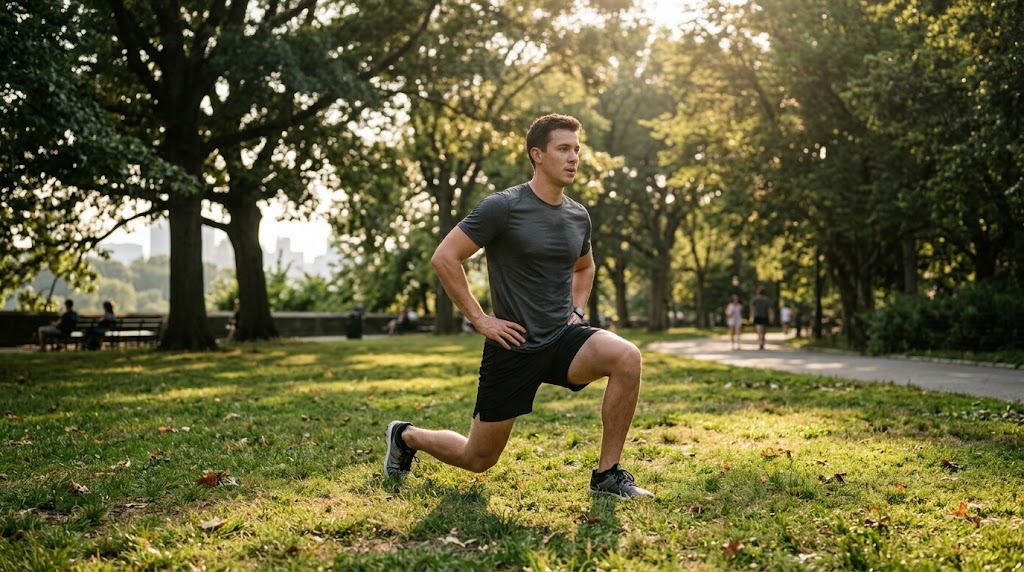
- Walking Lunges: Step forward into lunges periodically during your walk to challenge trunk stability and build lower-body strength.
Common Mistakes to Avoid
When investigating does walking reduce belly fat, avoid these common implementation errors:
- Neglecting Dietary Accuracy: Assuming walking compensates for unmeasured cooking oils, beverages, or heavy weekend intake.
- Ignoring Rest and Sleep: Sleeping less than 6 hours a night elevates stress hormones like cortisol, increasing water retention and fat storage around the midsection.
- Inconsistent Tracking: Walking sporadically twice a week rather than spreading sessions consistently over 12+ weeks.
Frequently Asked Questions
1. Can you lose belly fat from walking without changing your diet?
Daily walking increases total energy expenditure, which can produce fat loss if your current food intake remains stable. However, combining walking with caloric awareness yields faster, more reliable results.
2. Is walking indoors on a treadmill as effective as outdoor walking?
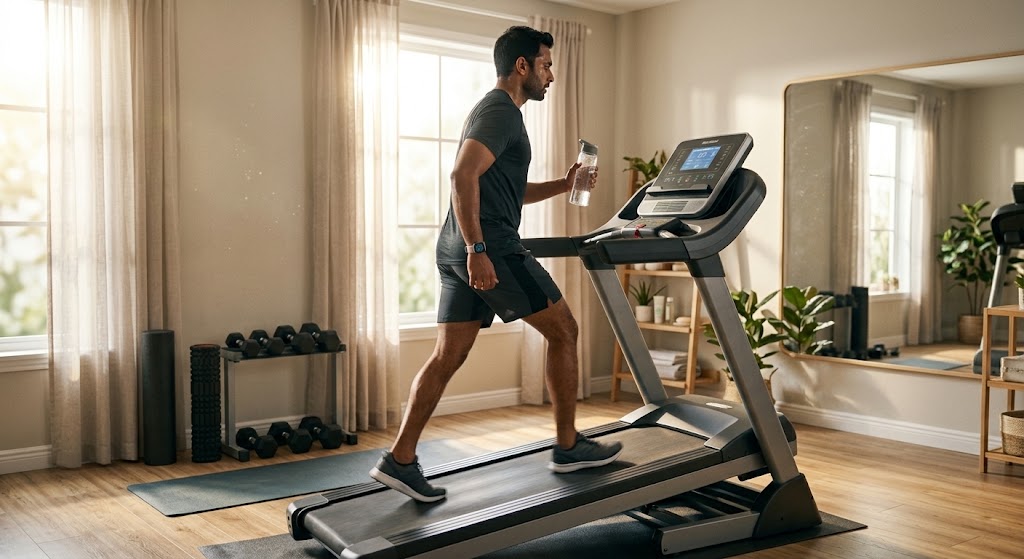
Yes. Indoor treadmill walking and outdoor walking produce equivalent calorie burn when pace, duration, and incline levels are matched.
3. What should you do if 30 minutes of walking feels too easy?
Increase your workout challenge by adjusting treadmill inclines, picking up your walking speed, carrying light weights, or introducing interval sprints.
4. Does walking help firm your midsection?
Yes, especially when incorporating uphill inclines, brisk power walking, or walking lunges, which force abdominal and stabilizing core muscles to engage.
5. How does walking reduce belly fat compared to running?
Running burns more calories per minute, but walking is easier to sustain long-term and causes less joint fatigue, making it equally effective for overall fat loss over extended timeframes.