
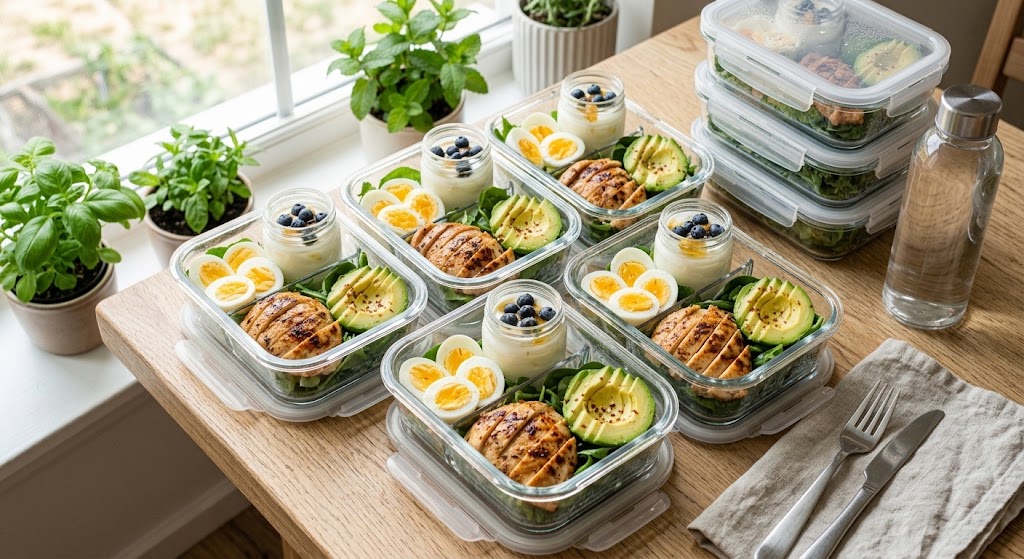
Struggling to figure out how much protein you need while burning fat or building lean mass? Determining the best protein intake for fat loss and muscle gain and spreading it evenly across your day makes your overall nutrition plan vastly more effective. In this comprehensive guide, you will learn how to calculate your daily target, optimize meal timing, and choose high-quality protein sources. Read on.
Quick Answer
- Target by Goal: Preserving muscle in a calorie deficit often requires higher relative protein intake than building muscle in a surplus.
- Aim for 20-40g Per Meal: Consuming 20 to 40 grams of protein per feeding maximally stimulates muscle protein synthesis (MPS).
- Diversify Sources: Combine lean meats, seafood, eggs, dairy, and plant-based options like tofu and legumes.
- Use Supplements Wisely: Protein powders help bridge nutritional gaps, but whole foods should form the foundation of your diet.
- Focus on Consistency: Pair your protein targets with proper resistance training, adequate sleep, and hydration.
Why Protein Matters for Body Recomposition
Protein plays a foundational role when attempting to transform your body composition. Getting the best protein intake for fat loss and muscle gain ensures you preserve metabolic tissue while shedding unwanted fat.
Protein and Muscle Growth
Weight loss often leads to a combination of fat loss and muscle breakdown. Consuming complete proteins—such as poultry, fish, eggs, dairy, and soy—delivers all nine essential amino acids required to repair and maintain lean muscle tissue.
Protein During Fat Loss
- Enhanced Satiety: Protein increases fullness and curbs appetite, making caloric deficits easier to sustain.
- Thermic Effect of Food (TEF): Protein requires more energy for your body to digest compared to fats or carbohydrates.
- Metabolic Defense: Higher protein consumption prevents metabolic drop-off by safeguarding muscle mass during calorie restriction.
How Much Protein Do You Need?
To lock in the best protein intake for fat loss and muscle gain, you must tailor your daily target to your specific training objective:

- For Muscle Building: Aim for approximately 0.75 to 0.8 grams of protein per pound of body weight daily. This baseline covers the vast majority of lifting enthusiasts.
- For Fat Loss & Muscle Retention: Increase intake to 1.2 to 1.5 grams per pound of body weight (or 1.2 to 3g per 2 lbs) daily. A caloric deficit forces the body to search for energy, so higher protein intake stops it from breaking down muscle tissue.
According to nutritional guidelines indexed by Harvard Health, exceeding high-performance ranges yields diminishing returns. Keep your numbers aligned with your true activity level.
How to Spread Your Protein Intake
While total daily protein is your top priority, meal distribution plays an important role in maximizing muscle protein synthesis. To hit the best protein intake for fat loss and muscle gain, distribute your total across multiple meals:
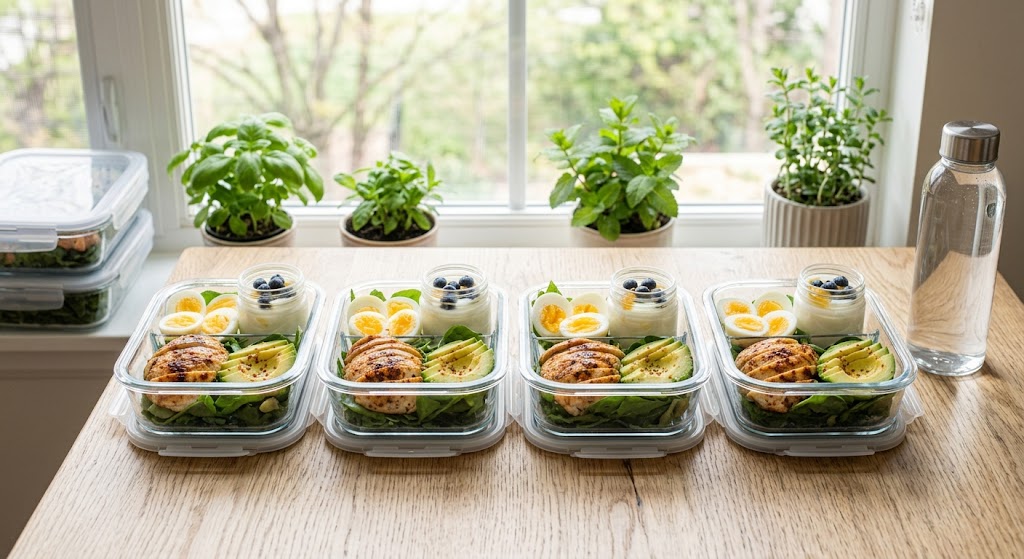
- 20 to 40 Grams Per Meal: This dose triggers an optimal MPS response. Doses under 20g may fall short, while doses over 40g yield minimal additional MPS benefit for that single sitting.
- 3 Meals Daily: Ideal for lower targets (under 100g total) or individuals practicing intermittent fasting.
- 4 Meals Daily: The optimal sweet spot for daily targets between 100g and 160g.
- 5 to 6 Meals Daily: Recommended for targets exceeding 160g, high-level athletes, or those managing severe appetite spikes.
Daily Schedule Example
- Breakfast: 25 to 30 grams (e.g., eggs with Greek yogurt).
- Pre-Workout: 20 to 40 grams consumed 1 to 3 hours prior to training.
- Post-Workout: 20 to 40 grams within 2 to 3 hours after exercise.
- Pre-Sleep: 30 to 40 grams of slow-digesting casein or cottage cheese before bed.
Best Protein Sources
Selecting nutrient-dense foods is critical when implementing the best protein intake for fat loss and muscle gain. Mix and match these quality sources:
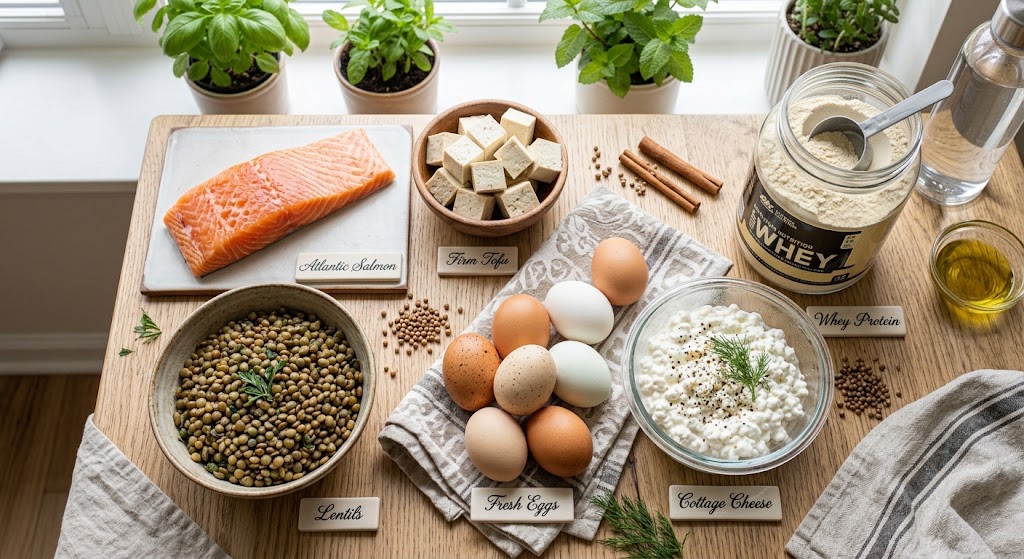
- Poultry & Lean Meats: Chicken breast, turkey, lean beef, bison, and pork tenderloin offer rich protein with minimal excess fat.
- Seafood: Salmon, tuna, tilapia, shrimp, and scallops are dense protein options. Shrimp is particularly rich in leucine, an essential amino acid for muscle building.
- Dairy Products: Greek yogurt offers double the protein of traditional yogurt. Cottage cheese provides sustained casein release, perfect for nighttime recovery.
- Plant-Based Options: Edamame, tofu, chickpeas, beans, and lentils deliver protein alongside dietary fiber.
- Supplements: Whey, pea, soy, or casein powders help you meet daily goals when whole food isn’t convenient.
Common Mistakes to Avoid
Even with the best protein intake for fat loss and muscle gain calculated, avoiding structural diet errors is essential:
- Saving All Protein for Dinner: Backloading protein into one large evening meal misses out on multiple daytime MPS stimulation windows.
- Over-Relying on Shakes: Powders lack the micronutrients, satiety, and fiber found in whole food protein sources.
- Ignoring Overall Calories: Eating high protein while ignoring total energy intake will halt fat loss efforts. Pair your intake with a verified calculated calorie deficit.
- Forgetting Hydration: High-protein processing increases nitrogen excretion, making daily water intake crucial.
- Neglecting Sleep: Failing to get adequate rest elevates cortisol, which sabotages muscle recovery regardless of protein intake. Refer to our guide on sleeping less than 6 hours a night to fix sleep patterns.
Frequently Asked Questions
1. Can protein intake change as your fitness goal changes?
Yes. Protein needs often increase during a fat loss phase to protect lean muscle mass from being broken down in a calorie deficit.
2. What should you do if you cannot reach your protein target from food?
High-quality protein powders (whey, casein, or plant-based) can comfortably bridge the gap when whole foods aren’t accessible.
3. Does the type of protein source matter?
Yes. Complete proteins containing all essential amino acids (animal products, soy, dairy) stimulate muscle repair more efficiently than incomplete plant sources.
4. Why can protein intake become difficult during weight loss?
Caloric restriction and appetite drops reduce total food volume, making it easy to accidentally fall short on daily protein intake.
5. What else matters besides protein for gaining muscle?
Getting the best protein intake for fat loss and muscle gain must be paired with progressive resistance training, adequate calories, proper hydration, and quality sleep.