
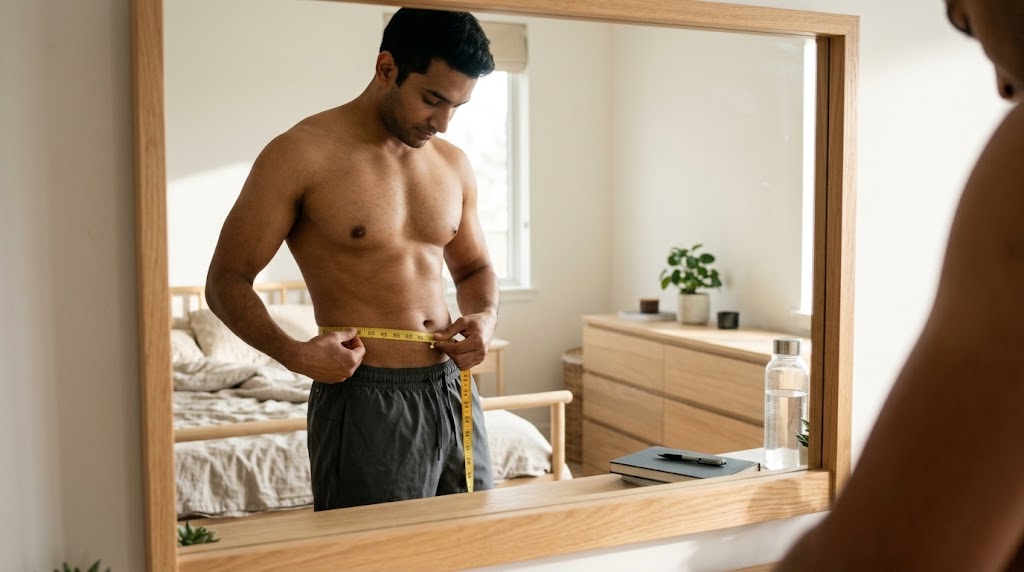
If you are wondering, can you target belly fat with crunch variations and targeted ab routines, the physiological reality of fat loss is often misunderstood. Isolating specific body regions through exercise does not force your body to burn fat from that exact area. In this complete guide, you will learn the science behind spot reduction, understand what drives visceral fat storage, and discover evidence-based strategies for lasting results. Read on.
Quick Answer
- Spot Reduction Is a Myth: Performing targeted abdominal workouts strengthens underlying muscle tissue but does not dictate where your body mobilizes stored fat.
- Calorie Deficits Are Essential: Sustained overall fat reduction requires consuming fewer calories than your total daily energy expenditure over time.
- Combine Resistance and Cardio: Resistance training preserves lean muscle mass, while aerobic movement elevates total daily calorie expenditure.
- Prioritize Sleep and Stress Management: Elevated cortisol and systemic sleep deprivation increase appetite signals and favor visceral abdominal fat storage.
- Avoid Common Pitfalls: Steer clear of detox teas, endless crunch sets, unmeasured health food portions, and confusing fluid loss with fat loss.
Why Spot Reduction Does Not Work
The myth that you can you target belly fat stems from the belief that working a specific muscle group directly burns overlying fat deposits. However, human exercise physiology operates through systemic energy mobilization rather than localized fat burning.
What Is Spot Reduction?
Spot reduction refers to the idea that targeted physical exercise can reduce fat stores in a chosen body part. Scientific research consistently demonstrates that localized resistance training does not selectively reduce regional adipose tissue. According to clinical resources published by Harvard Health, fat mobilization occurs systemically across the entire body rather than from isolated muscle groups under exertion.
How the Body Uses Stored Fat
The human body stores excess energy as triglycerides inside specialized adipose cells called adipocytes. During sustained physical activity, fasting, or a caloric deficit, your body breaks down these stored triglycerides through a process called lipolysis.
Lipolysis releases free fatty acids and glycerol into the bloodstream, where they travel to active tissues throughout the body for energy. Because these fatty acids circulate systemically, active muscles draw energy from the entire bloodstream rather than localized fat stores surrounding the working muscle.
What Causes Belly Fat?
Abdominal fat accumulation is driven by metabolic, lifestyle, and hormonal factors. Understanding how fat is distributed helps clarify why targeted spot reduction is ineffective.
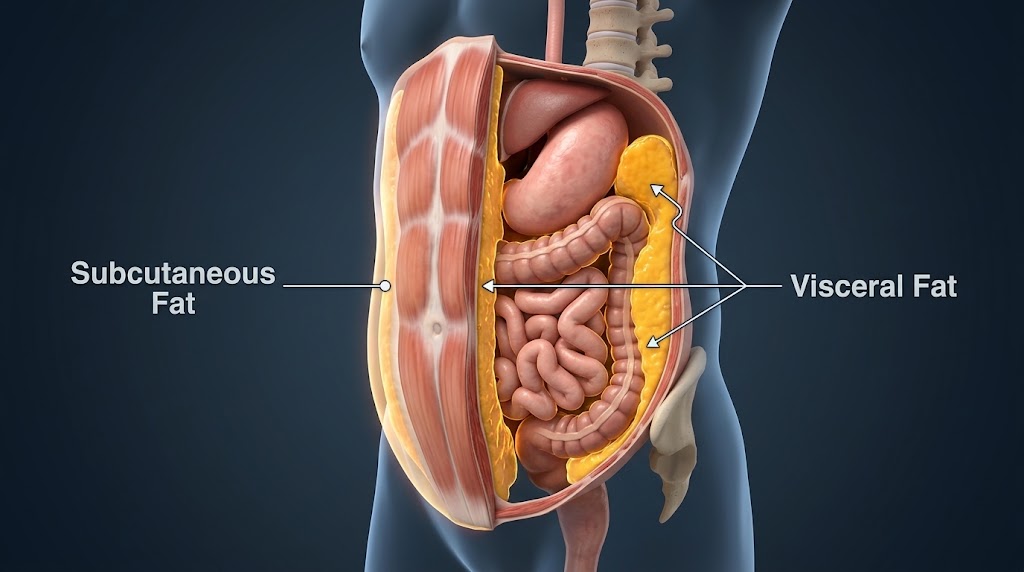
Subcutaneous vs. Visceral Fat
Abdominal adipose tissue is divided into two distinct layers:
- Subcutaneous Fat: The pliable fat layer sitting directly beneath your skin. While visible, it poses fewer metabolic risks than deeper adipose stores.
- Visceral Fat: Deep intra-abdominal fat surrounding vital internal organs like the liver, pancreas, and intestines. Clinical research hosted by the National Institutes of Health (NIH) shows that visceral fat releases inflammatory markers linked to insulin resistance, type 2 diabetes, and cardiovascular complications.
Key Drivers of Abdominal Fat Gain
- Caloric Surplus & Processed Diets: Consuming more calories than you expend drives fat storage, while ultra-processed foods accelerate overeating.
- Hormonal Imbalances: Elevated cortisol levels, fluctuating insulin, and declining estrogen or testosterone levels influence central body fat distribution.
- Sedentary Lifestyle: Low everyday movement (NEAT) reduces your total daily energy expenditure, making weight management more challenging.
- Sleep Deprivation & Stress: Chronic stress and sleeping less than 6 hours a night elevate cortisol, increasing appetite cues and abdominal fat accumulation.
- Liquid Calories & Alcohol: Alcoholic drinks and sugary beverages add high caloric density while disrupting deep sleep quality.
How to Lose Belly Fat Without Chasing Spot Reduction
Rather than asking if can you target belly fat through specific exercises, focus on these proven lifestyle strategies to reduce total body fat percentage:
- Establish a Sustainable Calorie Deficit: Learn how to calculate calorie deficit for fat loss accurately to ensure consistent, manageable body fat reduction without extreme hunger.
- Incorporate Resistance Training: Lifting weights preserves lean tissue and maintains resting metabolic rate, ensuring lost weight comes primarily from adipose tissue.
- Increase Daily Movement & Cardio: Pair structured aerobic exercise with high non-exercise physical activity (like daily walking) to expand your daily energy gap.
- Optimize Sleep & Stress Recovery: Aim for 7 to 9 hours of quality sleep nightly and practice active stress management to keep cortisol levels regulated.
- Prioritize Protein Intake: Base your meals around high-protein meal options to improve satiety, stabilize blood sugar, and support muscle repair.
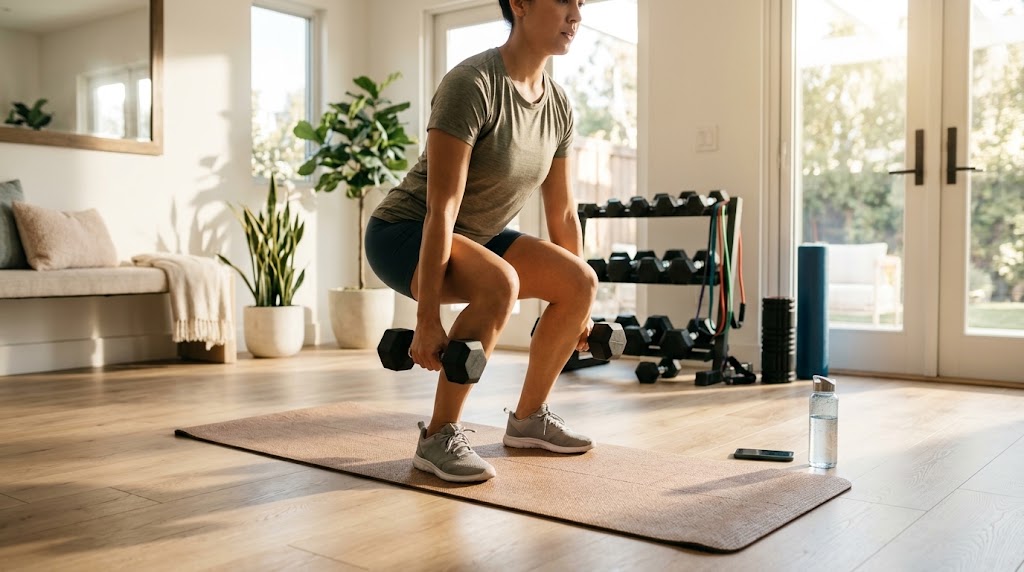
Can Ab Exercises Help You Get a Flatter Stomach?
While core exercises cannot spot-reduce midsection fat on their own, strengthening your abdominal muscles offers distinct structural benefits:
- Muscle Definition: Building strong abdominal muscles allows them to appear more defined once your overall body fat percentage drops low enough.
- Deep Core Support: Training deep muscles like the transverse abdominis acts like an internal corset, improving resting abdominal wall tone.
- Posture Correction: Strengthening weak core muscles helps correct anterior pelvic tilt, preventing your lower abdomen from protruding outward.
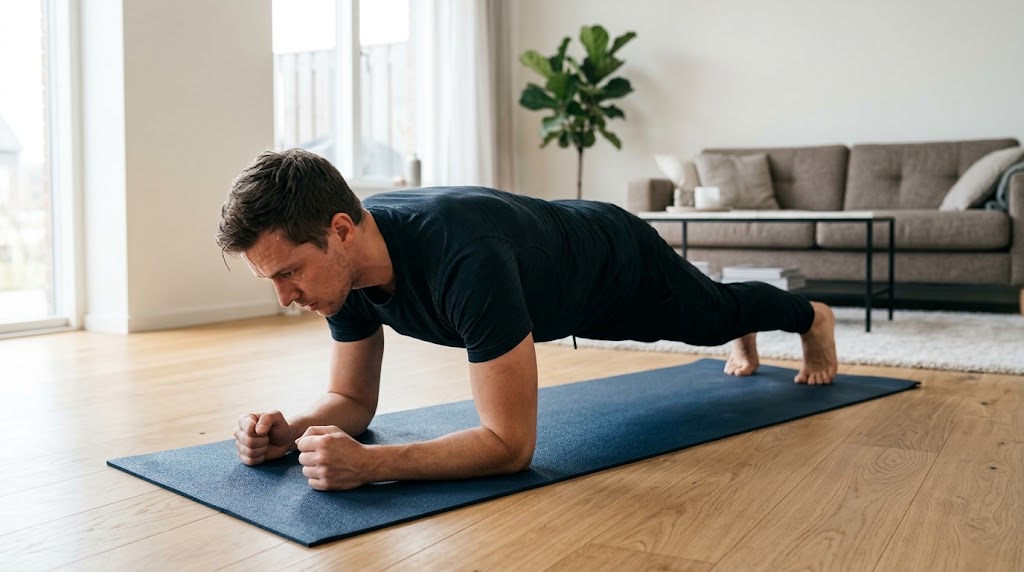
Common Mistakes When Trying to Lose Belly Fat
Avoid these frequent missteps when attempting to reduce abdominal fat:
- Relying Solely on Crunches: Abdominal exercises strengthen muscle tissue but burn relatively few total calories compared to compound movements.
- Overeating Calorie-Dense Health Foods: Nuts, avocados, seeds, and olive oil offer great nutritional value but remain calorically dense.
- Using Detox Teas & Unproven Supplements: Detox teas produce temporary water weight loss through laxative effects rather than true adipose fat reduction.
- Confusing Sweat with Fat Loss: Heavy sweating reflects fluid loss and body temperature regulation, not elevated fat oxidation.
- Ignoring Progressive Strength Training: Relying exclusively on intense cardio without weight training can lead to loss of lean tissue and a lower baseline metabolic rate.
Frequently Asked Questions
1. Can belly fat look different from day to day?
Yes. Short-term changes in abdominal appearance are often driven by fluid retention, digestive bloating, sodium intake, and glycogen storage rather than rapid fat gain or loss.
2. Does building abdominal muscle change how the stomach looks?
Yes. Developing your core muscles improves muscle tone and structural support. Once overall body fat percentage is reduced through a calorie deficit, these developed muscles become visually defined.
3. Can daily movement matter if you already exercise?
Yes. Non-exercise activity thermogenesis (NEAT)—including walking, standing, and household chores—accounts for a much larger portion of daily calorie burn than a 45-minute workout.
4. Why can healthy foods still affect weight loss?
Energy balance applies to all food sources. Consuming large quantities of healthy, energy-dense foods can exceed your daily target and stall overall progress.
5. Can sweating tell you how much fat you lost?
No. Sweating is your body’s cooling mechanism to regulate temperature. Fluid loss through sweat is quickly restored upon rehydration and does not correlate with true fat reduction.