
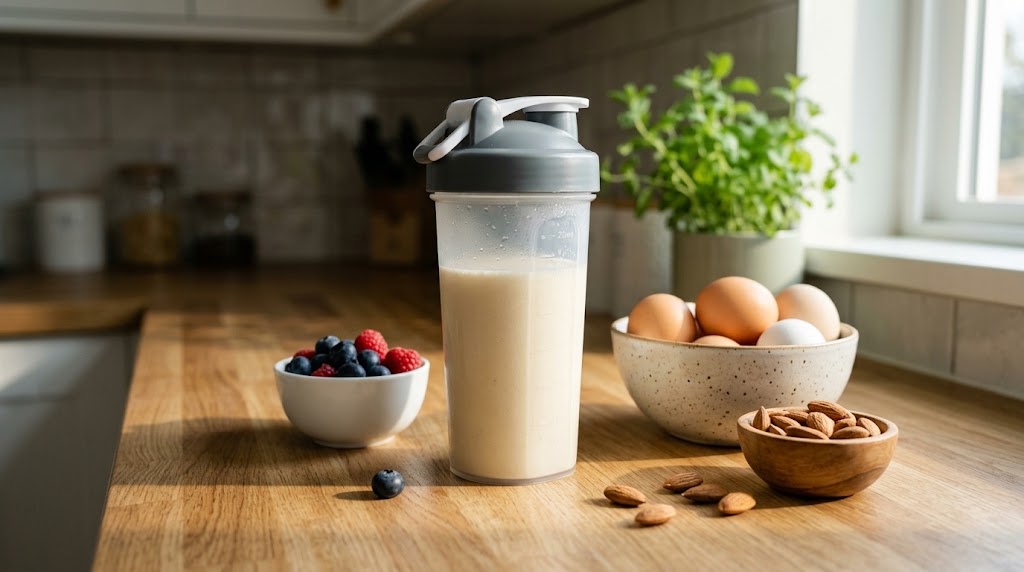
Are you considering adding protein shakes for weight loss to your daily routine but wondering if they are genuinely necessary? Meeting your daily macronutrient targets becomes significantly easier when utilizing liquid supplements strategically. In this guide, you will learn how to integrate protein powders effectively while keeping nutrient-dense whole foods as the primary foundation of your diet. Read on.
Quick Answer
- Shakes Are Optional: Liquid protein supplements are unnecessary if you consistently meet your daily amino acid targets through whole-food nutrition.
- Prioritize Convenience: Use shakes when whole-food preparation is impractical, such as during busy mornings or immediately post-workout.
- Select Quality Products: Choose powders providing at least 20 grams of protein, under 5 grams of added sugar, and simple, recognizable ingredients.
- Maintain Whole Food Dominance: Ensure at least two-thirds of your daily protein intake comes from whole foods like poultry, fish, eggs, and legumes.
- Mind the Extra Calories: Avoid high-calorie add-ins like excessive nut butters or heavy sweeteners that can erase your caloric deficit.
How Protein Supports Weight Loss
Incorporating adequate protein into your dietary plan accelerates body composition improvements through two primary physiological mechanisms:
1. Satiety and Hunger Regulation
Protein intake stimulates the release of key satiety hormones, including peptide YY (PYY), cholecystokinin (CCK), and glucagon-like peptide-1 (GLP-1). Elevating these hormones reduces appetite, curbs spontaneous snacking, and simplifies long-term compliance with a caloric deficit.
2. Lean Muscle Preservation
Caloric restriction carries the risk of losing both body fat and active muscle tissue. Consuming higher levels of dietary protein provides the amino acids necessary to protect lean tissue. Preserving muscle mass maintains a higher resting metabolic rate, ensuring your body continues burning energy efficiently.
Protein Shakes for Weight Loss: Do You Actually Need Them?
While convenient, liquid supplements are not a strict requirement for losing body fat. Understanding when to use protein shakes for weight loss ensures you get maximum benefit without wasting money.
When You Probably Do Not Need a Shake
If your daily meals regularly feature lean meats, fish, eggs, dairy, legumes, and whole grains, you likely achieve optimal protein intake without supplementation. Furthermore, individuals capable of sustaining a 500-calorie daily reduction solely through balanced whole-food meals do not need liquid replacements.
Additionally, if dairy-based formulas cause digestive distress or bloating due to lactose sensitivity, relying on whole foods or specialized plant alternatives is preferable.
Convenience Over Necessity
Using protein shakes for weight loss provides a quick, portable nutrition source when traveling or working. According to research published by the Academy of Nutrition and Dietetics, protein supplements should serve as an occasional convenience rather than the core of a human diet.
Protein Shakes vs. Whole-Food Protein Sources
Both supplement powders and whole foods contribute valuable amino acids, but they fulfill distinct roles within a weight-loss plan.
Benefits of Whole-Food Protein
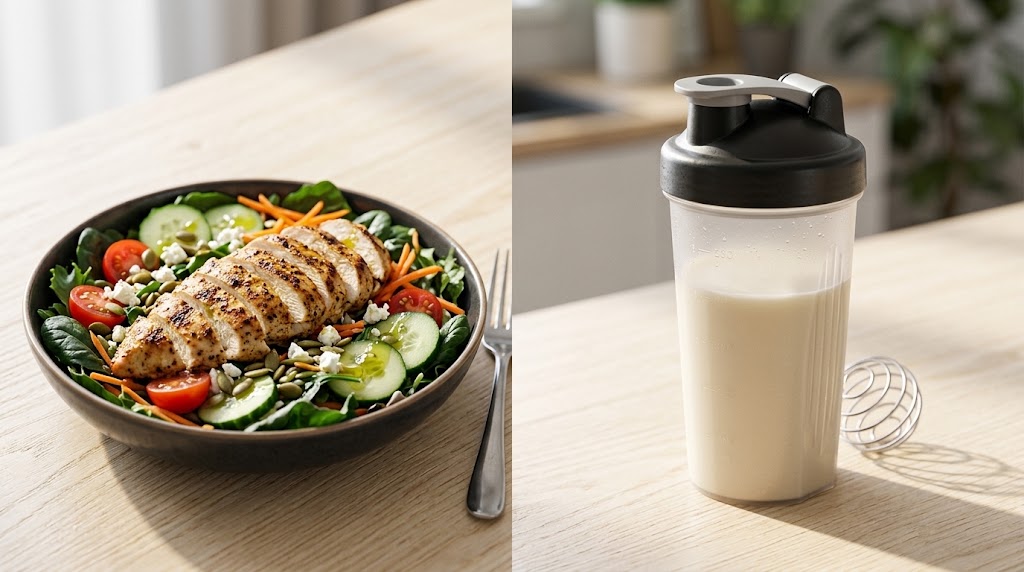
Whole foods such as chicken breast, salmon, eggs, lentils, and Greek yogurt deliver essential micronutrients, healthy fats, dietary fiber, and protective antioxidants. The physical chewing and complex digestion of whole foods prolong feelings of fullness, aiding hunger management.
Benefits of Protein Shakes
Protein powders offer rapid preparation, exact portion measurement, and rapid amino acid absorption following physical training. High-quality whey isolate or fortified plant powders supply dense protein with minimal accompanying carbohydrates or fats.
How to Choose a Protein Shake for Weight Loss
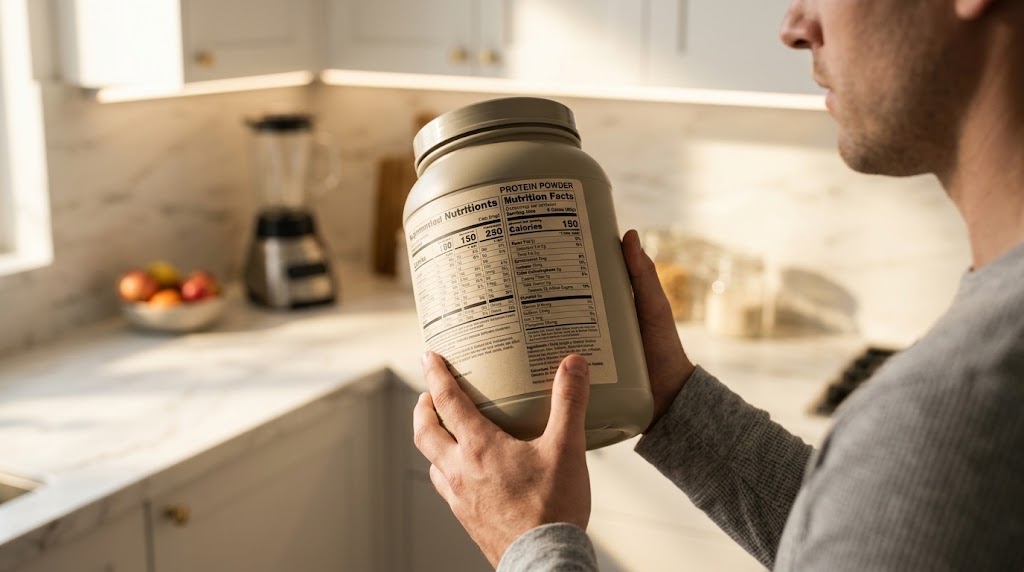
Selecting effective protein shakes for weight loss requires inspecting the nutrition panel rather than relying on promotional front-of-package claims.
Key Criteria to Look For
- High Protein Yield: Ensure each serving provides at least 20 to 30 grams of complete protein.
- Low Added Sugar: Select products containing fewer than 5 grams of added sugars per scoop to avoid blood glucose spikes.
- Transparent Ingredients: Look for short ingredient lists specifying clear protein sources like whey isolate, micellar casein, or pea protein isolate.
Red Flags to Avoid
- Excessive Sweeteners: High sugar content converts a helpful supplement into a high-calorie dessert, potentially driving cravings.
- Proprietary Fat-Burning Blends: Avoid products hiding behind “proprietary matrixes” containing unproven stimulants or excessive caffeine that cause anxiety.
- Artificial Thickeners: Heavy reliance on carrageenan or synthetic gums can trigger gastrointestinal discomfort, gas, and bloating in sensitive individuals.
Common Mistakes to Avoid With Protein Shakes
Avoid these frequent missteps when incorporating protein shakes for weight loss into your nutrition plan:
- Adding High-Calorie Ingredients: Blending powders with generous portions of peanut butter, full-fat milk, honey, and dried fruits can rapidly transform a light 150-calorie shake into a 600-calorie meal.
- Over-Replacing Whole Meals: Relying exclusively on liquid meals deprives your digestive tract of dietary fiber and essential micronutrients found in whole plants and animals.
- Ignoring Product Type: Accidentally purchasing a high-carbohydrate “mass gainer” instead of a pure protein powder will disrupt your weight-loss deficit.
- Improper Storage and Handling: Leaving mixed shakes in warm environments encourages bacterial growth. Always store powders in cool, dry areas.
- Neglecting Hydration: High protein intake increases systemic urea production. Ensure adequate water consumption to support renal function and smooth digestion.
How to Use Protein Shakes as Part of a Weight-Loss Diet
Strategic timing helps maximize the satiety and recovery benefits of protein shakes for weight loss:
- Morning Boost: Adding protein powder to oatmeal or blending a morning smoothie prevents mid-morning energy crashes and suppresses appetite until lunch.
- Post-Workout Recovery: Consuming a fast-digesting whey isolate shake after exercise delivers rapid amino acids to support muscle repair following a beginner strength workout.
- Pre-Bedtime Support: A slow-digesting casein shake consumed before sleep supplies a steady release of amino acids overnight, supporting muscle recovery and curbing late-night cravings.

Managing Daily Distribution
Keep supplemental powder to no more than one-third of your daily total protein target. Ensure the remaining two-thirds comes from whole foods. Combining smart protein distribution with structured lifestyle habits—such as avoiding sleeping less than 6 hours a night—ensures optimal metabolic health during your fat-loss phase.
Frequently Asked Questions
1. Can protein shakes make up most of your daily protein?
No. You should obtain at least two-thirds of your daily protein requirement from nutrient-dense whole foods, using protein powder only to supplement the remaining one-third.
2. Can you use a protein shake without exercising?
Yes. Protein shakes can serve as a convenient breakfast option or hunger-control snack regardless of whether you engage in daily physical exercise.
3. Does the type of protein in the shake matter?
Yes. Fast-absorbing proteins like whey isolate work best post-workout, while slow-digesting options like casein are ideal before bed or between long meal gaps.
4. Can a protein shake fit into a varied whole-food diet?
A high-quality protein shake can easily complement a balanced diet rich in vegetables, fruits, whole grains, healthy fats, and lean meats.
5. What should you do if a protein shake causes digestive discomfort?
Check the ingredient list for lactose, artificial sweeteners, or thickeners. Switch to a lactose-free whey isolate or a plant-based alternative like pea protein.