
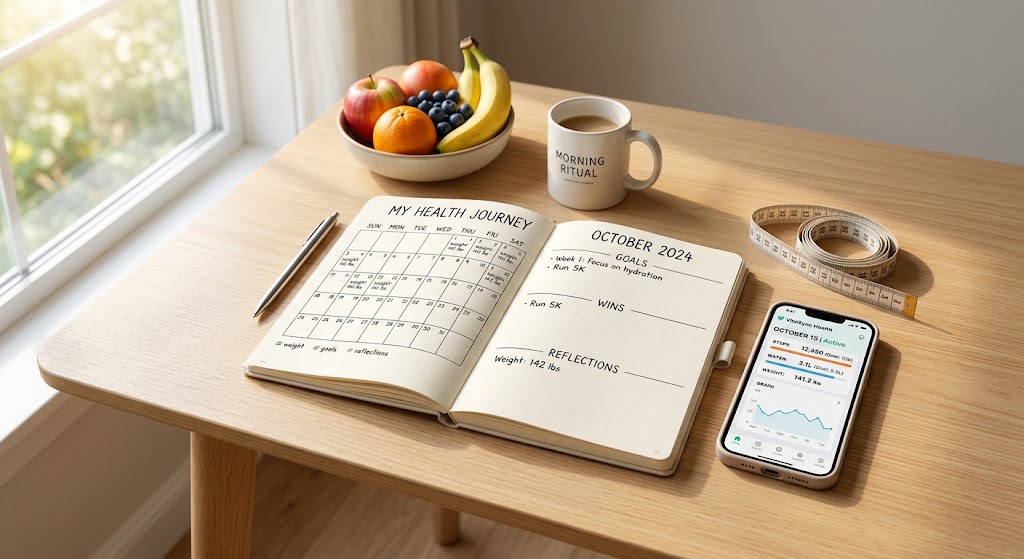
If you’re trying to lose weight, it’s natural to wonder how much progress you can make in 30 days. The answer depends on your starting weight, eating habits, activity level, health, and other individual factors. Rather than chasing the biggest possible drop on the scale, focus on a pace you can maintain without extreme restrictions.
In this guide, you’ll learn what a realistic monthly weight-loss goal can look like, why your weight fluctuates, and how to measure progress beyond the scale.
Quick Answer
- A general guideline: Many adults who need to lose weight are advised to aim for around 1 to 2 pounds (0.5 to 1 kg) per week. This is general guidance, not a target suitable for everyone.
- Over one month: Losing roughly 4 to 8 pounds (1.8 to 3.6 kg) may be possible for some people, but results vary and aren’t guaranteed.
- Focus on sustainable habits: Choose balanced meals, regular physical activity, and adequate sleep instead of extreme dieting.
- Track trends: Weekly weight averages and occasional waist measurements can provide a clearer picture than individual weigh-ins.
How Much Weight Can You Lose in a Month Realistically?
For many adults who would benefit from weight loss, a gradual rate of around 1 to 2 pounds per week is commonly recommended by health authorities such as the CDC.
Over four weeks, that works out to approximately 4 to 8 pounds. However, this is a rough illustration, not a promise or a requirement. Someone with a lower starting weight may lose more slowly, while another person may see a larger initial drop because of changes in water weight.
Your health, medications, usual activity, eating patterns, and starting weight can all influence your results. If you’re already at a healthy weight, losing more may not be necessary or appropriate.
What Is a Realistic Monthly Weight-Loss Goal?
Choose a goal that promotes your well-being without disrupting your everyday routine. You don’t need to lose the maximum possible amount each month to make meaningful progress.
Instead of choosing a number based only on a deadline, consider your starting point and what you can realistically maintain. A balanced eating pattern, regular movement, sufficient sleep, and gradual changes are generally more sustainable than crash diets.
The National Institute of Diabetes and Digestive and Kidney Diseases offers a Body Weight Planner that estimates how changes in food intake and physical activity may affect weight over time. It provides estimates rather than guarantees and is intended for adults.
Can You Lose More Than 4 to 8 Pounds in a Month?
Some people may exceed this amount of weight loss, especially during the first few weeks of their journey. However, a rapid change on the scale doesn’t necessarily mean that the same amount of body fat has been lost.
Body weight includes fat, muscle, water, glycogen (stored carbohydrate), and the contents of your digestive system. Changes in carbohydrate intake, sodium, hydration, and eating patterns can cause noticeable fluctuations.
Rapid weight loss caused by severe restriction can also increase the risk of losing muscle and experiencing nutritional deficiencies or other health problems. Faster loss isn’t automatically better, and very restrictive plans should not be undertaken without appropriate medical guidance.
What Determines How Much Weight You Can Lose in a Month?
Several factors affect the rate of weight loss.
Starting Weight and Body Composition
People with a higher starting weight may experience different weight-loss patterns from those who have less weight to lose. The amount of muscle and fat in the body can also influence energy needs.
Food Intake and Energy Needs
Weight change is influenced by the relationship between energy consumed and energy used. However, your body’s response isn’t perfectly predictable, and a calorie target that works for one person may be inappropriate for another.
If you want to understand the basics, see our guide to calculating a calorie deficit for fat loss.
Activity and Everyday Movement
Walking, cycling, household tasks, and other forms of movement contribute to daily energy use. Resistance training can also help maintain muscle during weight loss.
You don’t need an intense workout routine to get started. Choose activities that suit your fitness level and that you can continue doing consistently.
Sleep, Stress, and Health
Sleep, stress, certain medications, and medical conditions can influence appetite, activity, and weight management. If your progress differs from what you expected, it doesn’t automatically mean you’re doing something wrong.

How to Lose Weight at a Realistic and Sustainable Rate
The aim is to develop habits you can maintain, rather than follow a strict plan for 30 days and abandon it afterward.
Eat Balanced, Satisfying Meals
Include sources of protein, fiber-rich foods, and other nutrients in your meals. Depending on your preferences and budget, options may include eggs, beans, lentils, yogurt, chicken, vegetables, fruit, and whole grains.
Protein and fiber can help meals feel more satisfying, although individual needs vary. You don’t need expensive diet foods or supplements to build a balanced eating pattern.
Make Gradual Changes to Food Intake
If weight loss is appropriate for you, a moderate reduction in energy intake may help. Avoid cutting food intake drastically or following a plan that leaves you persistently weak, dizzy, or exhausted.
There isn’t one calorie target that works for every adult. Your needs depend on factors such as body size, activity, age, and health.
Combine Movement With Strength Training
Regular movement, whether through swimming, cycling, walking, or similar activities, can help maintain good health and manage body weight. Strength training can help preserve muscle, especially when combined with an appropriate eating plan.
Begin with an activity level you can comfortably handle, then build up your effort over time. Following a regular exercise routine is more important than pushing yourself through overly intense workouts.
Make Sleep Part of Your Routine
Insufficient sleep can make appetite regulation and healthy routines harder to manage. Try to maintain regular sleeping hours while getting the amount of rest your body needs. You can also read our guide to the effects of sleeping less than six hours a night.
How to Track Your Weight-Loss Progress
A single weigh-in cannot tell you exactly how much body fat you’ve lost. Looking at several indicators over time gives you a more useful picture.
Look at Trends Instead of Individual Weigh-Ins
Body weight can fluctuate because of hydration, sodium intake, digestion, hormonal changes, and other factors.
If weighing yourself is comfortable and appropriate for you, use similar conditions each time, such as weighing in the morning after using the bathroom. Compare trends across several weeks rather than reacting to every daily change.
You don’t have to weigh yourself daily. Weekly measurements or another consistent schedule may work better for some people.
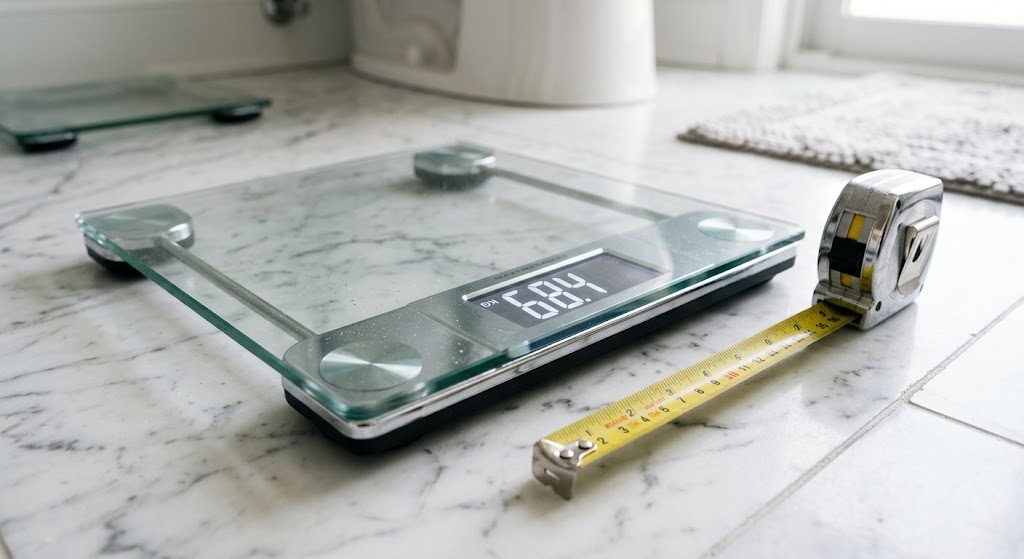
Track Progress Beyond the Scale
Consider monitoring a few measures that are useful to you:
- Weight trend: Compare measurements taken under similar conditions.
- Waist measurement: If helpful, measure periodically using the same method.
- Clothing fit: Notice whether your usual clothes fit differently over time.
- Fitness and energy: Record changes in walking endurance, strength, or everyday energy.
- Consistency: Note whether your eating, movement, and sleep routines are becoming easier to maintain.
Progress photos are optional. You don’t need to track every possible measurement to make progress.
What If Your Weight Stops Changing?
Short periods without a change on the scale are common and don’t necessarily mean that your efforts have stopped working. Water fluctuations can temporarily obscure changes in body fat.
If your weight trend remains unchanged for several weeks, review your routines and consider whether your original plan still fits your needs. Avoid responding to a short plateau by drastically reducing food intake.
Our guide to not losing weight despite a calorie deficit explores some possible explanations.
Common Mistakes That Can Make Weight Loss Harder
A few common approaches can make a weight-loss plan unnecessarily difficult.
Giving up after a short plateau: Review longer-term patterns before deciding that your approach isn’t working.
Expecting the same results as someone else: Starting weight, health, and daily routines differ from person to person.
Cutting food intake too drastically: Extreme restriction can be difficult to sustain and may increase health risks.
Assuming every scale change is fat loss: Water and digestive contents also affect body weight.
Ignoring drinks and portion sizes: Drinks, oils, sauces, and snacks can contribute energy that is easy to overlook. This doesn’t mean you need to track every bite forever.
Relying on exercise alone: Activity is beneficial, but food intake, sleep, health, and other factors also affect weight.
Treating rest as unimportant: Adequate sleep and recovery support general health and help make routines more manageable.

Frequently Asked Questions
How much weight can you lose in a month realistically?
Some adults who need to lose weight may lose around 4 to 8 pounds over four weeks, based on the commonly recommended gradual rate of 1 to 2 pounds per week. Individual results vary, and this range isn’t suitable for everyone.
Is losing 10 pounds in a month realistic?
It can happen, particularly for some people with a higher starting weight, but it isn’t an appropriate target for everyone. Some early weight loss may reflect changes in water and glycogen rather than body fat alone. Avoid extreme methods to reach a particular number.
Is losing 5 pounds in a month a realistic goal?
For some adults, losing 5 pounds in a month may be realistic. Whether it’s a suitable goal depends on your starting weight, health, and individual circumstances. Slower progress can also be meaningful.
How much weight can you lose in a month by walking?
There is no single amount that walking will make everyone lose in a month. Results depend on factors such as walking duration, pace, food intake, starting weight, and other activity. Walking can support weight management even when the scale changes slowly.
Can you lose belly fat in one month?
You cannot reliably choose where your body loses fat. Changes in overall body fat may eventually reduce waist size, but the timing and amount vary. Sustainable eating habits and regular activity are more useful than promises of targeted belly-fat loss.
Final Thoughts
A realistic monthly weight-loss goal depends on the individual, not just the number of days on the calendar. For many adults who need to lose weight, gradual progress and sustainable habits are more useful than trying to achieve the fastest possible result.
Focus on what you can maintain, monitor trends over time, and seek advice from a qualified healthcare professional if you have medical concerns or are unsure whether weight loss is appropriate for you.
Health note: This article provides general educational information, not individualized medical advice. People who are pregnant, under 18, have a history of eating disorders, or have medical conditions affecting weight should seek appropriate professional guidance before pursuing weight loss.