
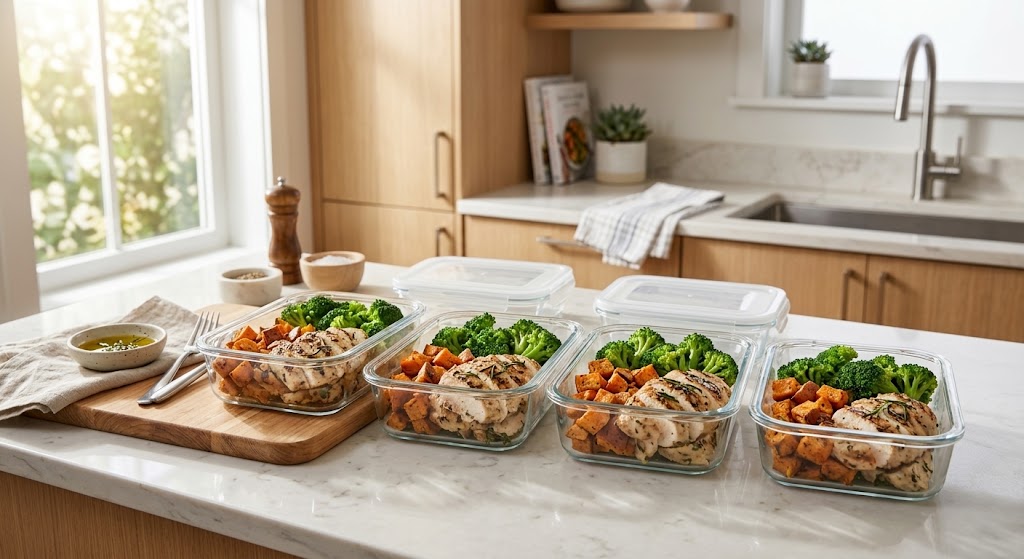
To master meal prep for weight loss as a beginner, keeping your strategy simple and structured is key. Starting a diet routine can feel overwhelming when you are unsure what to cook, how much to prepare, or how to store portions safely. In this comprehensive step-by-step guide, you will discover how to plan balanced meals, control portions accurately, avoid common beginner mistakes, and build a lasting habit. Read on.
Quick Answer
- Start Small: Prepare just one main meal a day initially, then expand your routine as you gain confidence.
- Build Balanced Plates: Combine lean proteins, fresh vegetables, whole grains, and healthy fats.
- Control Portions: Use visual hand guides or a digital kitchen scale to monitor serving sizes accurately.
- Prep in Batches: Prepare 3 to 4 days of food at a time to keep ingredients fresh and avoid food fatigue.
- Follow Food Safety Rules: Store meals in airtight glass containers, keep your fridge below 40°F (4°C), and reheat leftovers thoroughly.
Meal Prep for Weight Loss as a Beginner: Start With a Simple Plan
Starting meal prep for weight loss as a beginner is much easier when you break the process into manageable steps rather than cooking an entire week of food at once.
1. Choose One Focus Meal
Begin by prepping the single meal that causes you the most stress during the busy workweek—whether that is morning breakfast, office lunch, or late dinner. Prepping one eating window builds consistency without feeling overwhelmed.
2. Plan Before Grocery Shopping
Design your shopping list strictly around your planned recipes. Include quality proteins, fresh vegetables, whole grains, and smart snacks. Check your pantry beforehand to prevent buying duplicate items, and organize your list by store aisles to save time.
3. Select Familiar Foods
Stick to simple recipes featuring ingredients you already enjoy. Avoid complicated culinary techniques or overly exotic foods. Using versatile foundation ingredients—like roasted sweet potatoes or quinoa—allows you to create different meal combinations throughout the week effortlessly.
What Foods Should You Include?
When organizing meal prep for weight loss as a beginner, select nutrient-dense whole foods that promote full-body satiety and maintain stable energy levels.
Prioritize Protein-Rich Foods
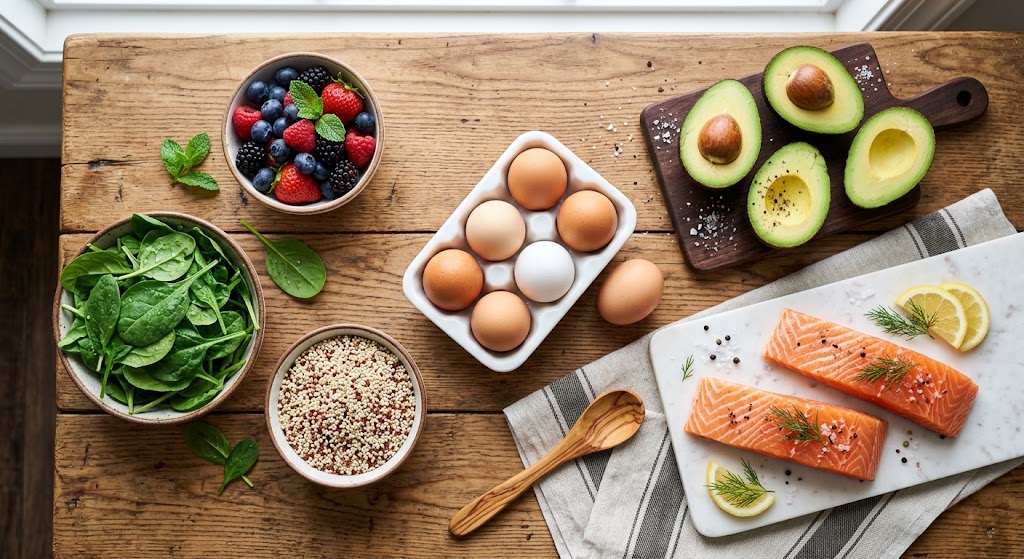
Protein supports muscle preservation and keeps hunger under control. Excellent sources include lean chicken breast, turkey, eggs, wild-caught fish, tofu, edamame, lentils, black beans, low-fat Greek yogurt, and cottage cheese.
Add High-Fiber Vegetables and Fruits
Incorporate non-starchy vegetables such as broccoli, spinach, bell peppers, zucchini, cabbage, cauliflower, and green beans. Fresh low-sugar fruits like blueberries, strawberries, and green apples offer essential antioxidants and curb sweet cravings naturally.
Choose Filling Carbohydrates and Healthy Fats
Opt for complex, fiber-rich carbohydrates like oats, quinoa, brown rice, sweet potatoes, and whole-grain wraps. Pair them with measured portions of healthy fats—such as avocado, extra virgin olive oil, raw nuts, seeds, and hummus. Flavor your dishes naturally using herbs, garlic, lemon juice, salsa, and light vinegar dressings.
According to dietary guidelines from the Harvard T.H. Chan School of Public Health, filling half your plate with colorful vegetables and fruits ensures optimal volume with lower caloric density.
How to Portion Your Meals for Weight Loss
When implementing meal prep for weight loss as a beginner, serving size matters as much as your ingredient choices. Uncalculated extras can quickly stall your weight loss progress.
Use these simple standard serving estimates when assembling your lunch boxes:
- Lean Protein: 3 to 4 ounces (roughly the size of a deck of cards or your palm).
- Vegetables: 1 cup raw leafy greens, 1/2 cup cooked vegetables, or 1 to 2 cups of mixed greens.
- Whole Grains: 1/2 to 1 cup of cooked rice, quinoa, or oats.
- Fresh Fruit: 1 medium whole fruit or 1/2 cup of sliced berries.
- Healthy Fats: 1 tablespoon of oils/nut butters, or 1/4 cup of avocado.
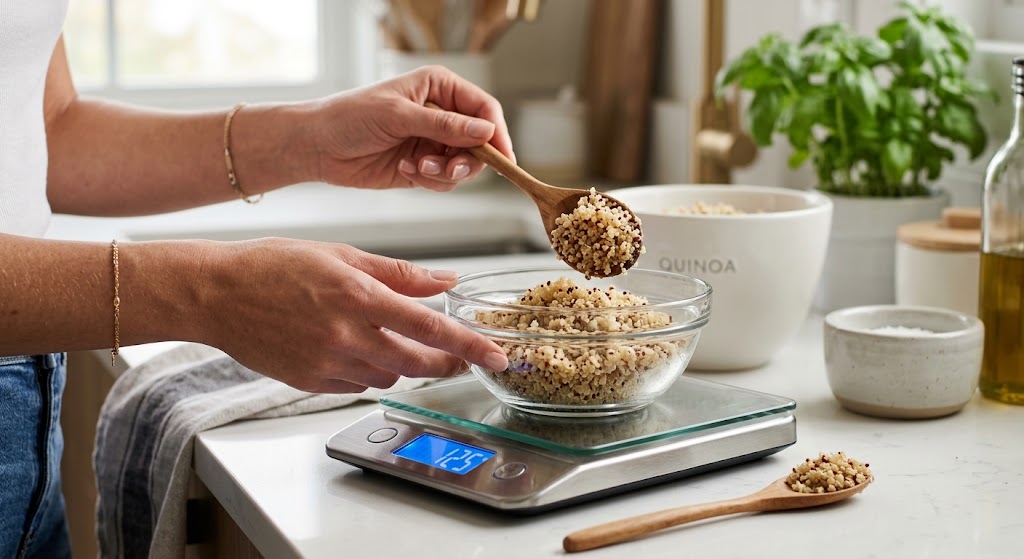
To keep daily portions precise without guesswork, consider using digital food scales or measuring cups. Adopting smart eating habits—like using smaller dinner plates, chewing slowly, and tracking liquid condiments—will further protect your progress. For details on calculating exact caloric needs, review our guide on calculating calorie deficits for fat loss.
Guidelines provided by the Academy of Nutrition and Dietetics emphasize that consistent portion control is the cornerstone of safe, sustainable body weight management.
How to Prepare and Store Your Meals Safely
Understanding safe food handling techniques protects ingredient freshness and prevents foodborne illness when executing meal prep for weight loss as a beginner.
Batch Cooking and Hygiene
Cook batch items efficiently and divide large warm dishes into smaller, shallow containers so they cool down rapidly. Refrigerate prepared perishable foods within two hours of cooking (or within one hour if room temperature exceeds 90°F). Always wash hands and use separate cutting boards for raw meats and fresh produce to avoid cross-contamination.
Refrigeration, Freezing, and Reheating
Store your meals in airtight, BPA-free glass containers clearly labeled with preparation dates. Official guidelines from the USDA Food Safety and Inspection Service recommend maintaining refrigerator temperatures at 40°F (4°C) or below, and freezer temperatures at 0°F (-18°C).
- Refrigerated Lean Meats & Grains: Keep safely for 3 to 4 days.
- Soups & Casseroles: Keep safely for 4 to 5 days.
- Frozen Meals: Retain quality for 2 to 3 months.
When reheating stored meals, ensure internal temperatures reach at least 165°F (74°C) using a food thermometer. Stir food midway through microwaving for even heat distribution.
Easy Meal Prep Ideas for Beginners
Healthy batch cooking can be simple, delicious, and budget-friendly. Try these easy recipes that pair wonderfully with cheap high-protein meal prep ideas:
- Quinoa and Black Bean Bowls: Toss cooked quinoa, black beans, sweet corn, diced red bell peppers, cilantro, sea salt, and lime juice together. Top with freshly sliced avocado before eating.
- Garden Quinoa Salad: Combine fluffy quinoa, cherry tomatoes, cucumbers, red onion, and fresh parsley. Drizzle with extra virgin olive oil and lemon dressing. Keeps crisp for up to 4 days.
- Roasted Sheet-Pan Vegetables: Roast sliced bell peppers, zucchini, carrots, and tomatoes with garlic powder and olive oil at 400°F (200°C) for 22 minutes. Serve alongside brown rice or lean chicken.
- Hearty Vegetable Stir-Fry: Sauté seasonal garden vegetables with minced garlic and low-sodium soy sauce. Serve over brown rice or cauliflower rice.
- Tofu and Brown Rice Plate: Press and cube firm tofu, marinate in low-sodium soy sauce, and pan-sear until golden brown. Serve over fluffy rice alongside steamed broccoli.
Common Meal-Prep Mistakes That Can Slow Weight Loss
Avoiding typical beginner missteps makes meal prep for weight loss as a beginner far more effective over time:
- Ignoring Hidden Macro Portions: Eyeballing cooking oils, heavy dressings, and nut butter spreads can silently add hundreds of unrecorded extra calories.
- Prepping Too Many Days at Once: Cooking a full 7 days of fresh food often leads to meal spoilage or food fatigue. Stick to 3 to 4 days max.
- Choosing Foods That Go Soggy: Keep delicate salad greens, crunchy toppings, and liquid dressings in separate containers until serving time.
- Lacking Flavor Variety: Eating bland, unseasoned food leads to diet burnout. Experiment with dry spice rubs, hot sauces, fresh herbs, and zesty citrus juices.
- Neglecting Recovery & Rest: High stress levels and sleeping less than 6 hours a night elevate cortisol, driving intense cravings and hiding physical progress.
Frequently Asked Questions
Is meal prepping effective for beginner weight loss?
Yes. Prepping meals in advance ensures you have balanced, portion-controlled options ready, eliminating impulsive fast-food choices when you are tired or busy.
How many days of food should a beginner meal prep?
As a beginner, prepare 3 to 4 days of food at a time. This guarantees maximum ingredient freshness, reduces waste, and prevents flavor boredom.
Can I eat the same prepped meal every day?
While eating the same meal is convenient, varying your ingredients provides a wider spectrum of essential micronutrients. Try prepping basic single ingredients (like plain chicken, rice, and veggies) so you can mix and match sauces daily.
How long does prepped food safely last in the fridge?
Most cooked lean meats, seafood, whole grains, and cooked vegetables keep safely in airtight containers for 3 to 4 days when stored at 40°F (4°C) or lower.
What are the best containers for meal prep?
Airtight glass containers with locking lids are ideal. They are durable, microwave-safe, dishwasher-safe, stain-resistant, and free from harmful BPA chemicals.