
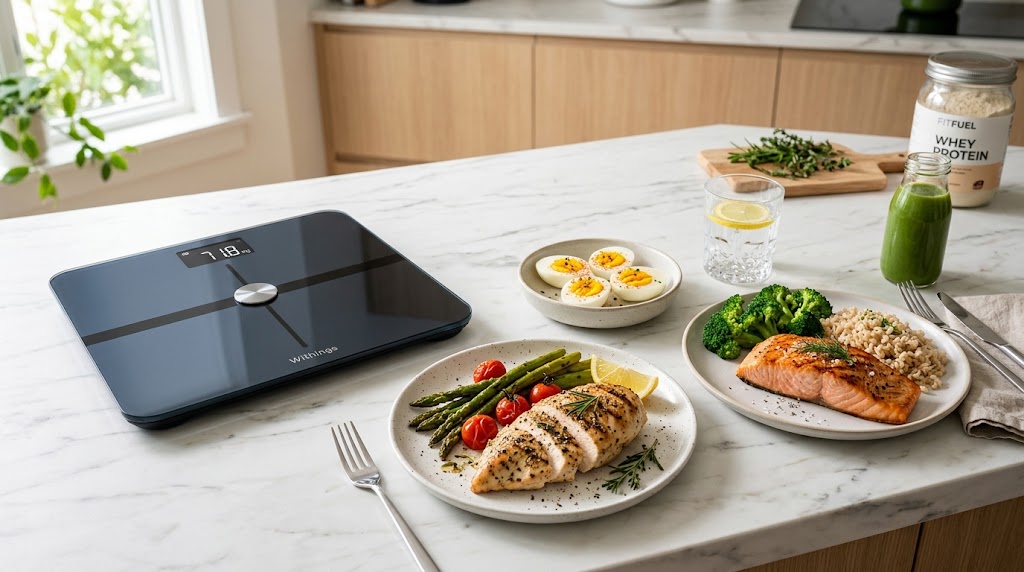
Not sure how much protein you need to build muscle, drop fat, or maintain overall health? Choosing the right method to measure your daily requirement can make all the difference in reaching your fitness targets. In this guide, we evaluate protein per kilogram of body weight vs lean body mass to help you match your daily protein intake accurately to your unique body composition and training goals. Read on.
Quick Answer
- Baseline Health Targets: Aim for 0.8 grams of protein per kilogram of total body weight for general health, or increase to 1.6–2.0 grams per kilogram to optimize muscle growth.
- Total Weight vs. LBM: Total body weight works great for average body compositions, while lean body mass (LBM) provides a far more accurate target for individuals with higher body fat levels.
- Calculating Lean Mass: Subtract your total fat mass from your overall body weight using measurements from DEXA scans, body fat calipers, or bioelectrical impedance scales.
- Align with Goals: Adjust your protein intake based on whether you are maintaining weight, building muscle, or undergoing an aggressive fat loss phase.
What Is Protein Per Kilogram of Body Weight?
Calculating protein per kilogram of body weight is the simplest method for estimating daily protein requirements. It uses your total scale weight to set a foundational target without needing body fat measurements.
To calculate this manually, convert your weight from pounds to kilograms by dividing by 2.2. Then, multiply your weight in kilograms by your selected protein multiplier, such as the minimum Recommended Dietary Allowance (RDA) of 0.8 grams per kilogram for baseline health.
For example, an individual weighing 82 kilograms (around 180 pounds) needs a minimum of 65 grams of protein daily to avoid deficiency. While this method is straightforward, individuals with higher body fat percentages may find this calculation overestimates their actual muscle-building needs, making lean body mass a better alternative.
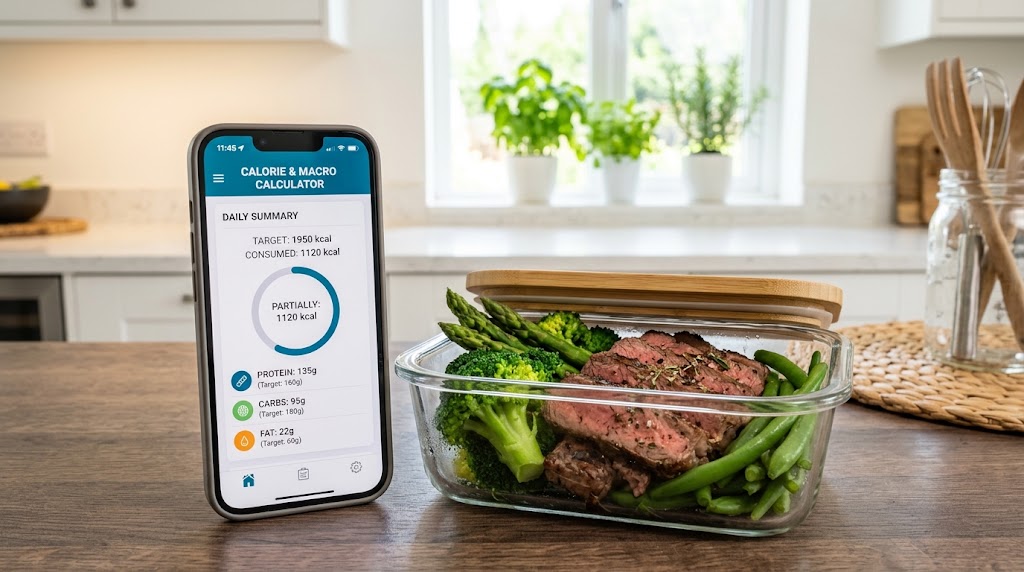
What Is Protein Per Kilogram of Lean Body Mass?
Understanding protein per kilogram of body weight vs lean body mass requires looking at how your total weight is divided between fat tissue and non-fat tissue. Lean Body Mass (LBM) includes your skeletal muscles, bones, internal organs, skin, blood, tendons, and body water.
Setting your protein goals based on LBM targets active muscle tissue directly rather than inert fat mass, ensuring a more tailored intake for recovery and muscle retention.
How to Calculate Protein Needs Using Lean Body Mass
To calculate your target using LBM, multiply your total weight by your estimated body fat percentage in decimal form to determine fat mass, then subtract that figure from your total weight. Once you have your LBM in kilograms, apply one of the following evidence-backed multipliers:
- Sedentary Maintenance: 1.5–2.0 g/kg LBM
- Active Maintenance: 2.0–2.2 g/kg LBM
- Muscle Building: 2.2–2.6 g/kg LBM
- Fat Loss (Caloric Deficit): 2.4–2.9 g/kg LBM
- Aggressive Fat Loss: 2.6–3.1 g/kg LBM
How to Estimate Your Lean Body Mass
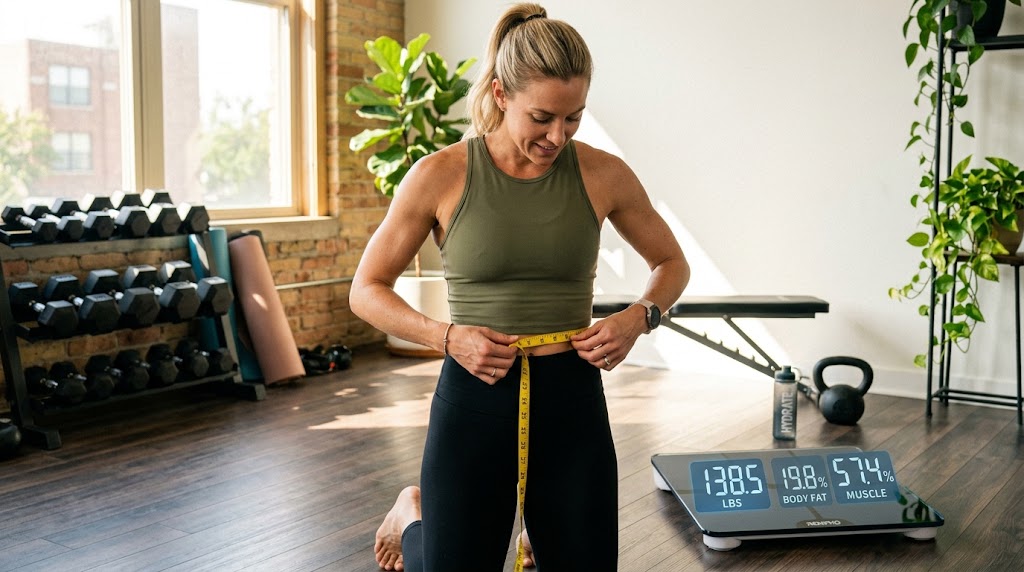
Accurately determining your LBM requires an estimate of your current body fat percentage. While no home method is 100% exact, several methods provide reliable baselines:
- DEXA Scans: The clinical gold standard for measuring bone density, lean tissue, and regional fat distribution.
- U.S. Navy Tape Measure Method: Uses neck, waist, and hip circumference measurements along with height to estimate body fat percentage.
- Bioelectrical Impedance Scales: Convenient for tracking long-term body composition trends, though daily readings can fluctuate based on hydration levels.
Key Differences: Total Body Weight vs Lean Body Mass
The core difference between calculating protein using total body weight versus lean body mass comes down to body composition. Fat tissue is metabolically inactive regarding amino acid uptake and does not require protein support in the same way muscle tissue does.
Consider two people who both weigh 100 kilograms (220 pounds). Person A has 15% body fat (85 kg LBM), while Person B has 35% body fat (65 kg LBM). If both use a standard multiplier of 2.0 grams per kilogram of total body weight, both would consume 200 grams of protein daily—even though Person A carries 20 kilograms more muscle tissue than Person B.
Basing your target on lean body mass prevents individuals carrying excess body fat from consuming unnecessarily high protein quantities while ensuring lean individuals consume enough protein to support optimal recovery.
For individuals managing body composition, combining proper protein targets with an accurate caloric deficit calculation for fat loss ensures consistent overall progress.
How Much Protein Do You Need Per Kilogram?
Your daily requirement ultimately hinges on your activity level and fitness objectives. While the basic target of 0.8 grams per kilogram prevents deficiency in sedentary individuals, active weightlifters require significantly more.
Research confirms that muscle protein synthesis peaks around 1.6 to 2.0 grams per kilogram of total body weight daily for most lifters. Pushing beyond 2.2 grams per kilogram of total body weight generally offers diminishing returns for muscle hypertrophy, though higher intakes can help preserve lean tissue during intense cutting phases.
Common Mistakes When Calculating Protein Needs
Avoid these common pitfalls when setting your daily protein target:
- Relying on Outdated RDA Guidelines: The standard 0.8 g/kg target is designed purely to prevent deficiency in sedentary populations, not to support exercise recovery or muscle growth.
- Misusing Total Body Weight: If your body fat percentage is 30% or higher, setting protein targets off total weight can yield an unnaturally high daily goal. Use LBM or your target goal weight instead.
- Overlooking Protein Quality: Focus on complete protein sources with high bioavailability. Check our guide on cheap high protein meal prep ideas to hit your daily targets affordably using whole food sources.
- Failing to Adjust Over Time: As you lose body fat or gain lean muscle mass, your daily nutritional demands shift. Recalculate your requirements every 4 to 6 weeks.
- Consuming All Protein in One Meal: Spreading your daily protein across 3 to 5 distinct meals optimizes muscle protein synthesis throughout the day.
- Neglecting Supporting Workouts: High protein intake alone will not build muscle without a progressive training program. Pair your nutrition with a structured full body workout routine to drive physical adaptation.
- Ignoring Sleep and Recovery: Muscle repair occurs during deep rest. Avoid the impacts of sleeping less than 6 hours a night, which elevates cortisol and hinders muscle recovery.
Frequently Asked Questions
1. Is it better to calculate protein by body weight or lean body mass?
For most people with average body fat levels, total body weight is simple and effective. If you carry a higher body fat percentage, calculating by lean body mass provides a more accurate and realistic daily target.
2. Should I use current weight or goal weight to calculate protein?
If you are at a healthy body fat level, use your current body weight. If you have significant fat to lose, using your ideal goal weight prevents overestimating your daily protein requirements.
3. How much protein should I eat per kilogram of lean body mass?
For general maintenance, aim for 1.5–2.2 grams of protein per kilogram of LBM daily. For muscle growth or calorie-restricted fat loss, target 2.2–3.1 grams per kilogram of LBM.
4. Can I build muscle without calculating lean body mass?
Yes. Aim for 1.6–2.0 grams of protein per kilogram of total body weight daily, maintain a structured strength training routine, and consume sufficient total calories.
5. Does body fat percentage affect how much protein I need?
Yes. Higher body fat means a smaller percentage of your weight consists of active muscle tissue. Adjusting your calculations using lean body mass ensures your protein targets reflect your actual functional tissue needs.