
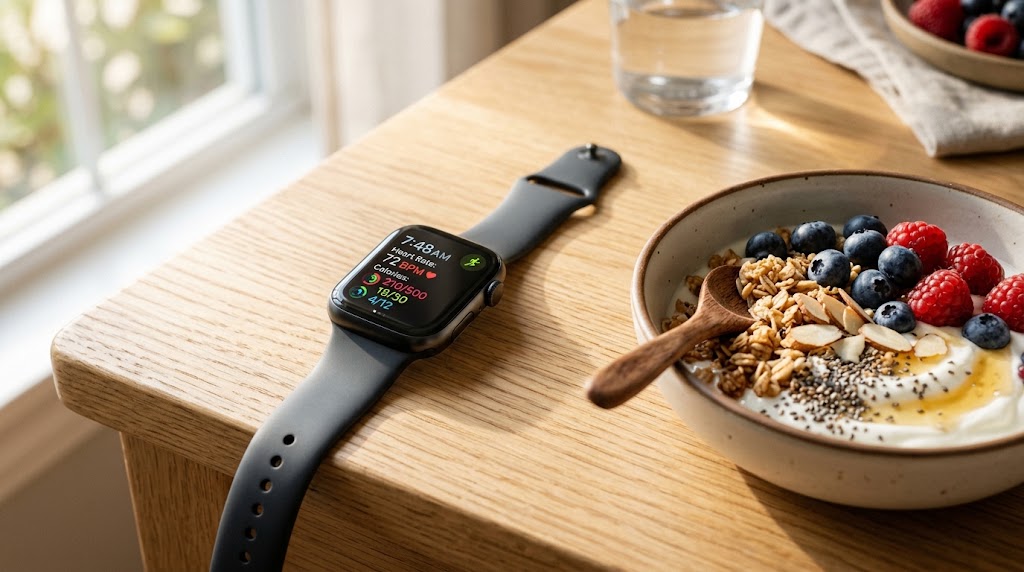
Many people struggle with fat loss progress because fitness wearables often overstate energy expenditure. If you are asking yourself, should I eat back exercise calories from my fitness tracker, the answer depends on your primary fitness goals, device precision, and hunger levels. This guide breaks down how calorie tracking algorithms work, when adding food back makes sense, and how to protect your target deficit. Read on.
Quick Answer
- Avoid Eating All Calories Back: Fitness wearables frequently overcount daily energy burn. Consuming 100% of reported exercise calories can easily stall fat loss.
- Apply a Fat Loss Buffer: For weight loss, consider eating back only 25% to 50% of estimated exercise calories if hunger or recovery demands it.
- Higher Allowances for Performance: For muscle growth, athletic performance, or weight maintenance, eating back 75% to 100% supports energy demands.
- Rely on Trend Metrics: Evaluate your 3-to-4-week scale weight averages, gym performance, and daily energy rather than single-day device readouts.
- Audit Hidden Calories: Focus on food portion accuracy, unmeasured cooking oils, and condiments before adjusting workout calories.
Should You Eat Back Exercise Calories From Your Fitness Tracker?
Whether you should adjust your food intake based on workout logs depends on your baseline caloric budget and primary health objective. Because consumer wearables rely on general mathematical models, eating back every calorie reported can accidentally erase your energy shortfall.
The Case For and Against Adjusting Calories
Eating back a portion of exercise calories helps cushion extreme hunger, supports muscle tissue repair, and prevents chronic central nervous system fatigue. However, if your Total Daily Energy Expenditure (TDEE) calculator already accounts for an active lifestyle, adding extra workout calories creates a double-counting error that halts progress.
How Accurate Are Fitness Tracker Calorie Estimates?
Fitness trackers and gym cardio equipment provide estimated calculations rather than clinical scientific measurements. Research indicates consumer devices can overestimate energy burn by 15% to 50% or more depending on movement type.
Why Fitness Devices Overestimate Calorie Burn
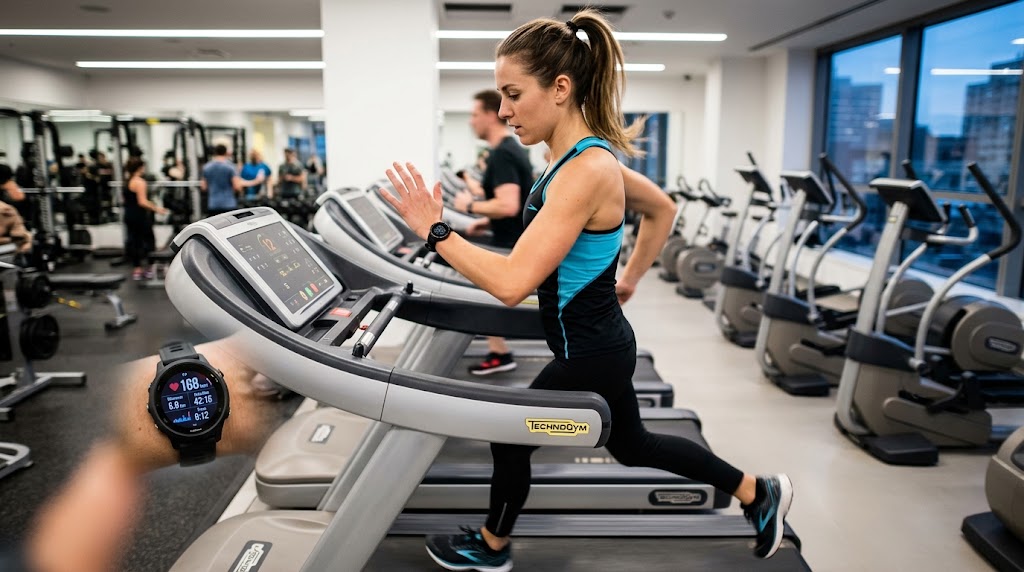
Most wrist-based trackers use heart-rate sensors, accelerometer data, and user profile metrics like age, weight, height, and biological sex. However, heart rate fluctuates due to stress, caffeine, high temperatures, dehydration, or poor sleep. As a result, elevated heart rate numbers do not always translate into higher calorie expenditure.
Gross vs. Net Calorie Discrepancies
Many smartwatches display gross calorie expenditure—which includes your baseline resting metabolic rate during that time block—rather than net calories burned exclusively from physical movement.
Additionally, steady-state movement like walking or jogging yields closer tracking accuracy. In contrast, heavy resistance training, high-intensity interval training (HIIT), and yoga often show significant tracking errors.
How to Decide How Many Exercise Calories to Eat Back
When determining whether you should I eat back exercise calories from my fitness tracker, tailor your strategy to your specific health target:
- Fat Loss Goal: Limit intake to 25% to 50% of logged workout calories only when experiencing intense hunger or performance drops.
- Weight Maintenance: Consuming around 75% of reported exercise calories helps prevent unintended weight loss during active phases.
- Muscle Hypertrophy or Athletic Training: Eating back 75% to 100% of exercise energy supports tissue recovery and explosive physical performance.
- Light Daily Movement: Short, low-intensity sessions like casual walks do not require extra food allowance, as baseline activity calculators cover them.
If you want to review your primary nutritional intake baseline, consult our step-by-step guide on how to calculate calorie deficit for fat loss to set realistic boundaries.
Should You Eat Back Exercise Calories When Trying to Lose Weight?
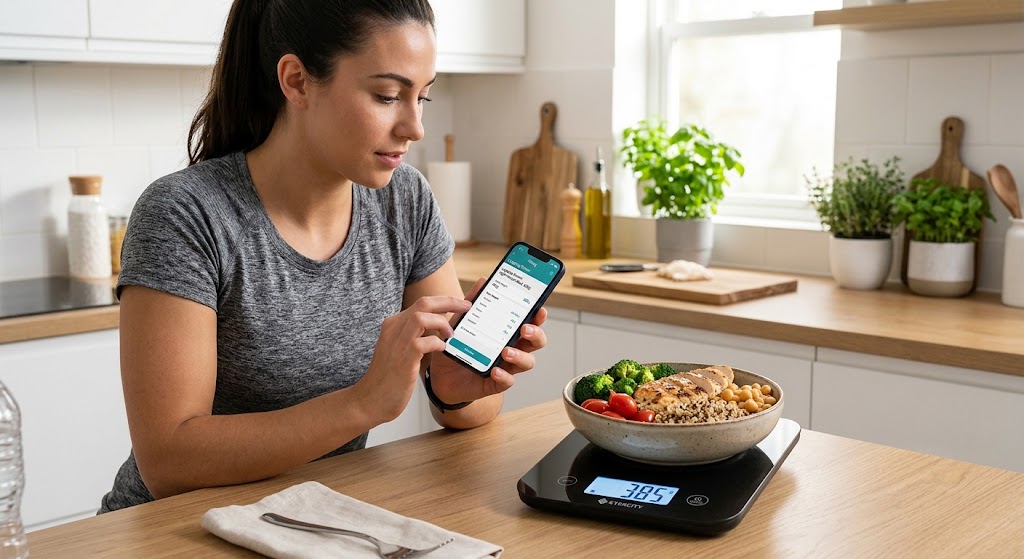
For most individuals aiming for fat loss, the safest approach is to treat fitness tracker calorie bonuses as a bonus margin rather than permission to eat extra food.
Standard online calculators already factor your general activity habits into daily targets. Adding extra meals for logged workouts creates duplicate entries. Furthermore, human metabolic compensation means burning 100 calories during exercise only increases net daily energy burn by roughly 70 calories, as the body conserves energy elsewhere later in the day.
Combine your exercise habits with structured dietary choices like high-protein meal options to remain full without relying on daily device allowances.
Who Should Actually Eat Back Exercise Calories?
Increasing daily food intake to match fitness trackers is generally reserved for two specific groups:
- Endurance Athletes: Competitors undergoing high-volume daily endurance training require replenishment to prevent severe performance drop-offs.
- Extreme Energy Output Days: Completing multi-hour hikes, long-distance runs, or manual labor shifts creates an extreme energy deficit that requires recovery fuel.
Common Mistakes When Using Fitness Tracker Calories
If your weight remains flat despite tracking, examine these frequent tracking missteps:
- Consuming All Reported Calories: Relying on wearable calorie displays leads to consistent overeating.
- Guesstimating Portion Sizes: Eyeballing dense foods like nuts, peanut butter, and grains creates massive intake miscalculations.
- Omitting Unmeasured Cooking Fats: Cooking oils, butter, and dressings add hidden calories across daily meals.
- Forgetting Liquid Calories: Coffee creamers, sodas, juices, and alcohol quickly consume your target deficit.
- Skipping Weekend Logs: Relaxing diet habits over weekends often erases five days of hard work.
- Ignoring Sleep and Stress Recovery: Sleeping less than 6 hours a night spikes cortisol, inducing water retention and slowing fat loss.
- Neglecting Strength Work: Pair your cardiovascular exercise with beginner weight training routines to preserve lean tissue while cutting fat.

Frequently Asked Questions
1. Should I eat back all the calories my fitness tracker says I burned?
No. Fitness wearables routinely overstate energy burn. For fat loss, eating back only 25% to 50% is a safer approach if you feel genuinely hungry.
2. How many exercise calories should I eat back for weight loss?
Most individuals aiming for fat loss achieve better consistency by keeping food intake stable rather than eating back exercise calories daily.
3. Are smartwatches accurate for strength training calorie burn?
No. Smartwatches measure heart rate trends, which do not accurately reflect the caloric demands or post-exercise oxygen consumption of weight lifting.
4. Why does my weight loss stall when I eat back exercise calories?
If you eat back exercise calories from your fitness tracker, overcounting errors in device algorithms can easily eliminate your planned calorie deficit.
5. Should I eat more on heavy workout days?
Only if you experience persistent fatigue, muscle soreness, or severe hunger. Otherwise, keeping daily calories consistent yields better progress.