
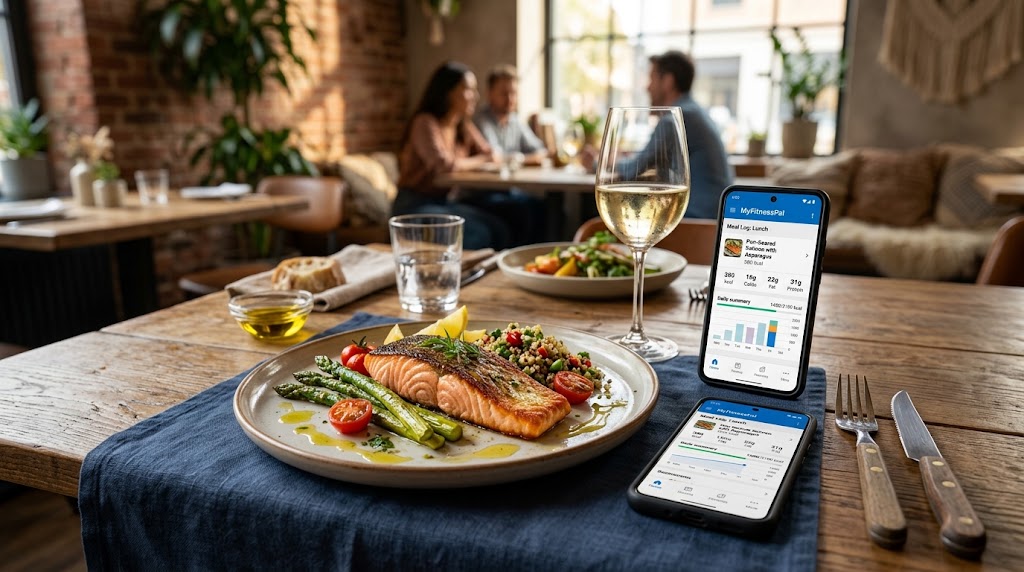
Tracking your daily intake at dining establishments can feel overwhelming when menus omit nutrition details. However, missing menu numbers do not have to disrupt your progress. In this guide, you will learn how to log restaurant meals when calories are not listed using simple, repeatable portion estimation strategies so you can stay consistent with your goals. Read on.
Quick Answer
- Deconstruct Your Meal: Break complex dishes down into core components including protein, complex carbs, vegetables, dressings, and cooking oils.
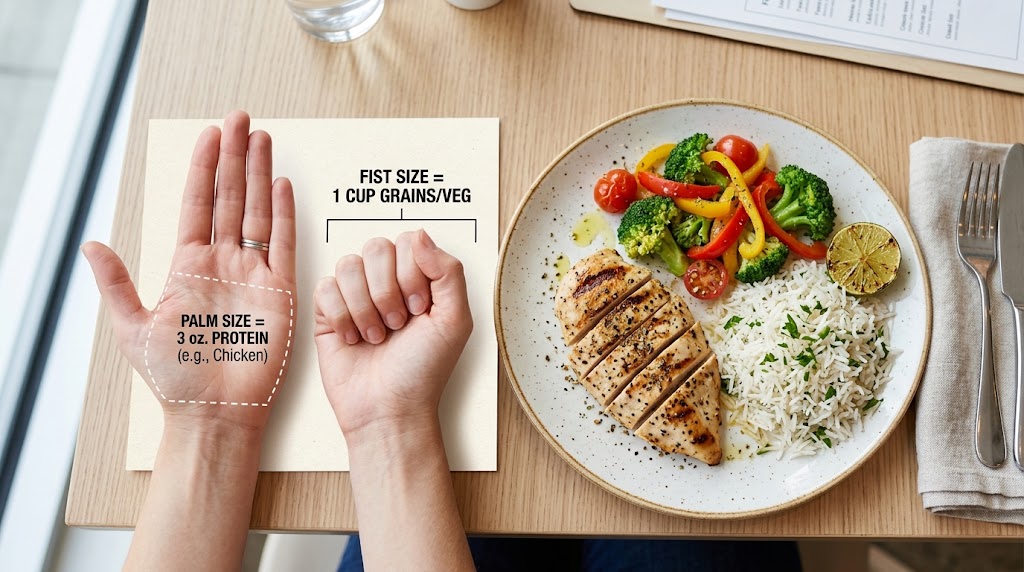
- Use Visual Portion Guides: Estimate serving sizes using simple hand measurements (palm for protein, fist for carbs, thumb for fats).
- Utilize Calorie Tracking Apps: Match unlisted items with similar verified entries from popular database apps or national chain standards.
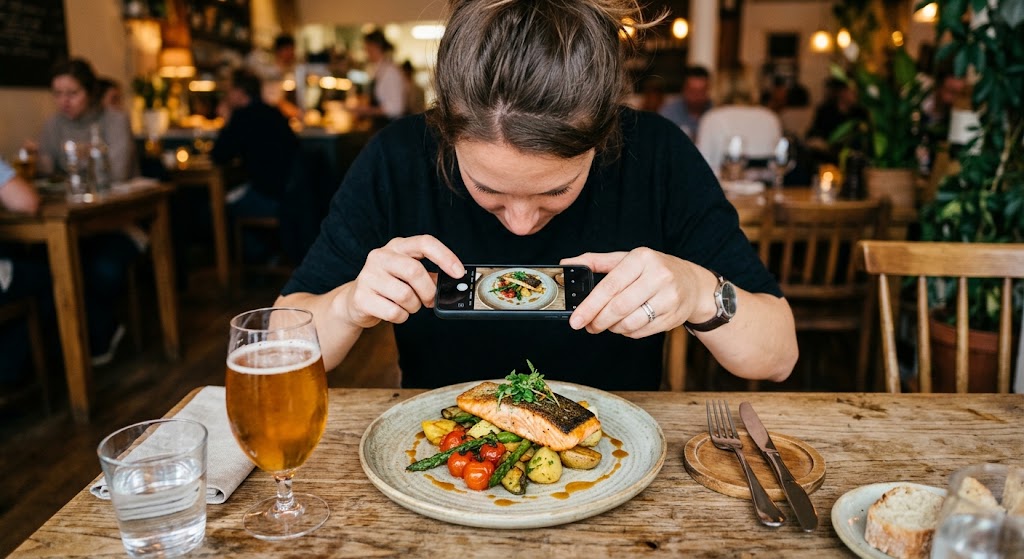
- Document Before Eating: Take a quick photo of your plate before dining to record your actual intake and shared portions accurately.
- Focus on Weekly Averages: Prioritize reasonable, consistent estimates rather than stressing over single-meal perfection.
Why Restaurant Meals Are Difficult to Track
Logging food when dining out presents distinct challenges compared to preparing meals at home. Knowing how to log restaurant meals when calories are not listed requires overcoming several common tracking hurdles:
- Unseen Cooking Fats: Kitchens frequently use generous amounts of butter, ghee, and cooking oil to enhance flavor, adding unrecorded caloric density.
- Unlisted Menu Data: Independent, local eateries rarely publish macronutrient breakdowns or calorie counts.
- Large Serving Portions: Restaurant portions often double or triple typical homemade serving sizes.
- Calorie-Dense Sauces: Heavy dressings, glazes, and creamy toppings significantly raise total intake without adding much volume.
- Complex Cooking Methods: It is difficult to determine whether foods were pan-seared, deep-fried, or basted in heavy fats.
How to Log Restaurant Meals When Calories Are Not Listed
When you sit down to dine out, follow this practical step-by-step breakdown to record your meal accurately:
1. Identify the Main Ingredients
Separate your plate into basic food groups. Identify the primary protein source, starches, vegetables, and any visible spreads or cheeses. Mixed options like fried rice, burritos, or creamy pasta require extra care because hidden fats easily mix into the dish.
2. Estimate Portion Sizes and Cooking Oils
Determine how much of the serving you actually consumed. If a dish appears glossy or rich, account for added butter or oil. As a rule of thumb, assume most restaurant entrees include 1 to 2 tablespoons of added cooking fat.
3. Add Up Individual Component Estimates
Instead of guessing a single total number for a complex dish, estimate each ingredient separately in your app. For example, a restaurant chicken rice bowl might break down into:
- Grilled Chicken (5-6 oz): 250 to 350 calories
- Cooked White Rice (1.5 cups): 300 to 400 calories
- Cooking Oils / Butter: 150 to 250 calories
- Specialty Sauce: 100 to 200 calories
- Sauteed Vegetables: 50 to 100 calories
This component method gives you a realistic total of roughly 850 to 1,300 calories, preventing you from choosing an artificially low database entry.
How to Improve the Accuracy of Your Restaurant Calorie Estimates
To master how to log restaurant meals when calories are not listed, apply these proven practical estimation techniques:
- Hand Measurement Rules: Compare rice or pasta to your closed fist (approx. 1 cup), meat portions to your palm (approx. 3-4 oz), and added fats to your thumb tip (approx. 1 tablespoon).
- Request Sauces on the Side: Ordering dressings and gravies separately allows you to control and measure exactly how much you consume.
- Account for Shared Dishes: When eating family-style or sharing appetizers, estimate only the portion that ends up on your individual plate.
- Snap a Quick Photo: Taking a top-down photo of your food gives you a visual reference to review and log accurately later.
- Buffer for Hidden Calories: Add a 15% to 20% safety margin to your final estimate to account for unseen kitchen oils and heavy seasoning.
How to Stay on Track With Your Calorie Goals When Eating Out
Dining out without published nutrition info does not need to stall your weight loss. Align your restaurant choices with your broader energy balance goals using these habits:
- Review Menus Ahead of Time: Check the menu online before arriving so you can select balanced options without making impulsive decisions.
- Search for Chain Equivalents: When logging an unlisted local meal, look up a similar dish from a major national restaurant chain in your tracking app.
- Prioritize Lean Protein and Fiber: Select baked, grilled, or roasted protein sources paired with steamed vegetables to keep satiety high.
- Pair with Your Weekly Target: If you exceed your daily target during a social meal, remember that progress depends on your weekly energy balance. Review our guide on how to calculate calorie deficit for fat loss to adjust your weekly plan smoothly.
- Combine Movement with Dining: Counterbalance larger dining-out meals by staying active throughout the day. Read our comparison on three 10 minute walks vs one 30 minute walk to boost your daily caloric burn.
Common Mistakes When Logging Unlisted Restaurant Meals
Avoid these frequent tracking errors when dining out without nutrition facts:
- Underestimating Cooking Fats: Forgetting to log the oils and butter used for pan-frying is the most common reason for inaccurate tracking.
- Selecting the Lowest Database Entry: Avoid picking the lowest calorie entry in your app simply because it looks favorable. Choose a middle-to-high estimate for accuracy.
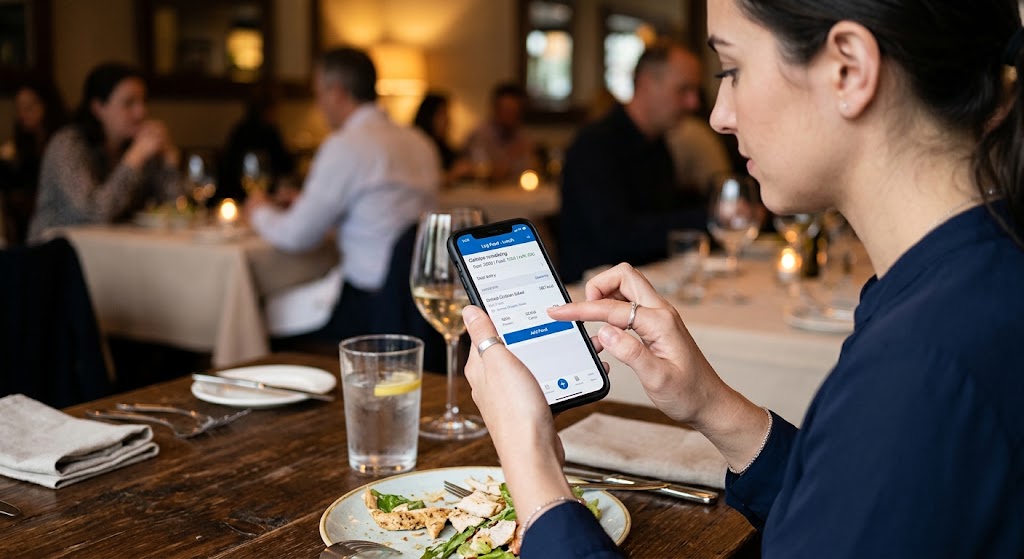
- Logging Before You Eat: If you leave food on your plate or take half home in a box, adjust your log to reflect what you actually ate.
- Skipping the Entry Completely: Guessing an approximate number is always better for long-term consistency than leaving a meal completely unrecorded.
- Ignoring Poor Sleep and Recovery: Sleeping less than 6 hours a night increases hunger hormones, making it harder to control portion sizes when dining out.
Frequently Asked Questions
1. How do I log restaurant meals when calories are not listed on the menu?
Deconstruct the meal into individual components such as protein, grains, vegetables, and cooking fats. Log each ingredient separately using visual hand guides or search for a similar chain restaurant entry in your tracking app.
2. Should I overestimate or underestimate restaurant calories?
It is generally better to slightly overestimate restaurant meals. Kitchens routinely use higher amounts of oil, butter, and heavy seasonings than you would use at home.
3. What is the best app for logging unlisted restaurant meals?
Popular apps like MyFitnessPal, Chronometer, and Lose It! offer extensive food databases featuring entries from major chains and verified generic ingredients, making estimation straightforward.
4. How accurate do my restaurant calorie estimates need to be?
Estimates do not need to be 100% exact. Maintaining consistent, realistic estimates across time keeps your weekly calorie average on track for steady fat loss.
5. Should I log my meal if I cannot calculate exact numbers?
Yes. Entering a reasonable estimate keeps your tracking habit intact and prevents unrecorded calories from disrupting your weekly target.