
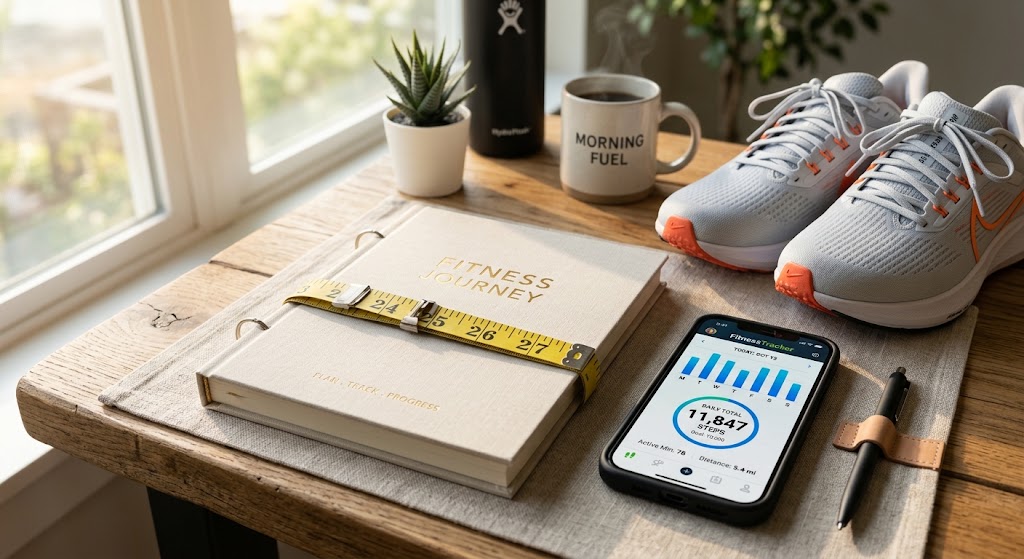
The number on the scale often stays fixed even when your walking routine is delivering significant health benefits. If you want to track walking progress beyond the weighing scale, relying solely on body weight can be deeply misleading. In this complete guide, you will learn how to evaluate duration, distance, daily consistency, body measurements, and non-scale victories over several weeks with complete confidence. Read on.
Quick Answer
- Monitor Core Metrics: Log your walking duration, covered distance, total steps, and weekly walking frequency.
- Record Daily Variables: Note energy levels, mood shifts, route incline, weather, and physical effort after each walk.
- Use Body Measurements: Track waist circumference, clothing fit, and visual progress photos to identify body recomposition that scale weight misses.
- Analyze Weekly Trends: Review weekly log averages rather than getting discouraged by minor daily performance fluctuations.
- Keep It Simple: Avoid over-complicating your tracking system, ignore comparisons with others, and adjust targets as your lifestyle demands.
Why You Should Track More Than Your Body Weight
To effectively track walking progress beyond the weighing scale, you must recognize that scale weight is a single, isolated measurement. It measures total mass—including bones, muscles, internal organs, fluid, and fat—without distinguishing between them.
Weight Fluctuation Factors
Your scale weight naturally shifts from day to day due to several non-fat factors:
- Fluid Retention: High sodium intake, intense workouts, and environmental heat cause temporary water storage.
- Muscle Gains: As you become active, your body stores glycogen and builds lean muscle tissue, which is denser than body fat.
- Hormonal Shifts: Natural hormonal cycles cause fluid shifts that temporarily alter body mass.
- Digestive Variables: Meal timing, hydration, and digestion speed constantly influence morning weight readings.
Because of these continuous fluctuations, relying strictly on scale weight can create unnecessary frustration and hide your real physical improvements.
How to Track Walking Progress Beyond the Weighing Scale
Building a multi-dimensional system allows you to track walking progress beyond the weighing scale accurately without getting hyper-focused on a single metric.
1. Track Distance and Duration
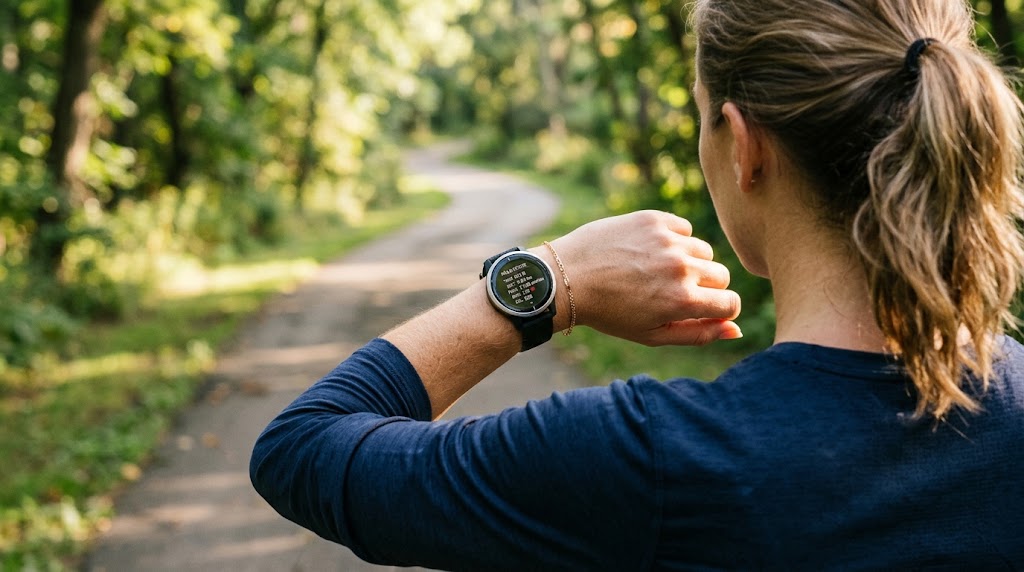
Record how many minutes or miles you walk using a fitness wearable, mobile app, or mapped trail. Focusing on duration—such as moving continuously for 20 to 45 minutes—helps beginners build consistency before worrying about walking pace.
2. Monitor Steps and Consistency
Use a pedometer or smartphone to track daily steps. Pay close attention to your weekly streak—the total consecutive days you successfully complete your planned walks.
3. Record Energy and Mental State
Rate your energy levels on a scale of 1 to 5 before and after walking. Note mental shifts like feeling refreshed, focused, or stress-free to highlight the psychological benefits of your routine.
4. Document Routes and Incline
Note environmental factors such as hills, stairs, trail conditions, and weather. Covering the same distance on a hilly route represents a massive step forward in physical stamina.
Track Body Measurements for Progress Beyond the Scale
Physical body recomposition often happens without significant scale movement. Combining localized measurements with visual checks gives you a clear picture of fat loss.
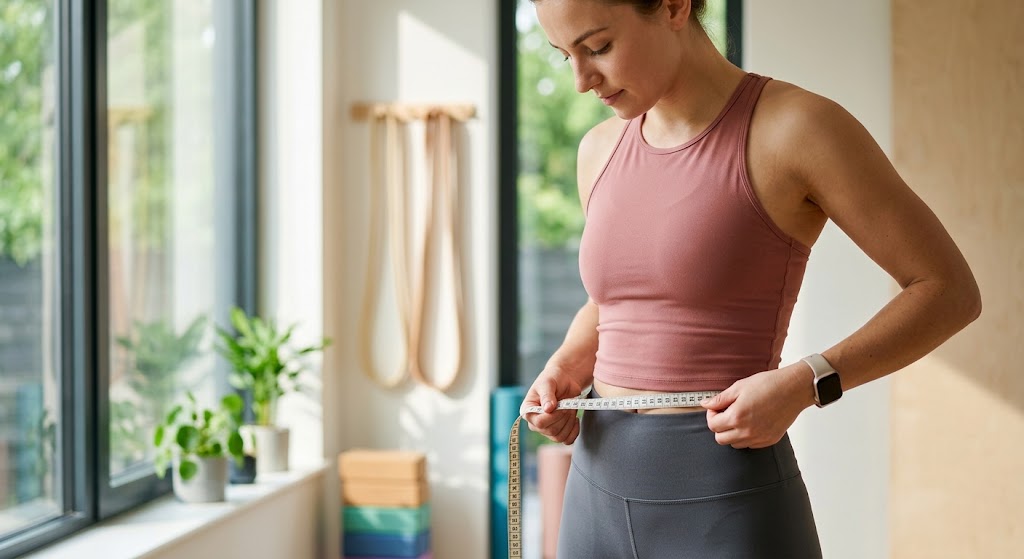
Measure Waist Circumference
Measure your waist at the narrowest point of your torso, typically just above the navel. A waist measurement under 94 cm (37 in) for men or 80 cm (31.5 in) for women supports long-term metabolic health. If your waist measurement drops while scale weight remains stable, you are gaining lean muscle while shedding fat.
Notice Clothing Fit
Pants, waistbands, and shirts fitting loosely provide immediate proof of fat loss. Muscle tissue takes up significantly less physical volume than fat tissue, changing your physical frame even when your total weight stays flat.
Take Regular Progress Photos
Take front, side, and back photos every 4 weeks under identical lighting, clothing, and time of day. Side-by-side photo comparisons reveal subtle muscle tone and posture changes that numbers fail to capture.
To ensure your daily movement aligns with your dietary targets, read our guide on how to calculate calorie deficit for fat loss for optimum energy management.
Create a Simple Walking Progress Tracker
To consistently track walking progress beyond the weighing scale, keep your logging method simple. Use a physical notebook, smartphone spreadsheet, or calendar to record five basic details after each session:
- Date: The day of your walk.
- Volume: Total walking minutes or steps completed.
- Route Details: Terrain, incline, or stair usage.
- Subjective Feeling: Post-walk energy level and mood.
- Quick Note: Weather, physical comfort, or notable observations.
Compare Weekly Trends Instead of Daily Results
Avoid judging your overall fitness on a single walk. Weather conditions, poor sleep, traffic signals, and daily fatigue can impact an individual session. Evaluate your progress by looking at 7-day and 4-week averages to see true upward trends in stamina and endurance.
Pairing your walking log with structured habits like three 10 minute walks vs one 30 minute walk can help you stay flexible on busy days without breaking your routine momentum.
Common Mistakes When Tracking Walking Progress
When you attempt to track walking progress beyond the weighing scale, avoid these frequent tracking mistakes:
- Focusing Only on Step Counts: Step numbers ignore walking speed, incline, heart rate, and physical effort.
- Over-Complicating the System: Tracking too many technical variables turns a relaxing habit into a stressful task.
- Ignoring Long-Term Trends: Panicking over a single slow walk obscures weeks of consistent, healthy movement.
- Chasing Missed Steps: Forcing extreme step counts after a rest day causes joint soreness and physical burnout.
- Ignoring Overall Nutrition: Movement must be supported by quality nutrition; explore high-protein meal options to support muscle recovery.
- Comparing Yourself to Others: Everyone starts with different baseline fitness levels, daily schedules, and recovery capabilities.
- Neglecting Sleep and Rest: Sleeping less than 6 hours a night spikes cortisol, increasing fluid retention and masking non-scale physical progress.

Frequently Asked Questions
1. What should I track besides steps when walking for fitness?
Focus on walking duration, covered distance, pace, weekly consistency, energy levels, mood changes, route elevation, and waist measurements.
2. How long does it take to notice non-scale progress from walking?
Mental clarity and energy improvements often happen within the first week, while noticeable changes in waist measurements and clothing fit typically appear after 3 to 6 weeks of continuous effort.
3. Is walking pace a reliable indicator of progress?
Yes. Covering your usual walking distance in less time with ease indicates improved cardiovascular fitness and muscle stamina.
4. Should I track total walking distance or daily steps?
Both metrics work well. Tracking daily steps monitors general lifestyle activity, while measuring distance tracks structured workout progress.
5. Why is my scale weight staying the same while my waist is shrinking?
This is a classic sign of body recomposition. You are shedding body fat while building or preserving muscle mass and holding temporary fluid, which changes your body shape without changing total scale weight.