

Walking can be a great exercise for losing fat. It is easy to maintain over the long term and doesn’t require an expensive gym membership. However, if you are serious about fat loss, you must combine your daily steps with a well-managed nutrition strategy. In this article, we will explain how long it takes to see visible fat loss results from walking and how to make your progress as efficient as possible. Read on.
Quick Answer
- First 2 to 3 Weeks: Expect noticeable improvements in energy, mood, sleep quality, and stamina.
- 4 to 8 Weeks: Visible body composition changes and weight loss usually start showing with consistent walking and proper diet.
- Recommended Goal: Aim for 200 to 300 minutes of brisk walking per week for optimal fat loss.
- The Core Requirement: Walking must be paired with a consistent calorie deficit to burn stored body fat.
How Long Does It Take to See Results?
It can be extremely motivating to know when to expect results from your daily efforts. Having realistic expectations helps you stay consistent for the long run.
Typical Progress Timeline
In the first 2 to 3 weeks, you will likely notice internal benefits: your mood will improve, daily stamina will increase, and energy levels will stabilize. However, seeing visible fat loss takes longer. Physical changes usually appear after 4 to 8 weeks of consistent walking combined with a proper eating plan.
Why Progress Varies from Person to Person
Some individuals notice visible changes faster than others due to key lifestyle factors:
- Weekly Consistency: Focusing on total weekly walking duration rather than stressing over an unbroken daily streak.
- Balanced Nutrition: Eating whole foods with sufficient protein and fiber while keeping calories controlled.
- Rest and Recovery: Prioritizing 7 to 9 hours of quality sleep to support fat metabolism and lower stress hormones.
What Determines How Quickly Walking Burns Fat?
Several factors beyond step counts influence how fast your body burns fat during a walking routine.
The Role of a Calorie Deficit
The single most crucial factor in fat loss is a calorie deficit—consuming fewer calories than your body burns daily. Walking increases your overall energy expenditure, but it cannot override an overconsumption of calories. Research highlights that walking while maintaining a modest caloric deficit yields significantly better fat reduction than diet or exercise alone.
Walking Duration, Speed, and Frequency
According to physical activity guidelines supported by the American College of Sports Medicine (ACSM), adults need 150 to 250 minutes of moderate exercise per week for weight management. This equals roughly 30 to 50 minutes of brisk walking 5 days a week.
Body Weight and Metabolism
- Body Weight: Individuals carrying more weight naturally burn more calories per step because their body expends more energy to move.
- Metabolic Rate: Muscle tissue burns more calories than fat tissue, even at rest. Pairing walking with simple bodyweight resistance training workouts helps preserve muscle mass and keep your metabolic rate high.
Data published by Harvard Health demonstrates that walking at a brisk pace burns significantly more calories as body weight increases.
How to Walk for Faster Fat Loss Results
To maximize fat burning from your daily walks, consider these practical techniques:
Aim for the Right Pace
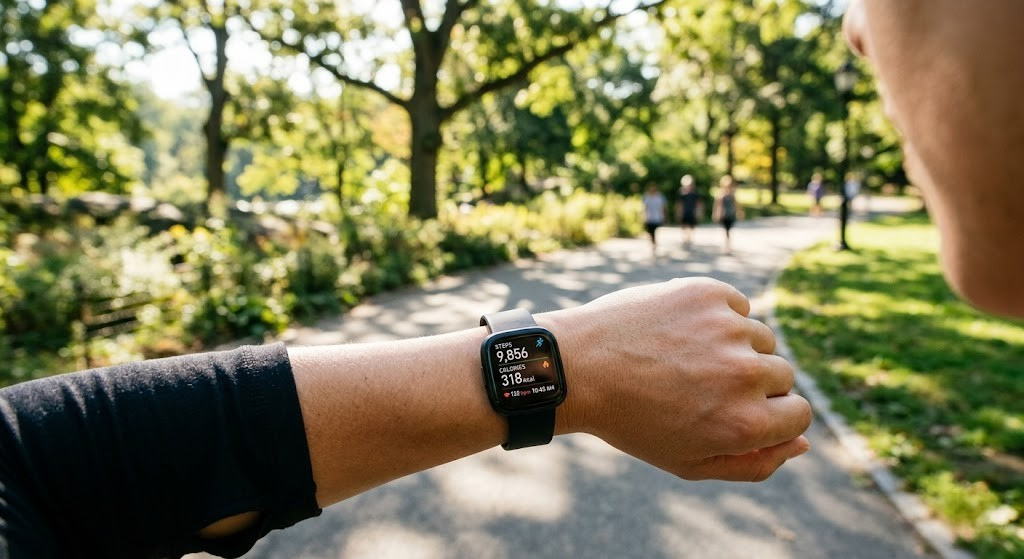
Aim for a brisk walking speed of around 3 to 4 miles per hour. A simple way to check your pace is the “talk test”: if you can speak in full sentences but cannot comfortably sing, you are walking at a fat-burning intensity.
Increase Weekly Volume Gradually
While 150 minutes per week supports general health, increasing your total volume to 200–300 minutes per week provides better weight loss outcomes. Focus on reaching a target weekly step total rather than forcing intense daily workouts when fatigued.
Pair Walking with Healthy Nutrition
Physical activity can naturally boost appetite. Ensure you do not accidentally eat back the calories burned during walks. Support your recovery by preparing high-protein meals on a budget to stay satiated and control hunger pangs.
Signs That Walking Is Working Even Before Visible Fat Loss
Why the Scale Can Be Misleading
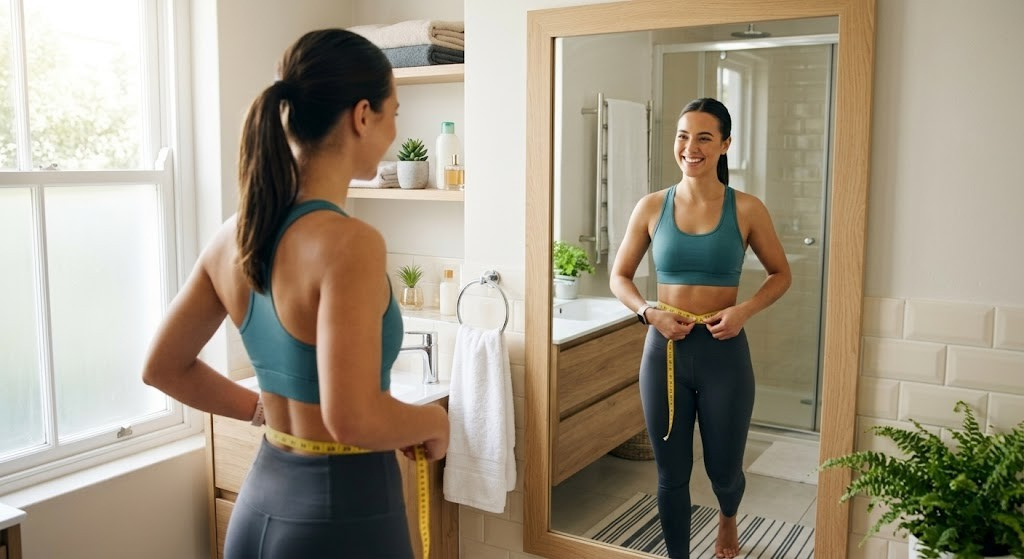
The scale measures total weight, not fat loss specifically. Through body recomposition, you can lose body fat while retaining lean muscle or holding transient water weight, causing scale weight to stay flat even as your body gets leaner.
Non-Scale Victories
- Your clothing feels noticeably looser around your waistline and hips.
- You experience sustained physical energy throughout the day.
- You can walk faster and cover longer distances with less effort.
- You enjoy deeper sleep and establish better bedtime habits that support metabolism.
Common Mistakes That Slow Fat Loss from Walking
- Overtraining: Pushing too hard without rest days increases stress hormones like cortisol, which can cause fluid retention and fatigue.
- Poor Posture: Slouching shifts your center of gravity and prevents core engagement. According to posture guidance from Mayo Clinic, keeping your head up, neck relaxed, and back straight improves movement efficiency.
- Overstride: Taking artificially long strides limits thigh and glute activation while increasing strain on knee joints.
- Inappropriate Footwear: Wearing unsupportive shoes disrupts weight distribution across your feet and can lead to joint discomfort.
- Dehydration: Inadequate hydration drops blood volume and cellular efficiency, slowing energy output during walks.
- Inadequate Protein Intake: Skimping on dietary protein makes muscle recovery harder and reduces overall satiety.
Conclusion
Walking is a highly sustainable, low-impact strategy for fat loss, but visible transformation requires patience and consistency. Expect internal benefits within 2 to 3 weeks and noticeable physical changes between weeks 4 and 8. By maintaining a sensible calorie deficit, walking regularly, and focusing on quality sleep, you can achieve long-lasting fat loss results.
Frequently Asked Questions
Is it better to walk indoors or outdoors for fat loss?
Both options are effective. Outdoor walking offers varied terrain and fresh air, while treadmills offer speed control and convenience. The best choice is whichever environment you enjoy and can stick with consistently.
Should I walk every day to lose fat?
Walking daily is generally safe because it is low impact, but taking 1 or 2 rest or lighter days per week helps prevent mental burnout and supports joint recovery.
Does walking after meals help with fat loss?
Walking for 10 to 15 minutes after meals improves post-meal digestion and helps smooth out blood sugar spikes. While not a direct shortcut to fat loss, it contributes positively to overall metabolic health.
What is the best time of day to walk for fat loss?
There is no single best time. Morning, afternoon, and evening walks all yield fat loss benefits as long as your overall calorie balance and daily movement goals are met.
Can walking help prevent weight regain after losing fat?
Yes. Maintaining a regular walking habit helps sustain total daily energy expenditure, supporting long-term weight maintenance after reaching your fat loss goals.