

Struggling to build muscle while trying to lose fat can feel overwhelming. However, combining resistance training, moderate cardio, and proper nutrition allows you to achieve both goals simultaneously. In this article, we will explain how to build muscle and lose fat at the same time through body recomposition. Read on.
Quick Answer
- Body Recomposition: Beginners can gain lean muscle while reducing body fat through structured strength training and smart nutrition.
- Prioritize Protein: Consume high-protein foods alongside balanced carbohydrates and healthy fats to support muscle recovery.
- Progressive Overload: Start with manageable weights or bodyweight movements, gradually increasing intensity, sets, and repetitions over time.
- Track True Progress: Monitor strength gains, clothing fit, and waist measurements instead of relying solely on the bathroom scale.
- Consistency Over Speed: Body recomposition takes weeks to months; frequent diet or workout changes slow down overall progress.
How Do Beginners Build Muscle and Lose Fat at the Same Time?
Achieving body recomposition is especially achievable for beginners. Your body responds quickly to new training stimuli, making it possible to coordinate muscle growth and fat loss simultaneously.
Utilize Progressive Resistance Training
Strength training provides the essential mechanical tension required for muscle hypertrophy. Aim for workout sessions lasting 30 to 60 minutes, focusing on compound movements performed for 6 to 12 repetitions per set. Studies on muscle preservation published by Harvard Health emphasize that regular resistance exercise protects lean tissue while in a weight-loss phase.
Consider Intermittent Fasting
Popular strategies like the 16/8 intermittent fasting protocol involve an 8-hour eating window followed by a 16-hour fast. During the fasting period, zero-calorie beverages like water, black coffee, and unsweetened tea help manage hunger while keeping insulin levels low.
Time Your Workouts Strategically
Training near the end of a fasting window can optimize fat oxidation. Eating complex carbohydrates before high-intensity workouts helps supply glycogen to sustain lifting performance and prevent premature fatigue.
Maintain Long-Term Consistency
Reshaping your physique takes time. Consistent application of training principles alongside a managed energy intake drives long-term metabolic adaptations.
Eating to Build Muscle and Lose Fat
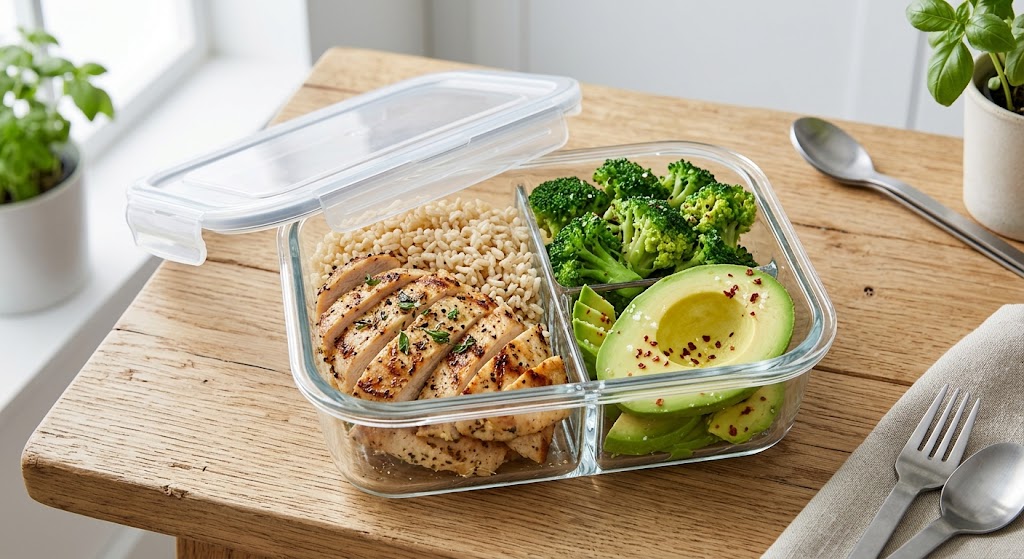
Nutrition forms the backbone of successful body recomposition. To build muscle, your body requires adequate amino acids; to lose fat, it requires a controlled caloric balance. Managing macronutrients helps harmonize these processes.
Essential Macronutrients
- Protein: Essential for repairing muscle fibers and preventing muscle breakdown during a calorie deficit strategy. Include lean meats, eggs, dairy, fish, legumes, and tofu. Research from the National Institutes of Health (NIH) supports higher protein intakes for maintaining lean mass during fat loss.
- Carbohydrates: Vegetables, fruits, and whole grains provide energy to fuel intense strength training sessions and replenish depleted muscle glycogen.
- Healthy Fats: Seeds, nuts, avocados, and olive oil support hormone production, joint health, and overall nutrient absorption.
Planning nutrient-dense meals helps you avoid processed foods containing added sugars and unhealthy fats. Preparing simple high-protein meal options ensures you meet daily nutrition targets consistently.
How Much Should You Train to Lose Fat and Build Muscle?

Structure your routine around both strength training and cardiovascular exercise to optimize health and calorie burn.
The Centers for Disease Control and Prevention (CDC) recommends getting at least 150 minutes of moderate-intensity aerobic activity per week, along with muscle-strengthening activities for all major muscle groups on two or more days.
Training Principles for Beginners
- Start Small: If time is limited, begin with 10 to 15 minute sessions two to three times per week to build habit consistency.
- Use Compound Movements: Exercises like squats, push-ups, and lunges recruit multiple muscle groups at once, boosting caloric expenditure and functional strength. Try basic beginner home workouts to build a baseline.
- Proper Warm-Up: Spend 5 to 10 minutes performing light cardio or dynamic stretches to increase blood flow and prepare joints for lifting.
- Adequate Rest: Allow 24 to 48 hours of recovery between training the same muscle groups. Active recovery like walking supports repair and helps keep daily stress hormones like cortisol low.
How Do You Know If You Are Building Muscle and Losing Fat?
Because muscle tissue is denser than body fat, the bathroom scale alone often fails to show true progress during body recomposition. Here are reliable ways to evaluate your transformation:
- Increased Gym Performance: Lifting heavier weights, performing extra reps, or recovering faster between sets indicates muscle development.
- Improved Physical Definition: Noticing firmer muscles, enhanced muscle tone, or reduced softness in photos confirms body composition changes.
- Shifting Body Measurements: A shrinking waist measurement alongside stable or growing chest, arm, and thigh circumferences proves fat loss and muscle gain.
- Enhanced Daily Energy: Experiencing less fatigue during workouts signals improved aerobic capacity and metabolic conditioning.
- Better Sleep Quality: Consistent exercise promotes deeper sleep. Establishing bedtime habits to support metabolism further enhances nighttime muscle recovery.
Common Beginner Mistakes That Can Slow Body Recomposition
- Relying Solely on Scale Weight: Gaining muscle while losing fat keeps total weight stable, which can mislead you into thinking progress has stalled.
- Extreme Calorie Restrictions: Cutting calories too aggressively causes muscle breakdown, sluggish metabolism, and hormonal fatigue.
- Skipping Progressive Overload: Lifting the exact same weights without increasing difficulty fails to trigger new muscle growth.
- Inadequate Daily Protein: Insufficient protein intake prevents optimal muscle repair and accelerates lean tissue loss.
- Excessive Cardiovascular Exercise: Performing hours of high-intensity cardio hinders recovery, burns muscle tissue, and reduces strength gains.
- Neglecting Sleep and Recovery: Poor sleep elevates stress hormones, causing fluid retention and impaired muscle synthesis.
- Program Hopping: Changing diets or workout routines every few weeks prevents your body from adapting and yielding measurable results.
Frequently Asked Questions
Can beginners really change their body composition at the same time?
Yes. Beginners experience significant neural and muscular adaptations, allowing them to build muscle and lose body fat simultaneously when combining proper nutrition with strength training.
How long does body recomposition take?
Progress timelines vary based on genetics, consistency, and starting point. Initial strength improvements occur within 2 to 4 weeks, while visible physical changes typically appear within 8 to 12 weeks.
Should beginners focus more on weight loss or muscle gain?
Focus on overall body recomposition rather than choosing just one goal. Prioritize strength gains in the gym and adequate protein intake while maintaining a modest calorie deficit.
Can I build muscle without going to a gym?
Yes. Bodyweight movements such as push-ups, squats, pull-ups, and lunges provide effective resistance to stimulate muscle growth at home.
What should I do if I cannot train for 30 minutes?
Short workouts are still effective. Completing 10 to 15 minutes of focused resistance exercises two to three times a week helps establish consistency and yields physical benefits over time.