

Not seeing the scale move after two weeks of a calorie deficit can be extremely frustrating. However, a stall on the scale does not automatically mean you aren’t losing body fat. In this guide, we will break down why you might be in a calorie deficit but not losing weight after 2 weeks and what actionable steps you can take to get results moving again. Read on.
Quick Answer
- Two weeks is often too short a timeframe to see a clear fat loss trend due to natural water weight fluctuations.
- Uncounted calories from cooking oils, condiments, beverages, and weekend relaxed eating can easily erase a weekly deficit.
- Initial strength training or new workout routines cause temporary muscle water retention, hiding fat loss on the scale.
- Focus on non-scale indicators like looser clothing, waist measurements, improved sleep quality, and progress photos.
- Recalculate your daily intake, accurately track food using a kitchen scale, and stay consistent for 3 to 6 weeks before making drastic diet changes.
Reasons You May Be in a Calorie Deficit but Not Losing Weight
If you have been sticking to your diet for a couple of weeks without seeing the scale drop, several physiological and behavioral factors may be at play.
1. Water Weight Masking Fat Loss
When you start a new fitness program or increase exercise intensity, your muscles store extra glycogen and experience microscopic inflammation. According to research from Harvard Health, muscle repair and water retention can temporarily add 2 to 5 pounds of fluid, completely masking fat loss on the scale.
2. Inaccurate Calorie Tracking
Tracking errors are among the most common reasons weight loss stalls. Eyeballing portion sizes often leads to underestimating food intake. Cooking oils, salad dressings, sauces, and small unlogged snacks can add hundreds of uncounted calories each day.
3. Weekend Calorie Creep
Relaxing your diet on Friday, Saturday, and Sunday can undo the deficit created during the weekdays. Consuming higher-calorie meals or alcohol on weekends brings your total weekly intake back up to your maintenance baseline.
4. Hidden Liquid Calories
Specialty coffees, smoothies, fruit juices, and alcoholic beverages contribute significant calories without providing fullness. Alcohol also provides 7 calories per gram and temporarily slows down your body’s fat oxidation process.
5. Metabolic Adaptation and Reduced NEAT
As you eat less, your body naturally tries to conserve energy by subtly reducing Non-Exercise Activity Thermogenesis (NEAT)—such as fidgeting, posture maintenance, and spontaneous walking. Studies indexed by the National Institutes of Health (NIH) show that adaptive thermogenesis can reduce your overall daily energy burn as your body adjusts to lower food intake.
6. Overestimating Fitness Calories
Fitness trackers and gym machines frequently overestimate the calories burned during cardio or weightlifting. Eating back these estimated calories can easily offset your intended calorie deficit.
How to Tell If Your Calorie Deficit Is Actually Working
The bathroom scale only measures total body mass—it cannot differentiate between fat, muscle, water, and digesting food. Look for these positive indicators that your body composition is changing:
- Looser Fitting Clothes: Your pants or shirts feel roomier around your waist, hips, and chest.
- Decreased Waist Circumference: Measuring your waist with a tape measure reveals physical shrinkage, pointing to visceral fat loss.
- Sustained Physical Energy: You experience stable daily energy levels and better performance during beginner resistance workouts.
- Improved Sleep Quality: Establishing bedtime habits that boost metabolism leads to deeper, more restorative rest.
- Progress Photos: Side-by-side photos taken every 2 to 4 weeks in identical lighting show visible muscle tone and shape changes.
What Should You Do If You Are Not Losing Weight After 2 Weeks?
If your weight remains stuck after two weeks, avoid making drastic cuts to your diet immediately. Instead, apply these practical adjustments:
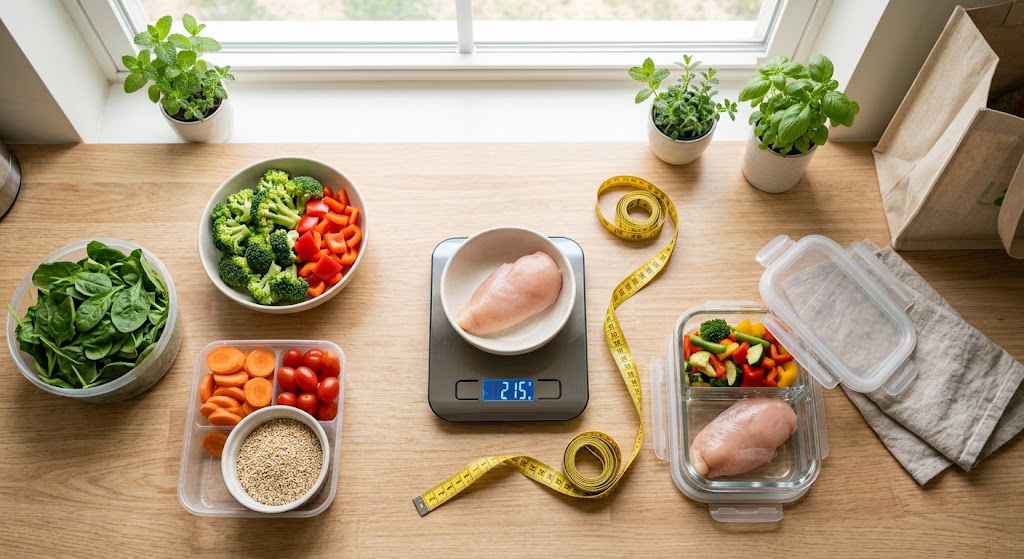
Re-Track Your Nutrition with Precision
Weigh your food raw on a digital kitchen scale for a few days instead of relying on measuring cups or estimates. Be mindful to log cooking oils, spreads, salad dressings, and liquid beverages accurately.
Recalculate Your Energy Needs
As you lose weight, your total daily energy requirement changes. Recalculate your maintenance calories based on your current weight and physical activity, then set a moderate 15% to 20% deficit.
Optimize Protein and Physical Movement
Focus on high-satiety nutrition by preparing high-protein meals on a budget. Combine protein intake with daily light movement—such as taking 7,000 to 10,000 steps—to keep your baseline metabolic burn high without spiking stress hormones.
Prioritize Rest and Recovery
Ensure you get 7 to 9 hours of quality sleep nightly to keep cortisol levels balanced. Elevated stress hormones encourage water retention and increase appetite. Give any diet or routine adjustments at least 3 to 6 weeks before expecting major scale changes.
When Should You Be Concerned About a Weight-Loss Plateau?
A true weight-loss plateau occurs when your weight remains unchanged for 4 or more consecutive weeks despite strict compliance with diet and exercise routines. According to guidance from Mayo Clinic, plateaus affect up to 85% of individuals on long-term weight management journeys.
If a plateau lasts longer than a month despite accurate calorie tracking, consult a medical professional or registered dietitian. Seek medical evaluation promptly if your stall is accompanied by hair loss, chronic fatigue, cold intolerance, or irregular menstrual cycles, as these may signal underlying thyroid or hormonal imbalances.
Frequently Asked Questions
Is two weeks enough to know whether my calorie deficit is working?
Two weeks is usually too short due to short-term water shifts, digestion variables, and muscle fluid retention. Track your average weight over 4 to 6 weeks to evaluate a true trend.
What should I check first if my weight has not changed?
Start by auditing your food tracking precision. Unlogged cooking oils, sauces, snacks, and weekend indulgences are the most frequent causes of an accidental calorie surplus.
Can progress show up without a lower scale number?
Yes. Body recomposition allows you to build muscle and drop body fat simultaneously, resulting in a leaner physique and smaller waist measurements without immediate scale drops.
How long should I give new changes before checking my progress?
Give any new adjustment to calories, exercise, or step goals 3 to 6 weeks before deciding whether it is working.
What should I do if the plateau continues despite my efforts?
If a weight stall persists past 4 to 6 weeks despite accurate food weighing, consult a doctor or healthcare expert to check metabolic blood markers and thyroid health.