
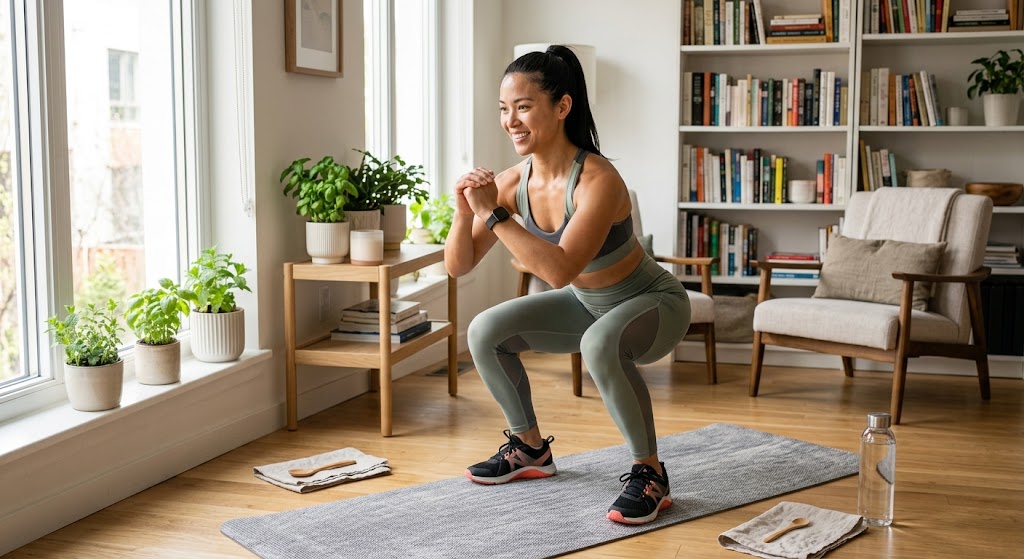
Trying to lose belly fat at home can feel overwhelming when you are not sure which exercises to choose. A balanced mix of cardio, resistance training, and nutrition is key to seeing real results. In this guide, we will break down the best exercises to burn belly fat at home without needing an expensive gym membership. Read on.
Quick Answer
- Full-body movements like mountain climbers, squat jumps, and burpees engage large muscle groups and raise your heart rate for maximum calorie burn.
- A consistent calorie deficit reduces overall body fat, while targeted exercises like crunches strengthen the underlying core muscles.
- Structure your routine with 2 to 3 days of cardio and 2 to 3 days of bodyweight strength training, keeping 2 rest days per week.
- Focus on quality workouts lasting 30 to 60 minutes rather than grueling 90-minute sessions.
- Manage daily nutrition carefully, eat sufficient protein, and aim for 7 to 8 hours of quality sleep each night.
What Are the Best Home Exercises for Losing Belly Fat?
These dynamic movements engage multiple muscle groups simultaneously, elevating your metabolism and burning calories without any equipment:
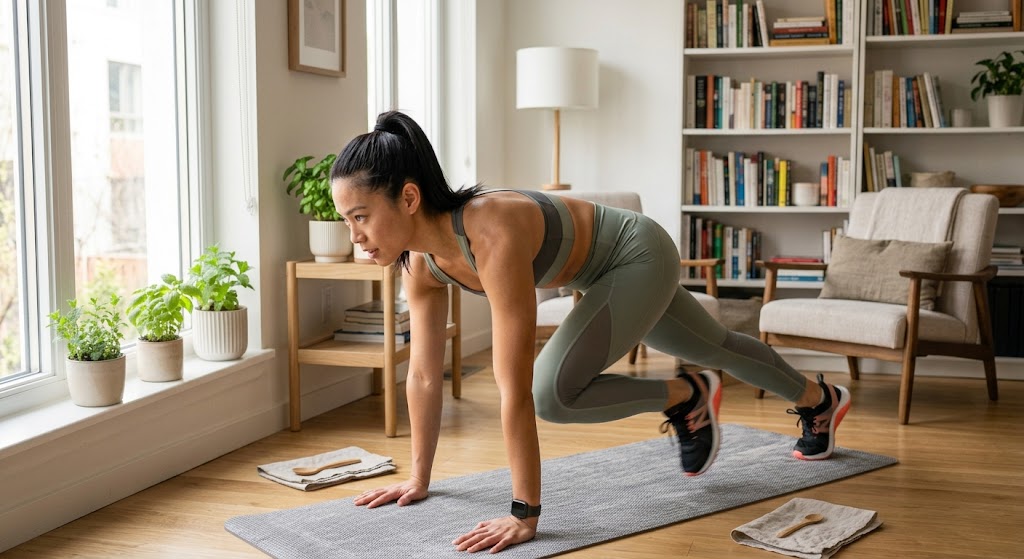
- Mountain Climbers: Start in a strong plank position and rapidly alternate driving your knees toward your chest for 30 to 45 seconds.
- Squat Jumps: Lower into a full squat, explode upward into a jump, land softly with bent knees, and repeat for 15 to 30 seconds.
- Burpees: Drop from a standing position into a plank, perform a push-up, jump your feet back toward your hands, and leap upward. Repeat for 30 to 60 seconds.
- Jumping Lunges: Begin in a lunge position, jump upward, and switch your leg positions in mid-air. Continue for 30 seconds.
- High Knees: Run in place while lifting your knees as high as possible toward your chest for 30 to 60 seconds.
Can You Lose Belly Fat With Home Workouts?
It is common to want a slimmer midsection, but targeted fat loss (spot reduction) is a myth. Crunches and sit-ups strengthen your abdominal muscles, but they do not selectively burn the fat sitting on top of those muscles.
How Fat Loss Actually Works
To reduce belly fat, you must lower your total body fat percentage. When you maintain a calorie deficit, your body mobilizes stored fatty acids from across your entire body to use as energy during daily activities and workouts.
Which Home Exercises Help the Most?
Aerobic activity plays a vital role in increasing daily energy expenditure. Global guidelines from the World Health Organization (WHO) recommend at least 150 minutes of moderate activity or 75 minutes of vigorous exercise weekly for optimal metabolic health.
- Moderate-Intensity Activity: Aim for 150 minutes weekly through activities like brisk home workouts, brisk walking, or heavy housework.
- Vigorous Activity: Aim for 75 minutes weekly using high-intensity bodyweight circuits, jump rope, or energetic dancing.
How Often Should You Exercise at Home to Lose Belly Fat?
Consistency is far more valuable than temporary intensity. Working out every day can lead to fatigue, while training once a week is insufficient for visible changes.
A sustainable schedule includes 2 to 3 days of cardio and 2 to 3 days of resistance exercise, paired with 2 rest days for muscle recovery. Keep these principles in mind:
- Avoid Extreme Workouts: Do not jump from complete inactivity to daily intense sessions. Gradually increase your workload.
- Prioritize Quality over Length: Avoid grueling sessions lasting longer than 90 minutes. Shorter, focused 30-to-45-minute workouts yield better long-term compliance.
- Track Non-Scale Victories: Combine your exercise with healthy habits like bedtime routines that support metabolism to keep your momentum going.
What Other Habits Support Belly Fat Loss?
Understanding belly fat requires knowing the difference between subcutaneous fat (located under the skin) and visceral fat (located deep within the abdominal cavity around internal organs). Research from Harvard Health highlights that combining resistance training with aerobic exercise is the most effective approach for reducing harmful visceral fat.
- Prioritize Bodyweight Resistance: Push-ups, squats, and planks build lean muscle mass, which raises your baseline metabolic rate.
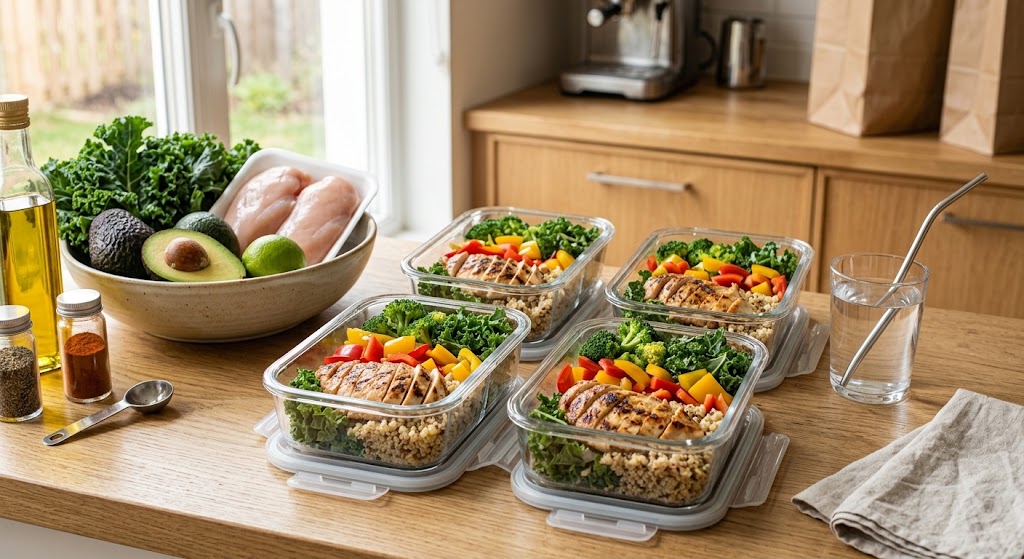
- Increase Protein Intake: Target roughly 30 grams of protein per main meal using lean sources such as poultry, fish, eggs, yogurt, or legumes. Pair this with high-protein meal prep strategies to simplify your diet.
- Manage Caloric Intake: Use practical portion control strategies backed by Mayo Clinic to maintain a slight calorie deficit without sacrificing essential nutrients.
- Prioritize Sleep: Aim for 7 to 8 hours of uninterrupted sleep nightly to keep stress hormones like cortisol balanced.
Common Mistakes That Slow Progress
- Drinking Sugary Beverages: Fruit juices and sodas carry high amounts of liquid calories. Stick to water, black coffee, or unsweetened tea.
- Extreme Calorie Starvation: Skipping meals often leads to intense evening hunger pangs and binge eating.
- Neglecting Protein: Inadequate protein leads to muscle loss alongside fat loss, slowing down your metabolism over time.
- Ignoring Daily Stress and Sleep: Elevated stress levels and chronic sleep deprivation make losing abdominal fat significantly harder.
Conclusion
You do not need an expensive gym membership to achieve a lean, healthy midsection. By combining full-body exercises, regular aerobic activity, a nutrient-dense high-protein diet, and adequate recovery, you can effectively burn belly fat right from the comfort of your home.
Frequently Asked Questions
Can home workouts be enough if you do not have gym equipment?
Yes. Bodyweight movements like push-ups, squats, lunges, and burpees provide sufficient resistance and cardiovascular intensity to stimulate fat loss when combined with proper nutrition.
What should you do if your progress slows or stops?
Re-evaluate your total daily calories, check your workout intensity, and ensure you are getting enough sleep. A temporary plateau often requires minor adjustments to your nutrition or step counts.
Is it better to exercise for longer or more often?
Shorter, more frequent sessions (30 to 45 minutes) performed 4 to 5 days a week are generally more effective and easier to sustain than long, exhausting sessions performed infrequently.
How can you make a home workout easier to follow long-term?
Choose exercises you enjoy, set a fixed workout time each day, track your weekly progress, and focus on gradual improvements rather than drastic immediate changes.
What should you do if a workout makes you too out of breath?
Pause, take a break, and allow your heart rate to settle before continuing. Always include a proper 5-minute warm-up before exercise and a cool-down stretch afterward.