

Struggling to shed weight even though you are trying hard to maintain a calorie deficit? Small errors in how you measure food, track calories, or evaluate progress can easily derail your fat loss goals. In this guide, we break down common calorie deficit mistakes preventing weight loss and what practical steps you can take to get back on track. Read on.
Quick Answer
- Avoid Aggressive Cuts: Extreme calorie drops slow down your metabolism and decrease daily movement; aim for a moderate, sustainable daily deficit instead.
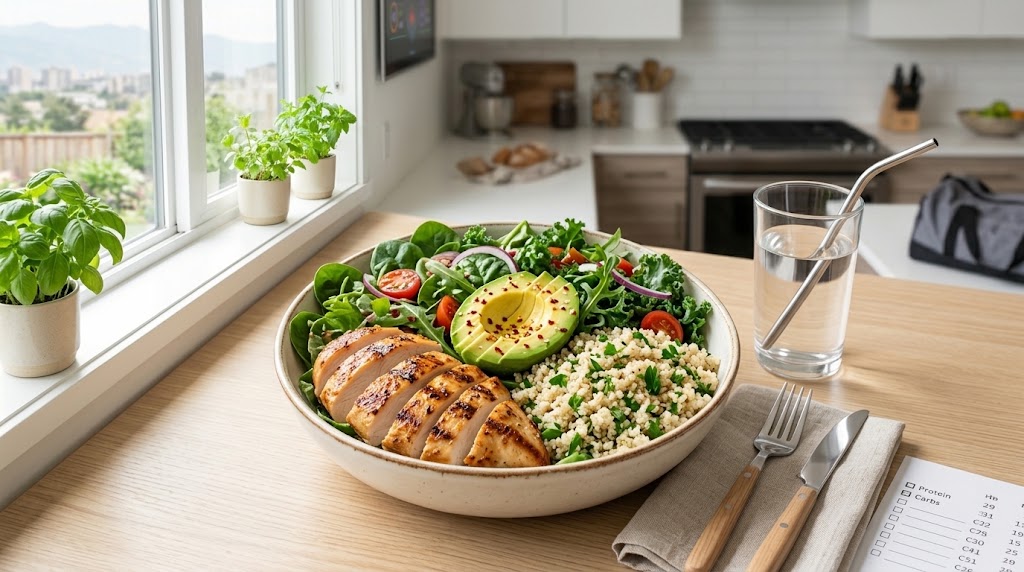
- Prioritize Protein & Fiber: Eating adequate lean protein and high-fiber foods manages hunger pangs and prevents overeating.
- Audit Hidden Intake: Weigh food in grams for 7 to 10 days to capture uncounted cooking oils, salad dressings, beverages, and casual bites.
- Account for Weekends: Relaxing your eating rules over the weekend can quickly erase five days of consistent caloric restriction.
- Track Weekly Averages: Focus on weekly weight trends rather than daily scale fluctuations, and do not eat back all calories burned according to fitness trackers.
What Is a Calorie Deficit?
A calorie deficit occurs when you consume fewer calories than your body expends for daily energy. You can achieve this by reducing food intake, increasing daily physical activity, or combining both approaches.
Before making radical diet changes, it helps to track your current baseline intake to understand where you stand. A standard daily deficit of 500 calories generally supports a healthy loss of about one pound per week. Alternatively, creating a smaller 200 to 300 calorie dietary cut paired with increased physical activity yields more sustainable, long-term results.
According to clinical insights from the Cleveland Clinic, setting a target intake requires calculating your Total Daily Energy Expenditure (TDEE) using equations like the Mifflin-Saint Jeor formula, which factors in age, height, weight, sex, and activity level. Cutting calories too aggressively can trigger side effects such as chronic fatigue, headaches, constipation, and irritability.
Keep in mind that initial weight loss during week one often represents water loss from cutting processed sodium and refined carbohydrates, with true fat loss taking hold over the subsequent weeks.
Common Calorie Deficit Mistakes Preventing Weight Loss
Struggling to drop body fat despite your best efforts often traces back to structural tracking errors rather than a lack of willpower:
- Your Calorie Deficit Is Too Steep: Cutting calories too hard causes your body to unconsciously reduce Non-Exercise Activity Thermogenesis (NEAT)—such as fidgeting or general walking. Aim for a gradual loss of 0.5% to 1% of body weight per week.
- Inadequate Protein Intake: Protein is essential for preserving lean mass and keeping satiety high. As noted by Harvard Health, dietary protein stimulates fullness hormones far better than carbohydrates or fats. Target 0.7 to 1.0 gram of protein per pound of body weight.
- Eating Hyper-Palatable Foods: Highly processed foods are designed to be easy to overeat. Applying an 80/20 approach—where 80% of your food comes from whole, high-volume foods—helps manage appetite.
- Assuming Healthy Means Low Calorie: Nutrient-rich options like nut butter, chia seeds, homemade granola, and green smoothies are healthy, but they remain calorie-dense and can easily pause fat loss.
- Undercounting Daily Energy Intake: Cooking oils, dipping sauces, creamer, and taste-testing meals while cooking often go unlogged. Furthermore, fitness gadgets frequently overestimate total calories burned during exercise.
- Weekend Calories Undoing Weekday Progress: High-calorie meals, snacks, and alcohol over Saturday and Sunday can eliminate a 5-day caloric deficit, leaving your weekly average at maintenance level.
How to Fix Common Calorie Deficit Mistakes
If your weight loss has stalled, implement these research-backed solutions to correct your deficit:
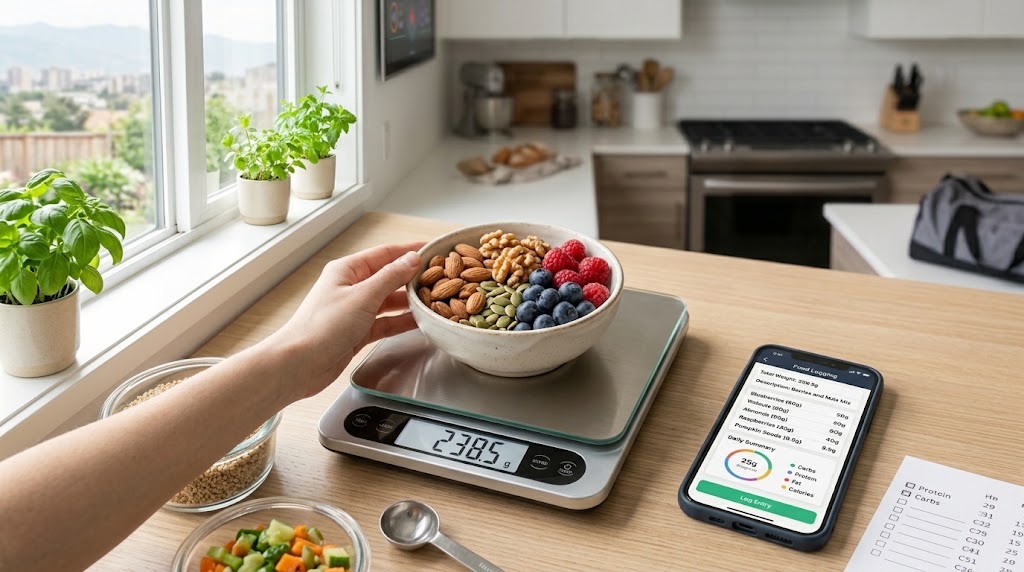
- Weigh Food in Grams: Use a digital food scale to record everything you consume for 7 to 10 days, including liquid calories, cooking oils, and condiments.
- Shift to Weekly Averages: Weigh yourself daily, but calculate the weekly average to evaluate true progress without panicking over natural fluid shifts.
- Increase Non-Exercise Movement: Aim for 7,000 to 10,000 steps per day by incorporating brisk walking for fat loss, and avoid eating back calories displayed on smartwatch trackers.
- Optimize Fiber and Protein: Aim for 1.6 to 2.2 grams of protein per kilogram of body weight alongside 25 to 35 grams of daily fiber to maintain fullness.
- Pre-Log Meals: Plan and record your daily meals in advance to avoid impulsive food choices when hunger strikes. Pair this with high-protein meal prep strategies.
- Maintain Resistance Training: Lift weights 2 to 4 times a week to send a signal to your body to retain muscle mass while shedding fat.
- Adjust After 2 Weeks: Set your deficit at 10% to 20% below your maintenance level. If progress remains stalled after two weeks of strict compliance, lower daily intake by 100 to 150 calories or add 1,500 daily steps.
When to Seek Advice
If you have accurately weighed your food in grams, maintained a consistent routine for several consecutive weeks, prioritized quality sleep, and still experience zero changes in body measurements or weight, consult a physician or registered dietitian to check for underlying hormonal or metabolic conditions.
Frequently Asked Questions
1. How long should you test a change before deciding if it works?
Stick with a specific dietary or training adjustment for at least two weeks before assessing whether it is positively impacting your progress.
2. Should you focus on daily weight or weekly weight?
Focus on weekly weight averages. Single-day weight changes reflect fluid balance, digestion, and sodium levels rather than actual body fat gain or loss.
3. What should you do if you go off track during a meal?
Resume your standard meal plan immediately at the very next meal. Avoid skipping meals or starving yourself the next day, as this fuels an unhealthy restrict-and-binge cycle.
4. How can you make calorie tracking more accurate?
Weigh all solid foods in grams using a digital food scale and measure liquids accurately. Log cooking fats, sauces, dressings, and minor snacks consistently.
5. When should you speak with a clinician?
Speak with a medical clinician or registered dietitian if you maintain a verified calorie deficit with high consistency for over 3 to 4 weeks without any measurable progress.