
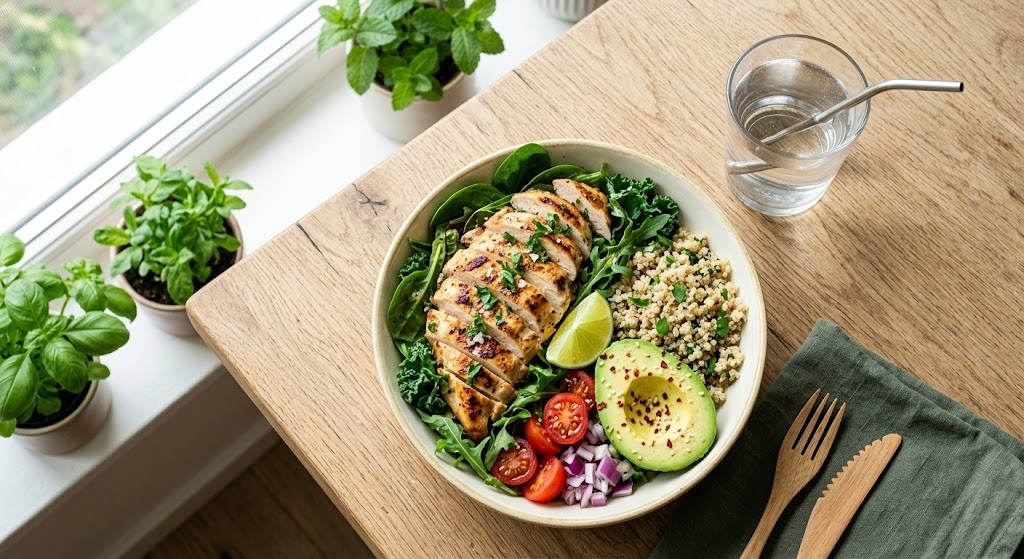
Constantly feeling hungry while trying to lose weight is one of the biggest hurdles on any fitness journey. However, managing your appetite isn’t about willpower alone—it comes down to strategy. By making calculated adjustments to what and how you eat, you can maintain a lean diet and remain satisfied throughout the day. In this article, we will explain how to stay in a calorie deficit without feeling hungry. Read on.
Quick Answer
- Eat Nutrient-Dense Foods: Prioritize whole, low-calorie-density foods that fill your stomach without overloading your daily calorie budget.
- Prioritize Protein: High-protein meals suppress hunger hormones like ghrelin and preserve metabolism-boosting muscle mass.
- Increase Soluble Fiber: Vegetables, fruits, legumes, and seeds slow digestion and stabilize blood sugar to curb intense cravings.
- Practice Mindful Habits: Stay hydrated, chew slowly, use smaller plates, and listen closely to your body’s internal fullness cues.
- Manage Sleep and Stress: Getting 7 to 9 hours of sleep lowers cortisol and keeps appetite hormones balanced.
- Avoid Aggressive Deficits: Cutting calories too low triggers compensatory hunger spikes that lead to overeating.
Why Hunger Happens in a Calorie Deficit
When you consume fewer calories than your body burns, experiencing mild hunger is a natural biological response. However, enduring agonizing hunger all day is neither sustainable nor necessary. Severe hunger typically indicates that your energy intake dropped too sharply, prompting your survival mechanisms to trigger urgent food-seeking behavior.
What a Calorie Deficit Means
Think of calories as cellular fuel. Your body requires energy to perform vital functions such as breathing, circulation, brain function, and digestion—even when resting. When you eat food, your body breaks it down into usable energy. Excess fuel is saved for future demand, primarily stored as body fat.
A calorie deficit occurs when your total daily energy expenditure exceeds your calorie intake. Under these conditions, your body mobilizes stored fat to cover the energy gap. Achieving an energy deficit is essential for fat loss, whether you achieve it through nutrition, regular exercise, or fat loss strategies without the gym.
Common Reasons You Feel Hungry While Dieting
When you reduce daily food volume, your endocrine system initiates specific biochemical adaptations:
- Your stomach produces more ghrelin (the hormone that stimulates hunger) while lowering leptin (the hormone that signals fullness).
- Research summarized by Harvard Health demonstrates that calorie restriction heightens neural sensitivity to the sight and smell of hyper-palatable foods.
- Your stomach empties faster when meals lack sufficient structural bulk like protein, fiber, and water.
Prioritize Protein to Stay Full Longer
How Protein Reduces Hunger
Protein has the highest satiety index of all three macronutrients. It acts directly on the hypothalamus to regulate hunger signaling, boosting fullness hormones while significantly blunting ghrelin output. Additionally, eating sufficient protein protects lean tissue during weight loss, keeping your resting metabolic rate elevated.
Clinical reviews from the National Institutes of Health (NIH) show that higher protein diets consistently enhance appetite control and improve body recomposition outcomes.
How Much Protein Should You Eat?
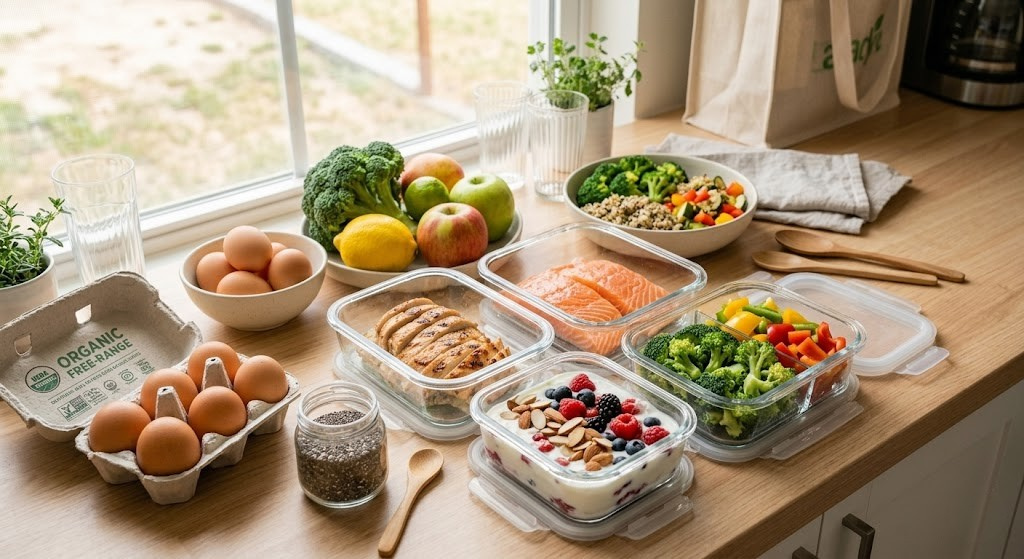
While the standard Recommended Dietary Allowance (RDA) for basic health sits at 0.8 grams per kilogram of body weight, individuals in a calorie deficit benefit from higher intakes. Aiming for 1.2 to 2.0 grams of protein per kilogram (or roughly 0.7 to 1.0 grams per pound) of target body weight helps maximize fullness. Preparing high-protein meal prep options makes hitting these daily targets convenient and budget-friendly.
Eat More Fiber to Control Hunger Naturally
Dietary fiber adds physical bulk to your meals without adding extra calories. It plays a foundational role in controlling appetite through several mechanical and hormonal pathways:
- Stomach Distension: Soluble fiber absorbs water and expands, stretching gastric walls to signal your brain that the stomach is full.
- Slower Digestion: Viscous fiber forms a gel-like substance in your gut that slows down stomach emptying. Guidelines from the Mayo Clinic highlight that high-fiber nutrition prevents drastic blood sugar spikes and crashes.
- Short-Chain Fatty Acid Production: As gut bacteria ferment fiber, they release short-chain fatty acids that trigger satiety hormones like GLP-1 and PYY.
Smart Eating Habits That Reduce Hunger
Combining nutritional quality with behavioral strategies creates a powerful defense against dieting fatigue:
- Build High-Volume Meals: Load half your plate with non-starchy vegetables like broccoli, spinach, and cucumbers to maximize physical portion size.
- Choose Solid Foods Over Liquids: Liquid calories pass through the digestive tract quickly without triggering strong satiety signals. Stick to solid whole foods that require chewing.
- Manage Thirst Signals: Mild dehydration can easily be mistaken for hunger pangs. Sip water throughout the day or enjoy a glass before meals.
- Practice Slow, Mindful Eating: It takes approximately 20 minutes for satiety signals to reach your brain. Chewing thoroughly and putting your utensils down between bites prevents accidental overeating.
- Use Visual Cues: Serve meals on smaller plates to create visual satisfaction with appropriate portion sizes.
- Optimize Recovery and Sleep: Poor sleep elevates ghrelin and drives intense sugar cravings. Establishing healthy bedtime habits for metabolism ensures your hormones remain balanced.
- Incorporate Daily Movement: Low-intensity physical activity like brisk walking helps manage appetite while burning extra energy.
Common Mistakes to Avoid When Trying to Stay in a Calorie Deficit
Steer clear of these common pitfalls that often lead to excessive hunger and weight loss plateaus:
- Slashing Calories Too Aggressively: Dropping your intake too far below maintenance forces severe metabolic slowdown and uncontrollable hunger spikes. Aim for a manageable deficit of 300 to 500 calories per day.
- Relying Solely on Scale Weight: Scale fluctuations happen due to fluid changes and sodium intake. Focus on body composition changes and how your clothing fits.
- Ignoring Food Quality for Convenience: Ultra-processed “diet” foods often lack fiber and protein, leaving you ravenous short after eating. Stick primarily to single-ingredient whole foods.
- Neglecting Strength Training: Omitting resistance workouts can cause muscle loss, reducing your daily calorie burn. Incorporate full-body home workouts to preserve lean mass.
- Forgetting to Track Intakes: Eyeballing food portions often leads to underestimating calorie intake. Tracking meals ensures accuracy without requiring extreme restriction.
- Drinking Calories: Fruit juices, sweetened coffees, and sodas pack heavy calorie counts without blunting your appetite.

Final Thoughts
Maintaining a calorie deficit does not mean you have to struggle with relentless hunger. By prioritizing protein-dense meals, eating high-fiber foods, drinking adequate water, and getting restful sleep, you can comfortably lose fat while staying satisfied. Consistency and patience will yield sustainable, long-term success.
Frequently Asked Questions
Can chewing gum help reduce hunger while dieting?
Sugar-free chewing gum can offer short-term distraction from boredom cravings, but it does not replace nutritional fullness provided by fiber and protein-dense meals.
Is it normal to feel hungry before bedtime in a calorie deficit?
Mild hunger before bed can happen if dinner is eaten early. However, severe bedtime hunger usually indicates that your daily calorie deficit is too steep or that your evening meal lacked sufficient protein and fiber.
Do artificial sweeteners make you hungrier?
Scientific evidence is mixed. While zero-calorie sweeteners generally do not directly raise blood sugar or intake levels, if you find they stimulate sweet cravings, consider swapping them for water or herbal tea.
Should you eat if you’re hungry even after reaching your calorie goal?
If you experience persistent, physical hunger despite hitting your daily calorie target, evaluate meal quality. If hunger remains intense, increasing your calorie allowance slightly may be necessary for long-term adherence.
Does meal timing matter for controlling hunger?
Meal timing depends entirely on personal preference. Whether you prefer 3 larger meals or 4 to 5 smaller snacks, choose the structure that best manages your energy and keeps hunger minimal throughout the day.