
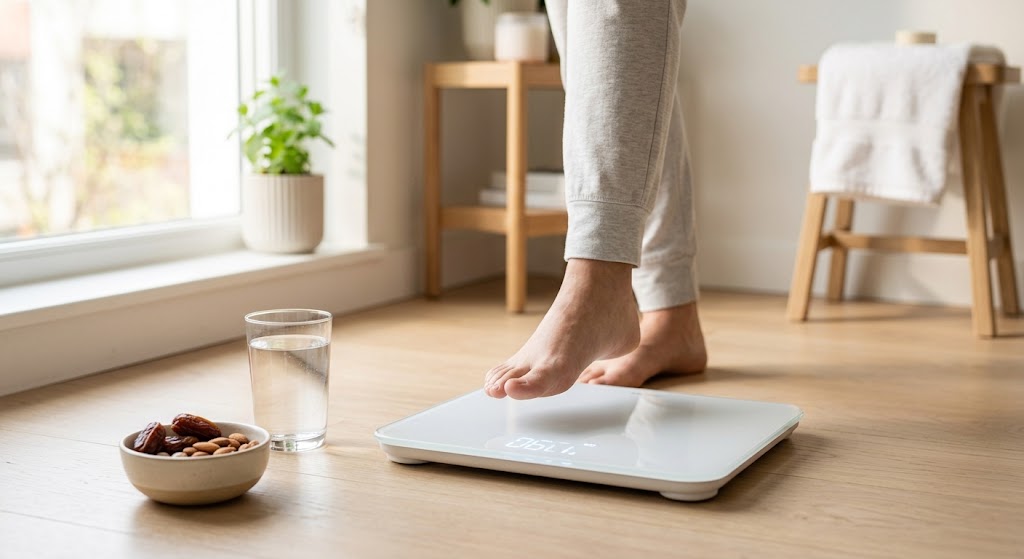
If you have been eating right and exercising consistently, seeing the scale go up overnight can be frustrating. However, a sudden weight spike on the scale does not mean your hard work went in vain. It is often caused by temporary fluid fluctuations. In this article, we will explain the difference between water retention vs fat gain on the scale so you can track your progress with confidence. Read on.
Quick Answer
- Water Retention: Extra fluid stored temporarily in your body’s tissues that can fluctuate overnight.
- Fat Gain: Excess energy stored as adipose tissue that accumulates gradually over weeks or months.
- Overnight Spikes: Fluid increases are usually caused by high sodium, extra carbohydrates, hormonal shifts, muscle inflammation, or digestion issues.
- True Fat Gain: Requires a sustained caloric surplus over a consistent period of time.
- Visual Differences: Puffed hands, feet, or sudden abdominal bloating signal water retention rather than immediate fat gain.
- Action Step: Focus on waist measurements, food logging, and consistent hydration instead of reacting to daily scale fluctuations.
What Is Water Retention?
Water weight refers to extra fluid held inside your body’s tissues. It is completely normal and healthy for fluid levels to fluctuate daily. Your body requires fluid balance to maintain chemical concentration and cell function. According to medical insights from Cleveland Clinic, temporary fluid retention occurs naturally, though severe or persistent swelling may indicate underlying health issues that require medical evaluation.
What Is Fat Gain?
Your body stores excess energy for later use in the form of adipose tissue (body fat). Fat accumulation happens gradually over time when you consistently consume more energy than you expend. There are two primary types of body fat:
- Subcutaneous Fat: Fat stored directly beneath the skin layer.
- Visceral Fat: Deep fat stored around your internal organs. Research shared by Harvard Health notes that carrying excessive visceral fat poses higher metabolic and cardiovascular risks.
Why Water Weight Can Change Overnight
Gaining a single pound of body fat requires consuming a significant caloric surplus over time. However, your scale can easily jump 2 to 4 pounds overnight due to fluid shifts. Common triggers for rapid water retention include:
- High Sodium Intake: Salt regulates fluid balance. Consuming high-sodium meals prompts your body to retain water to keep sodium concentration balanced.
- Carbohydrate Consumption: Carbs are stored in muscles and the liver as glycogen. Every gram of stored glycogen binds with approximately 3 to 4 grams of water.
- Hormonal Shifts: Natural fluctuations in hormones like estrogen and progesterone can cause noticeable fluid retention throughout the month.
- Exercise-Induced Inflammation: Starting a new workout routine or lifting heavier weights causes micro-tears in muscle tissue. The body temporarily holds fluid around the muscles to assist healing.
- Digestive Transit: Slow digestion or constipation means undigested food and water remain in the GI tract, adding temporary weight to the scale.
Why Fat Gain Happens More Gradually
In order for your body to synthesize new adipose tissue, it must remain in a sustained calorie surplus for days or weeks. A single heavy meal or treat day may cause an immediate scale jump due to sodium and glycogen, but it cannot instantly translate into multiple pounds of new body fat.
How Can You Tell If You Gained Water Weight or Fat?
You can evaluate whether your weight increase is fluid or fat by observing a few key indicators:
Speed of Weight Changes
The timeline is your clearest indicator. A multi-pound jump overnight or over 24 to 48 hours is almost guaranteed to be fluid, gastrointestinal contents, or glycogen storage. True fat gain develops slowly over consistent weeks of overeating.
Visible Signs and Physical Feel
If your rings feel tight, your face appears puffy, or your stomach feels tight and bloated, you are likely experiencing water retention. Conversely, if your waistline, hips, and thighs gradually expand over several weeks and your clothing feels tighter in those specific areas, it signals true fat accumulation.
Tracking Body Composition Accurately
To accurately monitor changes in body fat versus water, consider advanced body composition assessments supported by Mayo Clinic, such as:
- Skinfold Calipers: Measures subcutaneous fat thickness at specific sites across the body.
- DEXA Scans: Uses low-dose X-ray technology to differentiate between bone mass, lean tissue, and fat tissue.
- Bioelectrical Impedance Analysis (BIA): Measures tissue resistance using mild electrical currents to estimate fat percentage.
- Body Composition Scales: Uses impedance sensors to provide estimates of muscle mass, fat percentage, and visceral fat trends.
What Should You Do If the Scale Suddenly Goes Up?
Instead of panicking when the scale spikes unexpectedly, follow these sensible tracking strategies:
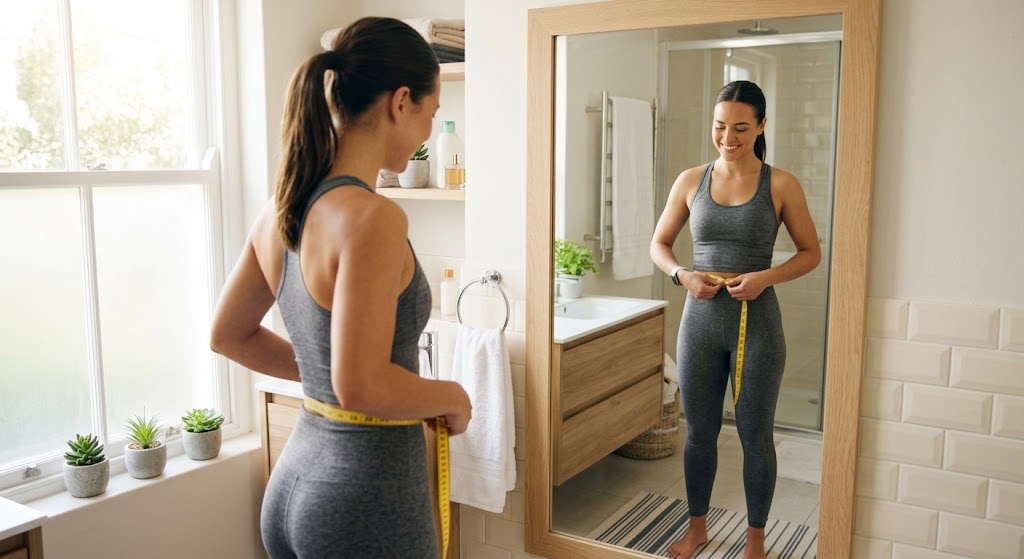
- Use a Tape Measure: Measure your waist, hips, chest, and thighs every one or two weeks. A stable or shrinking waistline proves you are retaining muscle or losing fat, even if the scale fluctuates.
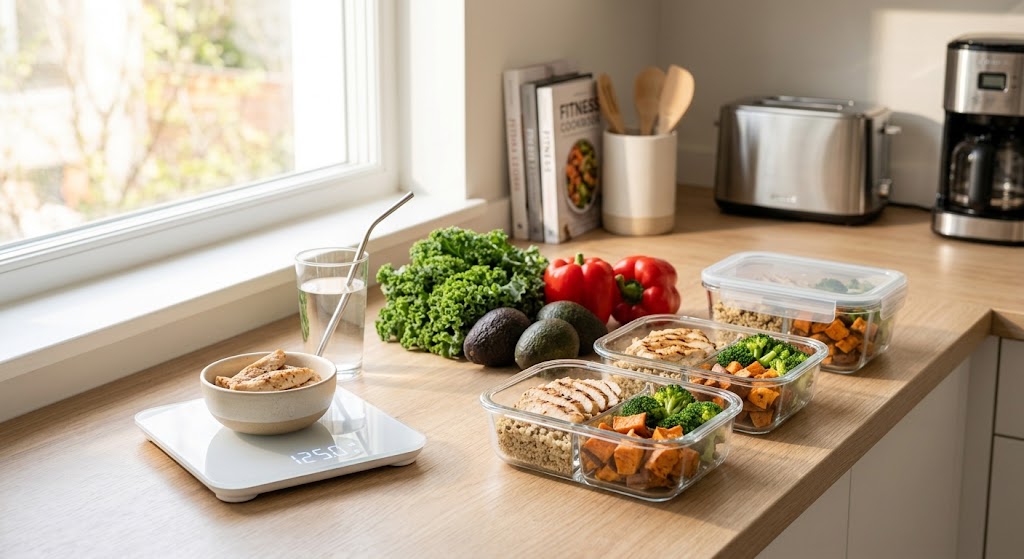
- Log Food Accurately: Weigh your meals using a digital food scale rather than guessing portions. Remember to account for liquid calories, cooking oils, and condiments to avoid an accidental calorie surplus.
- Prioritize Dietary Protein: Eating a high-protein diet supports muscle retention during a calorie deficit strategy and keeps you satiated, preventing overeating. You can prepare quick high-protein meal options to stay on track.
- Optimize Rest and Sleep: Lack of sleep increases stress hormones like cortisol, which elevates water retention and appetite. Establish bedtime habits to support metabolism and ensure 7 to 9 hours of quality sleep nightly.
Water Retention vs. Fat Gain: Key Differences
| Factor | Water Retention | Fat Gain |
|---|---|---|
| Definition | Extra fluid stored in body tissues | Excess energy stored as adipose tissue |
| Rate of Appearance | Occurs within hours or overnight | Develops gradually over weeks |
| Primary Causes | High sodium, elevated carbs, stress, muscle repairs | Consistently eating more calories than burned |
| Physical Appearance | Puffiness in hands, feet, face, and abdomen | Gradual expansion around waist, hips, and thighs |
| Duration | Temporary; resolves as fluid balance returns | Persistent until a calorie deficit is maintained |
| Assessment Methods | Tracking sodium, carbs, and daily scale trends | Skinfold calipers, DEXA scans, or waist measurements |
Frequently Asked Questions
Can drinking more water make you gain weight?
Yes. Drinking fluids temporarily adds physical weight to your body while it is in your stomach and bloodstream. However, this does not add body fat. Once your kidneys process and eliminate the fluid, your weight normalizes.
How long does water weight usually last?
Temporary water retention from high-sodium meals or workout soreness usually resolves within 2 to 4 days. Retention linked to hormonal cycles or medical factors may last longer.
Should I stop drinking water if my weight suddenly increases?
No. Restricting water intake causes dehydration and can actually prompt your body to hold onto fluid more aggressively. Maintaining healthy hydration helps your body flush out excess sodium and balance fluids naturally.
Can dehydration cause the scale to change?
Yes. Losing body water through sweating, heat exposure, or illness causes a temporary drop on the scale. This reflects loss of fluid volume rather than meaningful body fat loss.
Can one cheat meal cause fat gain?
A single high-calorie meal will not store pounds of new body fat instantly. While it will cause an immediate scale jump due to extra sodium, glycogen, and food volume, true fat gain requires a sustained calorie surplus over time.